







BCDA scraps SCTEX sale to lock in long-term revenue
Published Feb 9, 2026 12:00 am
|
Updated Feb 9, 2026 06:03 am


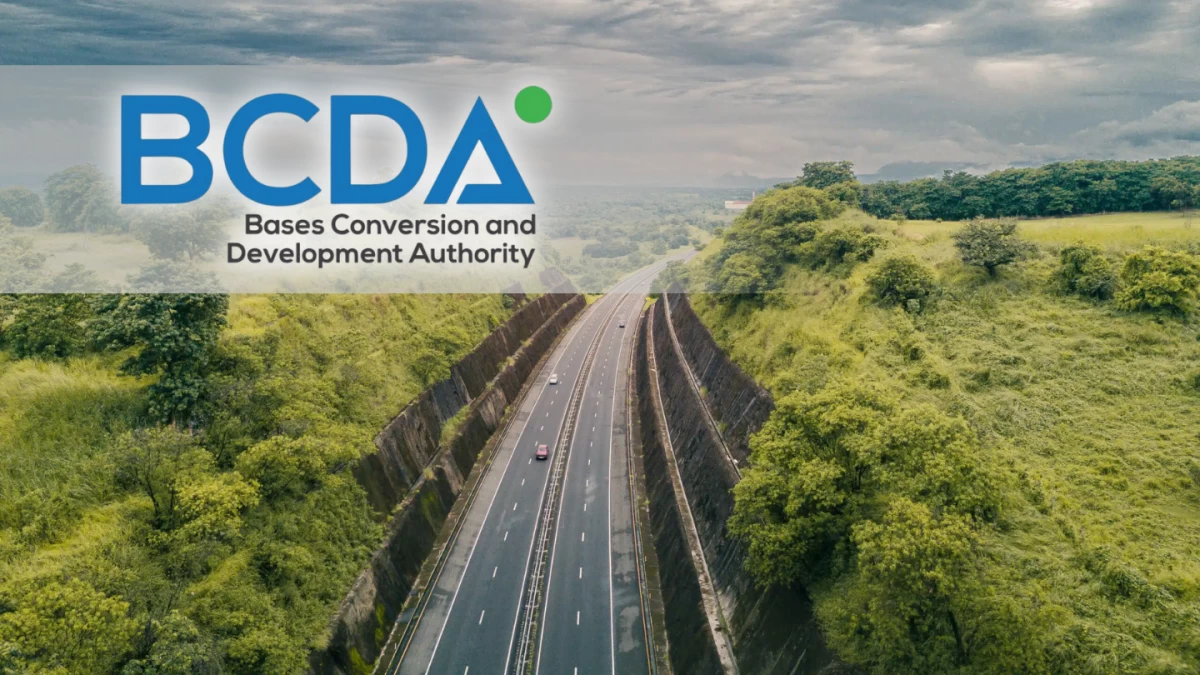
State-run Bases Conversion and Development Authority (BCDA) has abandoned plans to sell its 50-percent stake in the Subic–Clark–Tarlac Expressway (SCTEX), opting instead to retain the asset to secure long-term revenue stream for its infrastructure pipeline.
BCDA President and Chief Executive Officer Joshua Bingcang told reporters last week that the agency is no longer keen on unloading its interest in the 93.77-kilometer toll road as the asset is now viewed as critical engine for future growth.
“We don’t want to anymore. That would be for our investments,” Bingcang said. “We could capitalize on future revenues to build more and accelerate additional projects.”
BCDA’s pivot follows discussions last year in which the BCDA expressed openness to a sale if the valuation exceeded previous proposals from Metro Pacific Tollways Corp. (MPTC).
The tollway giant, led by tycoon Manuel V. Pangilinan, submitted a bid of approximately ₱20 billion in May 2024 to consolidate its control over the asset. However, Bingcang said the offer was rejected because it failed to cover the government’s outstanding debt to the Japan International Cooperation Agency (JICA), which provided the initial financing for the expressway’s construction.
Internal calculations suggest that an undervalued exit would undermine the BCDA’s fiscal position, particularly as SCTEX has become a primary driver of the agency’s balance sheet.
The expressway’s performance contributed significantly to the BCDA’s record ₱14.1 billion in cash revenues last year. The agency’s share of toll collections reached roughly ₱3 billion, a 30 percent increase from the ₱2.3 billion recorded in 2024.
Under the existing concession agreement, MPTC and the BCDA split gross toll revenues equally, with MPTC subsidiary NLEX Corp. handling operations. Rather than exiting, the BCDA is reinvesting its share of the profits.
The agency has earmarked ₱1 billion this year for a series of capital expenditures aimed at improving the toll road. Approximately 75 percent of those funds will be deployed to construct three new interchanges in Luisita, Hermosa, and Mabalacat to boost regional connectivity. The remainder of the budget will be used for road lighting upgrades and new service facilities, specifically along the corridor leading to Subic.
By retaining its stake, the BCDA ensures it maintains a steady cash flow to service its JICA obligations while funding the expansion of its economic zones.
The agency’s shift only highlighted BCDA’s broader strategy of maintaining equity in high-performing utilities rather than pursuing one-time gains through privatization, an analyst said.