







The energy shift that's giving the planet a fighting chance
Published Feb 6, 2026 12:05 am
|
Updated Feb 5, 2026 05:03 pm


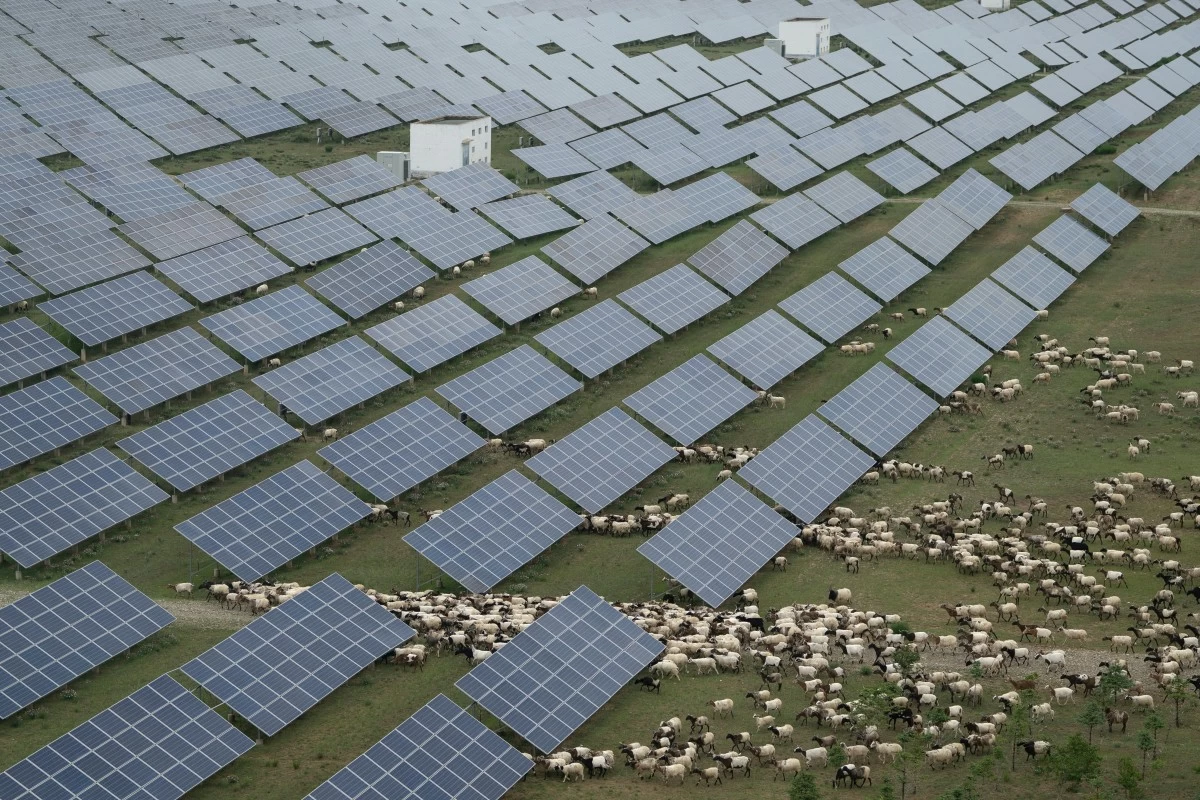
A solar farm in China's Qinghai province (AP)
The world is continuously presented with new ways of doing things better. In sourcing energy, for instance, fossil fuels now share space, rightfully so, with renewable options such as solar and wind. Both serve the same purpose, but the differences between them are significant.
Fossil fuels are burned to generate power, producing greenhouse gas emissions that harm the environment. Renewable energy sources, on the other hand, are naturally replenished and generate little to no harmful emissions. Energy derived from these natural sources is also replenished faster than it is consumed, according to the United Nations in its article “Renewable Energy – Powering a Safer and Prosperous Future.”
While the transition to renewable energy requires substantial funding, infrastructure, technology and changes in policy and legislation, its most compelling advantage remains its clear pro-planet benefit. The United Nations has warned that global emissions must be reduced by nearly half by 2030 to avoid the worst impacts of climate change. Expanding the use of renewable energy will be critical to meeting that target. As the UN has emphasized, energy lies at the heart of climate change – and at the center of its solution. In its report Seizing the Moment of Opportunity, the organization described an “unprecedented” chance to invest in policies and infrastructure that can capitalize on falling costs, expanding manufacturing capacity and the abundance of renewable sources worldwide.
Green energy advocates have reason to be encouraged. In October, BBC climate editor Justin Rowlatt reported that renewable energy had overtaken coal as the world’s largest source of electricity. Data from global energy think tank Ember showed that solar and wind power met 100 percent of the increase in global electricity demand. A representative from Ember noted that the shift shows how clean energy is keeping up with global growth. Rowlatt also reported that solar power – 58 percent of which comes from developing countries – has met 83 percent of new electricity demand worldwide since 2022, making it the largest source of new electricity generation.
Investment figures further support this momentum. The UN reported that clean energy investments reached US$2 trillion in 2024, exceeding fossil fuel investment by US$800 billion. That same year, the global economy grew by more than 3 percent, while emissions declined by 0.8 percent. Renewable energy is also contributing to 10 percent of global GDP growth through job creation, among other factors. The International Renewable Energy Agency reported that 16.6 million jobs worldwide in 2024 were due to demands in the renewable energy sector.
Health benefits are equally significant. The UN estimates that poor air quality causes annual economic damage of about US$8.1 trillion globally. The World Health Organization attributes seven million premature deaths each year to outdoor and household air pollution. Clean energy sources reduce pollution, protect public health and mitigate harm as global energy demand continues to rise, says the agency. Even the shift to cleaner cooking methods, the WHO notes, can improve indoor air quality.
In the Philippines, sustainable energy practices are increasingly evident across households, schools, hotels and businesses. Property developer SM Prime Holdings, Inc., for example, has reduced its carbon footprint through optimized building management systems, improved air-conditioning and ventilation and solar-powered outdoor spaces. More than half of the company’s energy consumption now comes from renewable sources supplied by partners such as Aboitiz Renewables, Citicore Renewable Energy Corporation and TotalEnergies.
These initiatives have resulted in low-carbon, climate-smart office and retail spaces aligned with SM Prime’s Net Zero by 2040 goal. A Manila Bulletin report published on Jan. 14 noted that the company’s sustainability initiatives led to a 38 percent reduction in electricity consumption and saving of P2.3 billion in 2024.
Similarly, Philippine-founded multinational restaurant company Jollibee Group has anchored its sustainability efforts under its “Joy for Tomorrow” agenda. Among its initiatives is the installation of 16,800 rooftop solar panels across key manufacturing and logistics facilities nationwide. These provide a combined capacity of 9.1 megawatts — enough to supply 12 to 15 percent of the group’s manufacturing and logistics power requirements.
The formula is clear. When green energy advances, the planet benefits. And when the planet is protected, human life stands a far better chance of continuing to thrive.