






 Philippines
National
Senate bill seeks voting options for PWDs, seniors, other vulnerable sectors
Philippines
National
Senate bill seeks voting options for PWDs, seniors, other vulnerable sectors
Senate bill seeks voting options for PWDs, seniors, other vulnerable sectors


At A Glance
- Senator Jinggoy Ejercito Estrada has filed a bill seeking to make voting more accessible for Filipinos in vulnerable situations by expanding the law on local absentee voting and improving polling facilities nationwide.
Senator Jinggoy Ejercito Estrada has filed a bill seeking to make voting more accessible for Filipinos in vulnerable situations by expanding the law on local absentee voting and improving polling facilities nationwide.
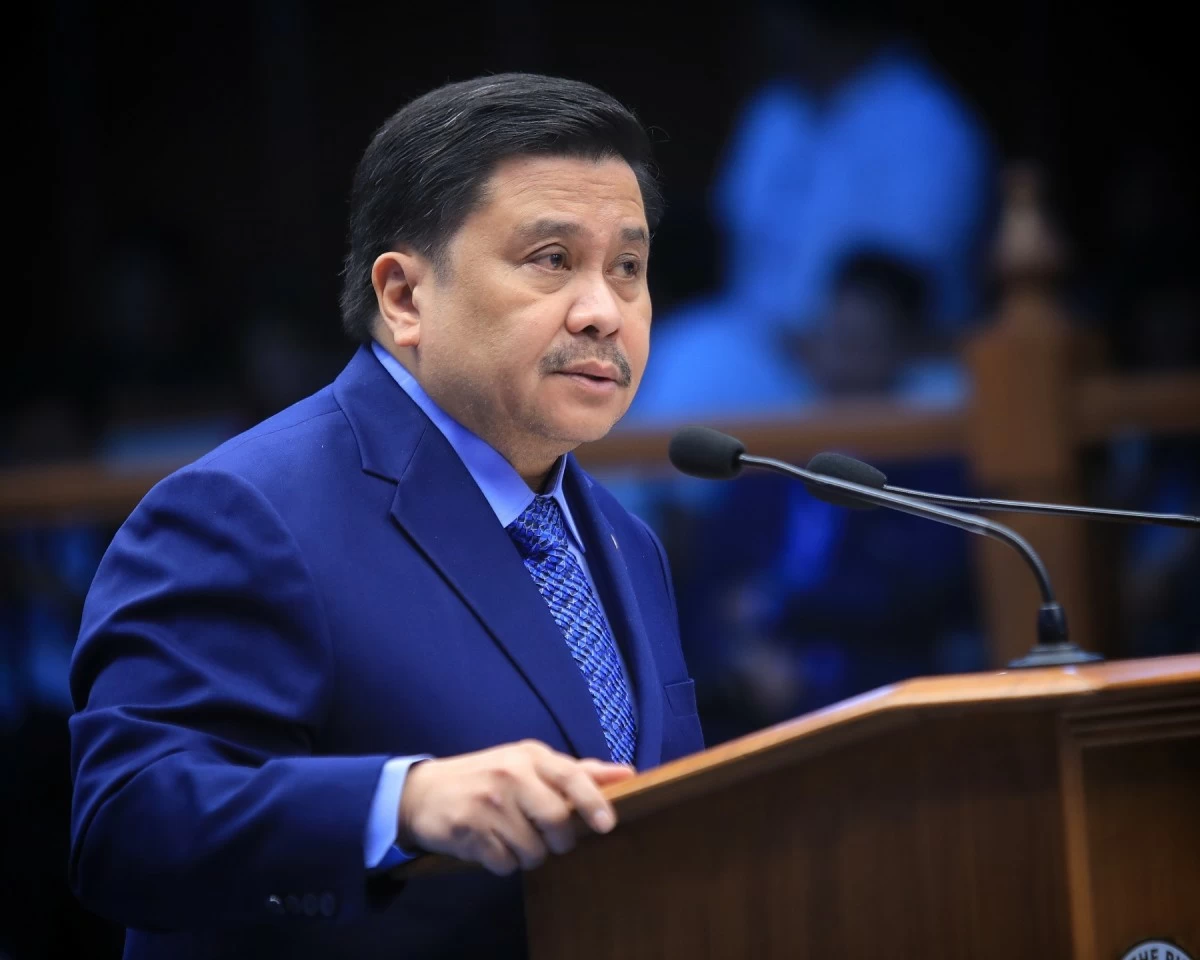
Estrada, in filing Senate Bill No. 1075, sought alternative modes of voting for persons such as senior citizens, persons with disabilities (PWDs), pregnant women, internally displaced persons (IDPs), health workers on duty, and even repatriated overseas workers, by allowing them to cast their ballots ahead of election day or in specially designated accessible venues.
“It is the right of every Filipino, unless disqualified by law, to vote. This right is not lost due to physical infirmity, age, or life situation,” Estrada said.
Estrada noted that while Republic Act No. 10366 already authorizes the Commission on Elections (Comelec) to establish accessible polling places exclusively for senior citizens and PWDs, many voters from vulnerable sectors have remained disenfranchised
He cited the 2019 elections where only about three percent of the nearly eight million registered senior citizen voters were able to cast their ballots, highlighting serious gaps in accessibility.
“The unfortunate low turnout underscores the urgency of strengthening the law to truly ensure accessible polling places,” he stressed.
Under SB No. 1075, qualified voters from vulnerable sectors may avail of local absentee voting for at least two (2) days within the week prior to Election Day, which shall be held in accessible establishments designated by the Comelec.
The bill also authorizes the establishment of Emergency Accessible Polling Places in residences, hospitals, quarantine facilities, jails, IDP areas, and other locations where voters may find it difficult to go to regular polling centers.
The measure also sets clearer and more comprehensive standards for accessible polling places, including the installation of ramps and railings, availability of wheelchairs, adequate lighting and ventilation, lists of candidates in Braille, and the presence of sign language interpreters.
Moreover, it also provides for transportation or shuttle services to help vulnerable voters reach polling sites.
The bill also seeks the creation of a Vulnerable Sectors Office within the Comelec, which shall oversee programs and services for these groups.
“This is about dignity and equal participation. Voting is a right, not a privilege,” Estrada stressed.
“No Filipino should be denied a voice in choosing our leaders simply because voting was made physically or logistically difficult for them,” the senator said.