







NAIA sets all-time monthly passenger record in January
Published Feb 6, 2026 01:11 pm


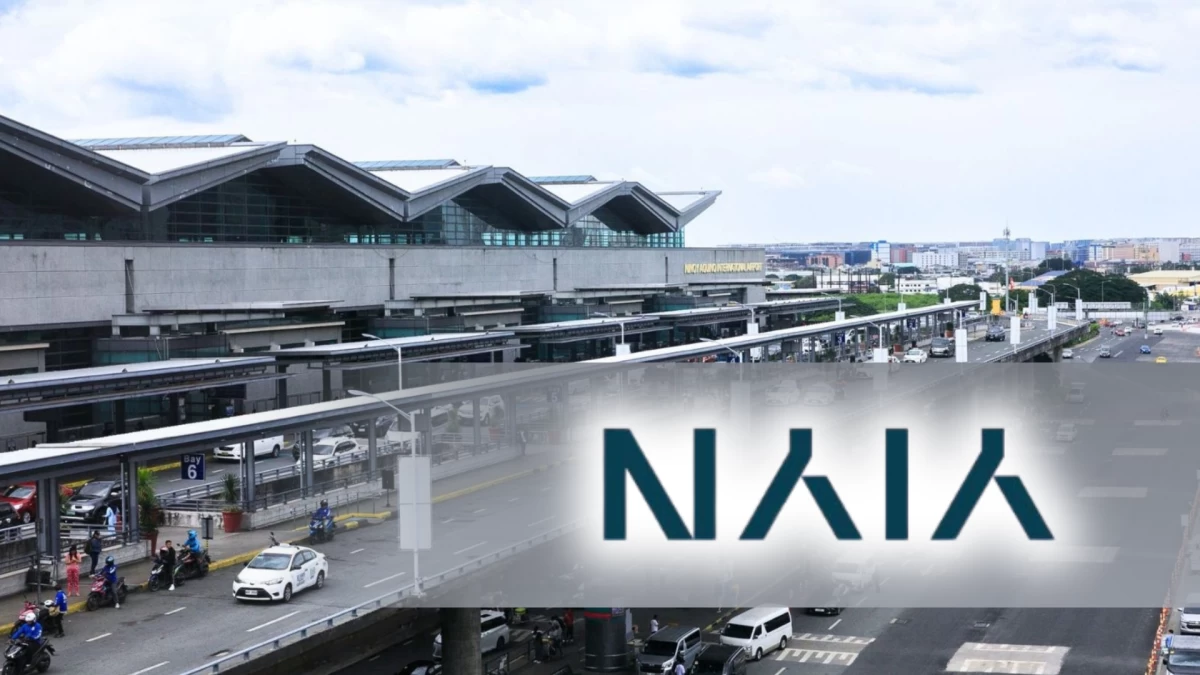
Main gateway Ninoy Aquino International Airport (NAIA) recorded nearly five million passengers in January—its highest monthly level to date—as more Filipinos traveled domestically and abroad during the holiday season.
Fresh from its busiest month ever in December 2025, NAIA set a new record high in January after posting a passenger volume of 4.96 million, exceeding the 4.86 million recorded the previous month.
Airport operator New NAIA Infra Corp. (NNIC) said the increase in traffic followed a surge in holiday travel from Dec. 20 to Jan. 4, with the airport handling around 2.6 million passengers across its three terminals during the period.
The peak day was Jan. 4, a Sunday, when the gateway logged 180,089 passengers—the highest single-day passenger volume ever recorded.
For the month, NAIA posted its highest monthly international volume yet at 2.42 million passengers, while domestic travelers accounted for the remaining 2.54 million.
Despite the spike in passenger volume, NNIC said airport operations remained stable, supported by recent service upgrades.
NNIC earlier rolled out biometric immigration e-gates and enhanced passenger processing systems to speed up passenger flow and reduce queues at the country’s primary gateway.
Backed by San Miguel Corp. (SMC), NNIC is undertaking a ₱170.6-billion concession to upgrade and modernize NAIA, with the goal of expanding annual passenger capacity to 62 million from the current 35 million.
Last year, NAIA recorded its highest-ever annual passenger volume at 52.02 million, nearly four percent higher than the previous record of 50.1 million passengers in 2024.
Passenger numbers are expected to rise further this year, particularly with the scheduled withdrawal of all turboprop operations in March.
Both flag carrier Philippine Airlines (PAL) and low-cost carrier Cebu Pacific have announced plans to transfer their turboprop operations from NAIA to alternative airports such as Clark International Airport.
The move complies with a directive from the public-private Manila Slot Coordination Committee (MSCC) to relocate smaller aircraft in order to free up space for larger jets and maximize the airport’s limited capacity.
In place of its turboprop flights, PAL said it plans to increase weekly services on high-demand routes such as Cebu, Iloilo, and Tacloban.
Cebu Pacific, meanwhile, said it will use the freed-up slots to boost flight frequencies to both domestic and international destinations, including Hong Kong and Kaohsiung.