






Manila Bulletin
 Philippines
National
House labor panel puts a dent on backlog as pro-worker bills see progress
Philippines
National
House labor panel puts a dent on backlog as pro-worker bills see progress
Philippines
National
House labor panel puts a dent on backlog as pro-worker bills see progress
House labor panel puts a dent on backlog as pro-worker bills see progress
Published Feb 6, 2026 12:24 am


At A Glance
- The House Committee on Labor and Employment have recently passed a collection of pro-worker bills in a bid to get some, if not all of these crucial measures enacted in the current 20th Congress.
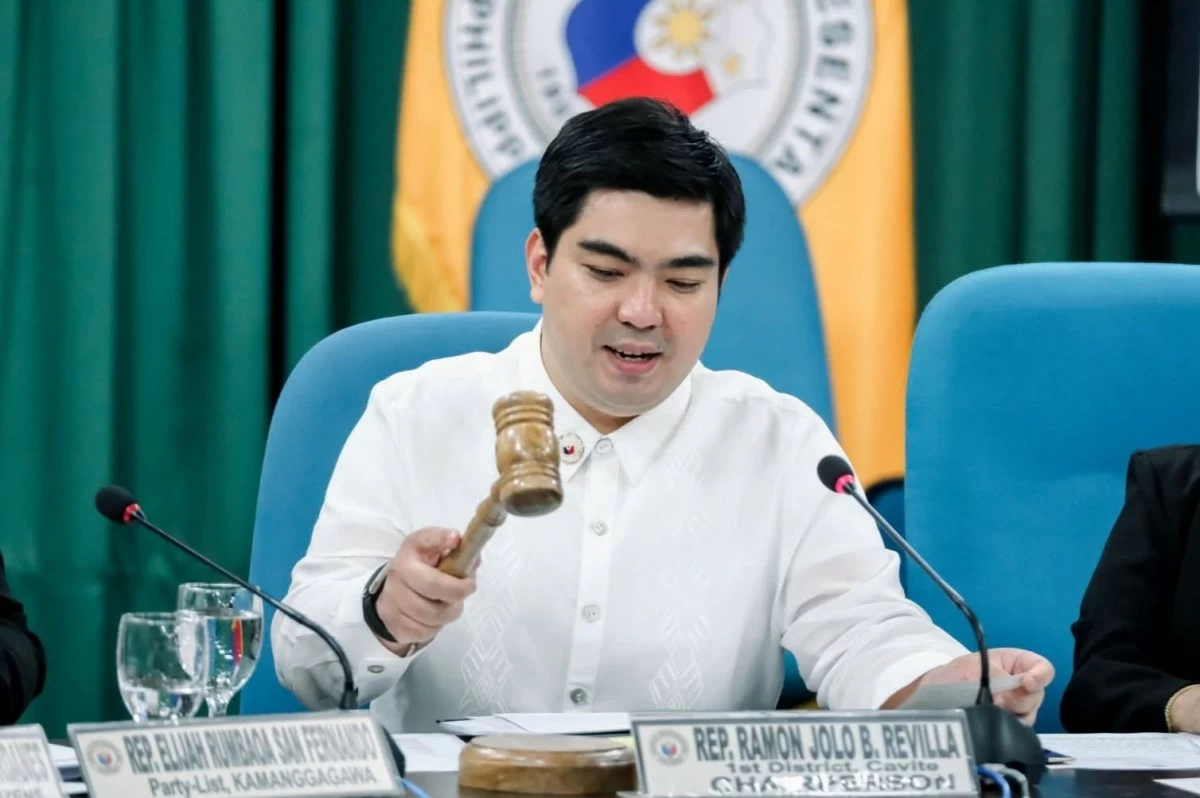
Cavite 1st district Rep. Jolo Revilla (Facebook)
The House Committee on Labor and Employment have recently passed a collection of pro-worker bills in a bid to get some, if not all of these crucial measures enacted in the current 20th Congress.
In an update on the panel's activies since the resumption of sessions last month, Cavite 1st district Rep. Jolo Revilla, chairman of the committee, said that the approved bills will be transmitted to the plenary for further consideration.
Meanwhile, pending measures will continue to undergo committee scrutiny as part of the House’s broader labor reform agenda.
“These measures—whether approved or under deliberation—address real and present challenges faced by Filipino workers, from wages and safety to access to jobs and government services,” Revilla said.
The House of Representatives reconvened only last Jan. 26 after its month-long holiday recess.
Revilla said the committee’s actions reflect the House’s continuing effort to respond to both long-standing and emerging labor concerns, particularly those affecting minimum wage earners, frontline workers, and employees in high-risk and nontraditional work environments.
Among the bills that hurdled the panel was a consolidated substitute measure seeking to institutionalize a National Minimum Wage. This combined several proposals designed to ensure a fair and adequate baseline income for Filipino workers nationwide.
The panel likewise approved bills and resolutions that sought to strengthening occupational safety and health (OSH) standards, particularly during climate-related events, disasters, and emergency situations, as well as a measure granting survivorship benefits to National Labor Relations Commission (NLRC) officials.
Also approved was a resolution urging the Philippine Statistics Authority (PSA) to recognize virtual assistants, online freelancers, and remote workers as a distinct labor category to support data-driven policymaking in the digital economy.
The committee also deliberated on a bill establishing a provincial office of the Department of Labor and Employment (DOLE) in Dinagat Islands. The proposal is aimed at improving access to labor services in geographically isolated areas.
The panel also deliberated on several measures that sought to protect the welfare of Business Process Outsourcing (BPO) workers. These included proposals that pursued fair working conditions, recognition of labor rights under the Labor Code, and stronger safeguards for workers in the BPO industry.
In addition, the committee took up measures amending the Public Employment Service Office (PESO) Act, including proposals to institutionalize job placement offices in higher educational institutions and strengthen employment facilitation mechanisms nationwide.