







Acting budget chief rejects calls to scrap standby funds
Published Feb 6, 2026 08:58 pm


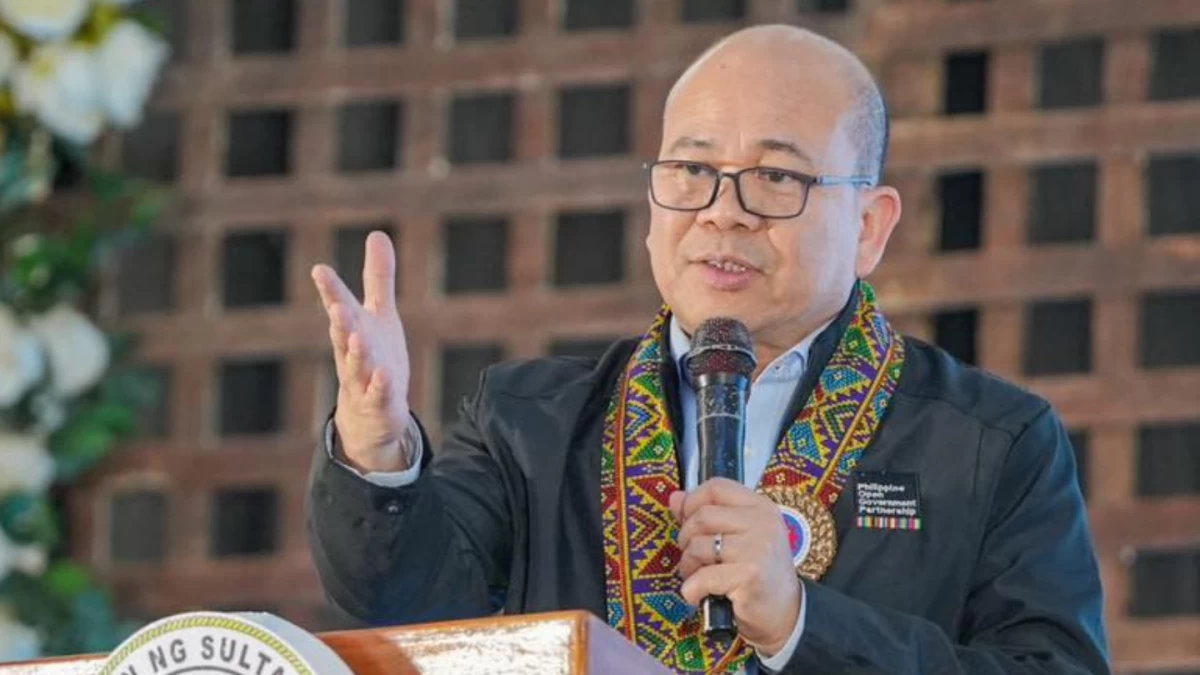
Acting Budget Secretary Rolando Toledo
The Department of Budget and Management (DBM) defended the inclusion of unprogrammed appropriations (UAs) in this year’s spending plan, arguing that the standby funds serve as vital fiscal safety net despite mounting calls for their removal.
Acting Budget Secretary Rolando Toledo told reporters on Friday that the controversy surrounding these “standby” funds stems from their execution rather than their existence.
“The question is, how do we use the UA,” Toledo told reporters on the sidelines of the 4th Ruperto P. Alonzo Memorial Lecture, adding he would not recommend to President Ferdinand Marcos Jr. that the mechanism be scrapped.
Unprogrammed appropriations act as a secondary budget tier that can only be funded when the government exceeds its revenue targets or secures new foreign loans. While critics argue the mechanism bypasses fiscal discipline, Toledo said the funds are fundamental part of the government’s overall fiscal framework and are accounted for during the initial stages of budget preparation.
The budget chief noted that several critical infrastructure projects fail to meet the cutoff for the regular programmed budget due to the length of the approval process, specifically citing the Investment Coordination Committee.
By placing these projects in the unprogrammed category, the budget official said the government maintains the flexibility to begin implementation as soon as they are “shovel-ready” and approvals are secured within the fiscal year.
For the 2026 budget cycle, the DBM is tightening the scope of these funds. Toledo noted that the department has limited the current list of UA to three specific areas: foreign-assisted projects, risk management programs, and the Armed Forces of the Philippines (AFP) modernization program. This narrowing of focus appears intended to address concerns regarding the ballooning size of discretionary standby funds in previous years.
Toledo clarified the division of labor between the executive and legislative branches, noting that while the DBM submits a refined proposal to the President, Congress ultimately holds the power to decide which items are classified as programmed or unprogrammed.
Beyond fiscal management, Toledo emphasized a push for digital transparency. The department is exploring a policy to make all procurement transactions under the Philippine Government Electronic Procurement System (PhilGEPS) automatically accessible to the public. While the platform remains under development, the DBM is seeking public feedback on what data points should be prioritized for disclosure.
The secretary also reaffirmed the administration’s support for the Freedom of Information (FOI) Act, which remains a priority bill in the 20th Congress.
Toledo said the DBM is in active consultations with sponsors in both the House and the Senate to push the legislation forward. In the interim, he noted that many local government units have already institutionalized these transparency measures through local ordinances.