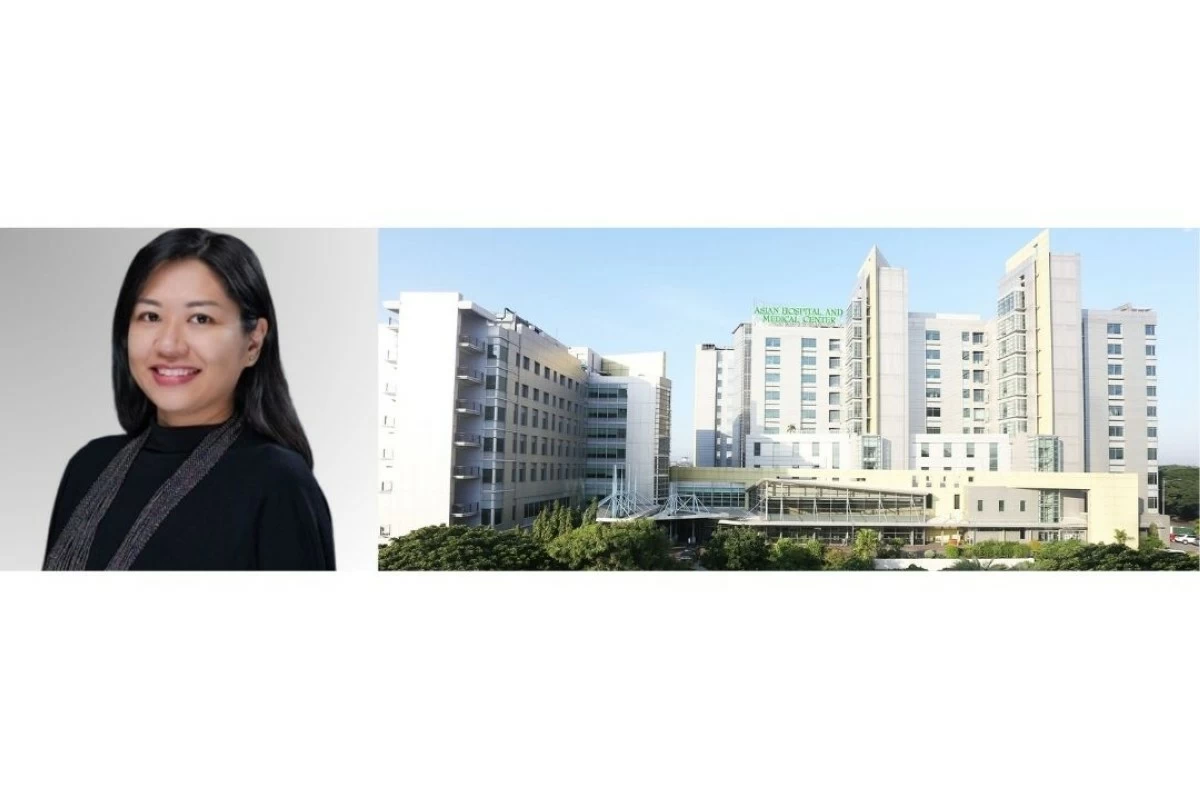
By Dr. Ma. Priscilla Pacifico – Ereño
Consultant, Section of Developmental and Behavioral Pediatrics
Department of Pediatrics
Asian Hospital and Medical Center
We often hear the saying, "Everyone is different." This is true in every aspect of our humanity, from how we look to how we think. Our brains, in particular, shape the way we understand and interact with life. For some, their unique way of processing the world is part of a neurodevelopmental difference known as autism.
The Diagnostic and Statistical Manual of Mental Disorders (DSM 5) defines Autism Spectrum Disorder as persistent deficits in social communication and social interaction seen in multiple contexts, and the presence of restricted or repetitive behaviors and interests, with symptoms arising early in childhood and causing significant impairment. The signs, symptoms, and developmental course of the condition vary widely among individuals and across the lifespan.
The signs and symptoms
It is well established that developmental milestones follow a predictable pattern. Professional organizations, including the American Academy of Pediatrics, the Centers for Disease Control and Prevention, and the Philippine Pediatric Society, recommend that parents track developmental milestones to support early identification of autism.
Studies suggest that most children with ASD display typical social behaviors until around nine months of age, after which their social and communication abilities gradually decline. One of the earliest signs of autism is an infant's inability to sustain eye contact by around nine months of age. Between 12 and 18 months of age, additional symptoms may become more apparent, including a limited ability to share enjoyment with parents, inconsistent responses to their name or other social bids for interaction, reduced use of gestures, and the emergence of atypical communication behaviors, such as using a parent’s hand as a tool rather than employing a range of gestures like waving or pointing.
Atypical patterns of object exploration, including repetitive manipulation (e.g., spinning), atypical visual inspection, circumscribed object-focused visual interests, and sensory aversions, are frequently observed, particularly with increasing age.
Although these represent the more common or typical signs and symptoms of autism, it is important to note that the manifestation of the condition varies with severity and may be less apparent in individuals with higher cognitive and language abilities.
Many individuals with ASD may also have co-occurring medical conditions such as seizures, restrictive food intake, and gastrointestinal issues, to name a few. Emotional and behavioral problems are also observed in some, including unusual mood responses, heightened anxiety or stress, or aggression.
It is important to emphasize that children with ASD may not present with all the described symptoms; however, early identification of signs is crucial to enable timely intervention and optimize outcomes.
Specialized care for every mind
The benefits of early intervention for ASD are strongly supported by evidence, and outcomes are further enhanced when family support and consistent carryover strategies are implemented athome. Therefore, it is important to consider both the child’s specific needs and the family when discussing intervention plans.
The Center for Autism and Neurodevelopmental Disorders (CANDI) at Asian Hospital and Medical Center provides comprehensive, patient- and family-centered care for individuals with ASD.
CANDI takes a multidisciplinary approach, with neurologists, developmental pediatricians, psychiatrists, therapists, neuropsychologists, and other specialists working together to address the unique needs of each patient. Beyond managing symptoms, the center supports patients and their families throughout every stage of life, ensuring holistic care tailored to each individual.
Enhancing access and convenience in patient care
The Mercedian further enhances patient convenience by significantly improving clinic workflow and turnaround time (TAT). Compared to previous operations, patients now experience faster scheduling, shorter waiting periods, and more streamlined consultations, allowing them to receive care more efficiently and with less disruption to their daily routines.
In addition, Asian Hospital extends its support through the establishment of the Asian Health and Medical Clinic in Mercedian, which now serves as an added access point for the Center for Autism and Neurodevelopmental Disorders. This expansion ensures more accessible, coordinated, and comprehensive care for children and families, reinforcing Asian Hospital’s commitment to inclusive, patient-centered healthcare.
Each journey with ASD is unique, but support is always available. Inquiries can be directed to Asian Hospital and Medical Center via phone at 8771-9000 local 8444 or by email at [email protected]. Additional information and updates can be found on Asian Hospital’s official social media pages at //AsianHospitalPH.