






Manila Bulletin
 Business
Banking & Finance
Visa prepares for future where AI does the shopping for you
Business
Banking & Finance
Visa prepares for future where AI does the shopping for you
Business
Banking & Finance
Visa prepares for future where AI does the shopping for you
Visa prepares for future where AI does the shopping for you
By Derco Rosal
Published Feb 5, 2026 03:56 pm


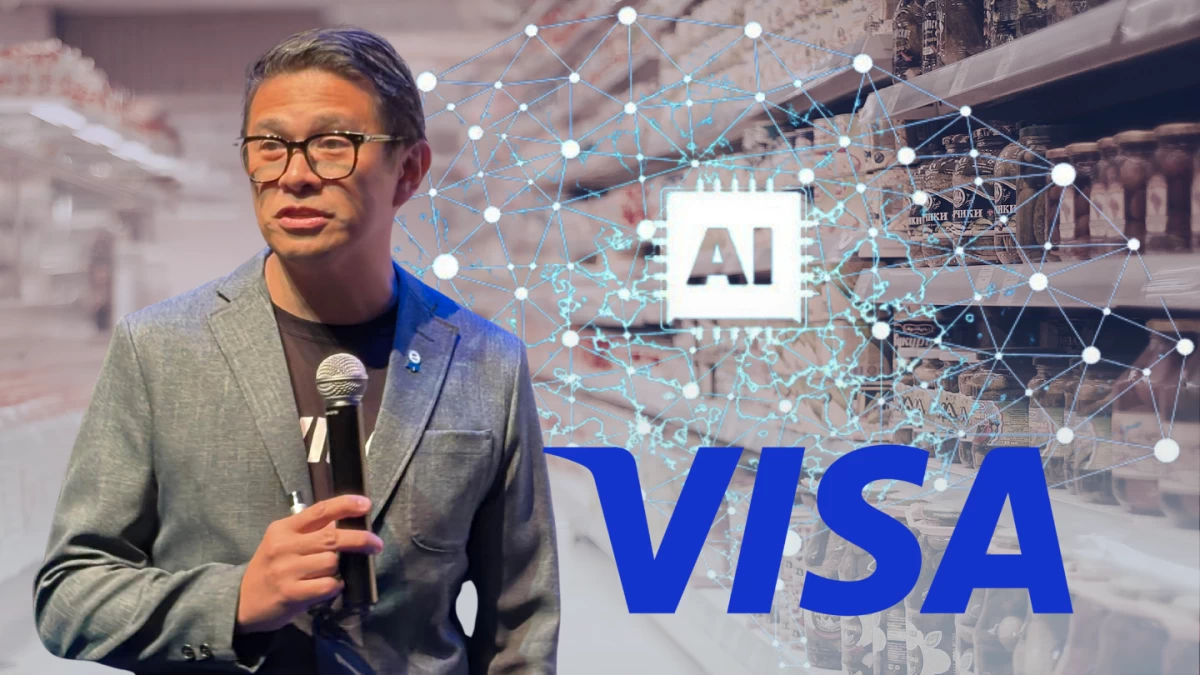
Jeff Navarro, Visa country manager for the Philippines
Digital payments firm Visa is integrating security protocols into the nascent field of agentic commerce to shield the digital payment ecosystem from exploitation as artificial intelligence begins to handle financial transactions independently.
“[Agentic commerce] is one of the major macro shifts and long-term trends in the payments industry,” Stefaan d’ Hoore, Visa regional risk officer for Asia Pacific (APAC), said during a risk forum on Thursday, Feb. 5.
He noted that the industry has evolved from face-to-face transactions to e-commerce and mobile payments, with AI-driven commerce representing the next structural evolution.
Agentic commerce involves a system where AI agents act for consumers to research, select, and finalize purchases without direct human intervention.
While d’ Hoore noted that AI agents are nearly ready to execute direct purchases, the technology currently remains largely confined to the discovery phase of the shopping cycle.
To protect this new ecosystem, Visa is repurposing its existing e-commerce security frameworks—including its $13 billion investment in technology and fraud detection—to ensure AI-driven transactions are authenticated and safe.
One major industry concern is distinguishing legitimate AI assistants from malicious bots. Visa’s new “trusted agent protocol” helps merchants make this distinction.
Beyond bot detection, Visa said the same “foundational” security measures will remain the backbone of agentic commerce.
“Tokenization will be an essential element, along with stronger authentication methods, such as Visa pass keys and biometric verification, to ensure that consumers are properly authenticated before completing a transaction,” said d’ Hoore.
For agentic commerce to achieve global scale, Visa is working to build industry standards.
“Pilots are already happening in the Americas area. Visa also participates in agreeing on what the standards are so that it becomes very seamless,” said Jeff Navarro, Visa country manager for the Philippines.
Navarro stressed that financial institutions must begin preparing now for this agentic commerce wave by adopting modern authentication methods. “The obligation now is to prepare clients for that eventuality,” he said.
Among the foundational steps needed is tokenization, which also dictates the readiness of banks—from onboarding to the recent entry of Google Pay and the upcoming rollout of Apple Pay.
Visa reported massive consumer engagement in the recent launch of Google Pay in the Philippines, thanks to the country’s high Android market share. Navarro described the initial results of the mobile payment provider as promising.
While the target launch of Apple Pay depends on the banks and Apple, Navarro told reporters that Visa is in “active discussions” with its clients. Its primary role in this transition is acting as an accelerator to ensure banks are prepared to meet consumer demand.
Navarro told reporters that the major challenge for Visa will be meeting strong demand, not just in the Philippines but across the wider region. He assured, however, that Visa has sufficient resources to support the banks’ shift.
“What’s clear is that there’s strong enthusiasm from all players to enable payments through mobile,” he concluded.