ADVERTISEMENT

Road to rediscovering 'wow' begins with infra

Published Feb 5, 2026 12:01 am  |  Updated Feb 4, 2026 04:33 pm
OFF THE BEATEN PATH
I’m writing this from Sapporo, Japan. Sapporo is a winter tourist destination, and this week, the annual snow festival is happening. Compared to other Asian destinations, taking a trip to Sapporo is relatively more expensive. The airport is at least an hour away from the city, longer if it snows. Right now, as I’m writing this, it’s minus seven degrees Celsius.
But as is obvious, Sapporo (and nearby Niseko) remains a top tourist destination on many people’s to-go-to lists, even in the summer. Approximately 15 million tourists flock to Sapporo every year. For 2025, initial estimates show that about 40 million tourists, both foreign and domestic, visited Japan, with a significant number going to Sapporo and nearby cities.
In contrast, for 2025, the Philippines recorded about 5.94 million tourists, placing it at the bottom among ASEAN countries, narrowly ahead of Cambodia.
Because of Sapporo’s location, winter months bring occasional snowstorms that affect flights, trains, buses, and everyday life. But in conversations with tourists and residents, there’s a shared sentiment that one doesn’t feel too worried about getting caught in bad weather. Why? Because Hokkaido’s infrastructure anticipates these inconveniences and designs against them.
From airport facilities to transportation to and from the city, and movement within the city itself, there’s a clear sense of a master plan—not just for tourists, but for residents of Hokkaido Prefecture as well.
Now I’ll say something almost every Filipino who travels abroad and then returns home eventually says: “Why is the Philippines so far behind compared to the country I just visited?” We’re not just talking about planes circling repeatedly over NAIA because of runway congestion. I once took a flight from the Visayas where the plane circled Manila longer than the actual flight time. There are airports in parts of the Philippines that seem stuck in time or perpetually under repair. There are also safety concerns for foreign tourists, who can become easy targets for enterprising individuals the moment they step outside the airport. Add to that the lack of tourism facilities and supporting infrastructure, which ultimately does a disservice to the airport itself. Case in point: Clark International Airport. It’s a beautiful airport—efficient check-in, cool, comfortable, and an airport you’d want to use repeatedly. But many people don’t. Why? Because it’s inconvenient. There’s no supporting infrastructure that encourages travelers to use it.
Compare this with many international airports in ASEAN countries. These airports may also be far from city centers, but they feel convenient because the supporting infrastructure is there. Want to use a car? The expressways are smooth and wide. Want something faster? Just hop on a train that takes you straight to the city center.
Ask yourself this: Why do wealthy Filipinos who travel abroad willingly use train systems in foreign cities, yet rarely use the LRT, MRT, or other public transport when they’re in Manila?This also connects to feedback I received on last week’s column, where we talked about bringing back the “wow” in Philippine tourism. Many readers agreed that it’s not just about cheaper airline tickets to local destinations. Airline fares are only part of the problem. The bigger issue is tourism infrastructure.
We’ve seen this before—nice slogans, beautiful marketing, but somehow the product fails to launch. The same is true for the Philippines. The focus needs realignment. Slogans may help, but at the core of tourism promotion is infrastructure development.
Take Siargao as an example.
It’s worth pointing out that higher prices aren’t the airlines’ fault. The operational cost of a turboprop aircraft is roughly the same as that of a jet engine aircraft, but jets carry more passengers. Airlines could lower fares by using jet aircraft like the Airbus A321, but they can’t—because Siargao’s runway is too short. This is where government should step in. Extend the runway, and fares will drop.
Others also noted that Siargao needs better medical facilities.
Just remember this: we can make the most heartfelt pitch for foreigners to visit the Philippines, but if, upon arrival, basic systems aren’t in place—like functioning public toilets—the best outcome we can hope for is a one-time visit.
Sustainable tourism doesn’t begin with Instagram posts, press releases, or slogans. It begins with sidewalks, runways, clean toilets, and roads free of potholes. Until we get infrastructure right, tourism growth will always be fragile.
Have suggested local tourist destinations? Please email me at [email protected], and we’ll discuss them in next week’s column.
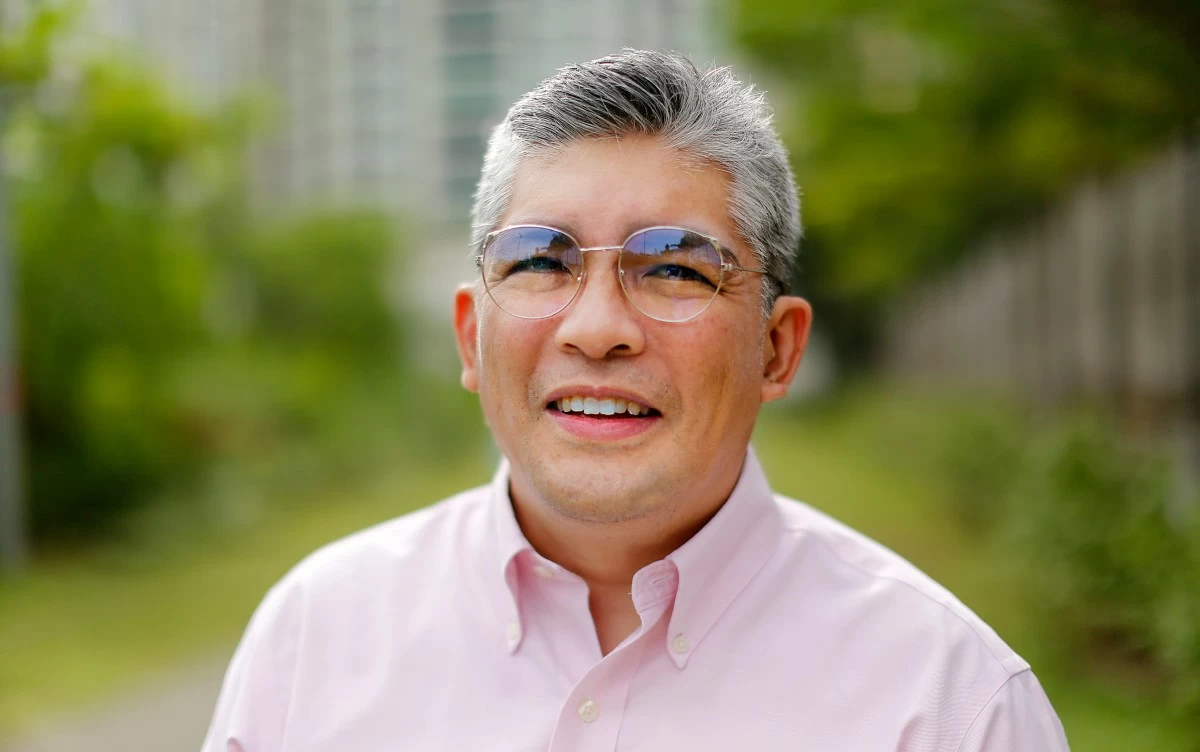
(The author is a former Comelec commissioner. He is a pioneer of automated elections being a member of the Commission that successfully modernized Philippine elections in 2010. He remains involved in public service as an election lawyer.)

Related Tags

OFF THE BEATEN PATH GREGORIO \'GOYO\' LARRAZABAL
ADVERTISEMENT
.most-popular .layout-ratio{ padding-bottom: 79.13%; } @media (min-width: 768px) and (max-width: 1024px) { .widget-title { font-size: 15px !important; } }

{{ articles_filter_1561_widget.title }}

.most-popular .layout-ratio{ padding-bottom: 79.13%; } @media (min-width: 768px) and (max-width: 1024px) { .widget-title { font-size: 15px !important; } }

{{ articles_filter_1562_widget.title }}

.most-popular .layout-ratio{ padding-bottom: 79.13%; } @media (min-width: 768px) and (max-width: 1024px) { .widget-title { font-size: 15px !important; } }

{{ articles_filter_1563_widget.title }}

{{ articles_filter_1564_widget.title }}

.mb-article-details { position: relative; } .mb-article-details .article-body-preview, .mb-article-details .article-body-summary{ font-size: 17px; line-height: 30px; font-family: "Libre Caslon Text", serif; color: #000; } .mb-article-details .article-body-preview iframe , .mb-article-details .article-body-summary iframe{ width: 100%; margin: auto; } .read-more-background { background: linear-gradient(180deg, color(display-p3 1.000 1.000 1.000 / 0) 13.75%, color(display-p3 1.000 1.000 1.000 / 0.8) 30.79%, color(display-p3 1.000 1.000 1.000) 72.5%); position: absolute; height: 200px; width: 100%; bottom: 0; display: flex; justify-content: center; align-items: center; padding: 0; } .read-more-background a{ color: #000; } .read-more-btn { padding: 17px 45px; font-family: Inter; font-weight: 700; font-size: 18px; line-height: 16px; text-align: center; vertical-align: middle; border: 1px solid black; background-color: white; } .hidden { display: none; }
function initializeAllSwipers() { // Get all hidden inputs with cms_article_id document.querySelectorAll('[id^="cms_article_id_"]').forEach(function (input) { const cmsArticleId = input.value; const articleSelector = '#article-' + cmsArticleId + ' .body_images'; const swiperElement = document.querySelector(articleSelector); if (swiperElement && !swiperElement.classList.contains('swiper-initialized')) { new Swiper(articleSelector, { loop: true, pagination: false, navigation: { nextEl: '#article-' + cmsArticleId + ' .swiper-button-next', prevEl: '#article-' + cmsArticleId + ' .swiper-button-prev', }, }); } }); } setTimeout(initializeAllSwipers, 3000); const intersectionObserver = new IntersectionObserver( (entries) => { entries.forEach((entry) => { if (entry.isIntersecting) { const newUrl = entry.target.getAttribute("data-url"); if (newUrl) { history.pushState(null, null, newUrl); let article = entry.target; // Extract metadata const author = article.querySelector('.author-section').textContent.replace('By', '').trim(); const section = article.querySelector('.section-info ').textContent.replace(' ', ' '); const title = article.querySelector('.article-title h1').textContent; // Parse URL for Chartbeat path format const parsedUrl = new URL(newUrl, window.location.origin); const cleanUrl = parsedUrl.host + parsedUrl.pathname; // Update Chartbeat configuration if (typeof window._sf_async_config !== 'undefined') { window._sf_async_config.path = cleanUrl; window._sf_async_config.sections = section; window._sf_async_config.authors = author; } // Track virtual page view with Chartbeat if (typeof pSUPERFLY !== 'undefined' && typeof pSUPERFLY.virtualPage === 'function') { try { pSUPERFLY.virtualPage({ path: cleanUrl, title: title, sections: section, authors: author }); } catch (error) { console.error('ping error', error); } } // Optional: Update document title if (title && title !== document.title) { document.title = title; } } } }); }, { threshold: 0.1 } ); function showArticleBody(button) { const article = button.closest("article"); const summary = article.querySelector(".article-body-summary"); const body = article.querySelector(".article-body-preview"); const readMoreSection = article.querySelector(".read-more-background"); // Hide summary and read-more section summary.style.display = "none"; readMoreSection.style.display = "none"; // Show the full article body body.classList.remove("hidden"); } document.addEventListener("DOMContentLoaded", () => { let loadCount = 0; // Track how many times articles are loaded const offset = [1, 2, 3, 4, 5, 6, 7, 8, 9, 10]; // Offset values const currentUrl = window.location.pathname.substring(1); let isLoading = false; // Prevent multiple calls if (!currentUrl) { console.log("Current URL is invalid."); return; } const sentinel = document.getElementById("load-more-sentinel"); if (!sentinel) { console.log("Sentinel element not found."); return; } function isSentinelVisible() { const rect = sentinel.getBoundingClientRect(); return ( rect.top < window.innerHeight && rect.bottom >= 0 ); } function onScroll() { if (isLoading) return; if (isSentinelVisible()) { if (loadCount >= offset.length) { console.log("Maximum load attempts reached."); window.removeEventListener("scroll", onScroll); return; } isLoading = true; const currentOffset = offset[loadCount]; window.loadMoreItems().then(() => { let article = document.querySelector('#widget_1690 > div:nth-last-of-type(2) article'); intersectionObserver.observe(article) loadCount++; }).catch(error => { console.error("Error loading more items:", error); }).finally(() => { isLoading = false; }); } } window.addEventListener("scroll", onScroll); });

Sign up by email to receive news.