






Manila Bulletin
 Philippines
National
Illegal factory that produces P150 M cigarette a day raided in Pampanga; at least 2 politicians tagged as financiers
Philippines
National
Illegal factory that produces P150 M cigarette a day raided in Pampanga; at least 2 politicians tagged as financiers
Philippines
National
Illegal factory that produces P150 M cigarette a day raided in Pampanga; at least 2 politicians tagged as financiers
Illegal factory that produces P150 M cigarette a day raided in Pampanga; at least 2 politicians tagged as financiers
Published Feb 5, 2026 12:11 pm


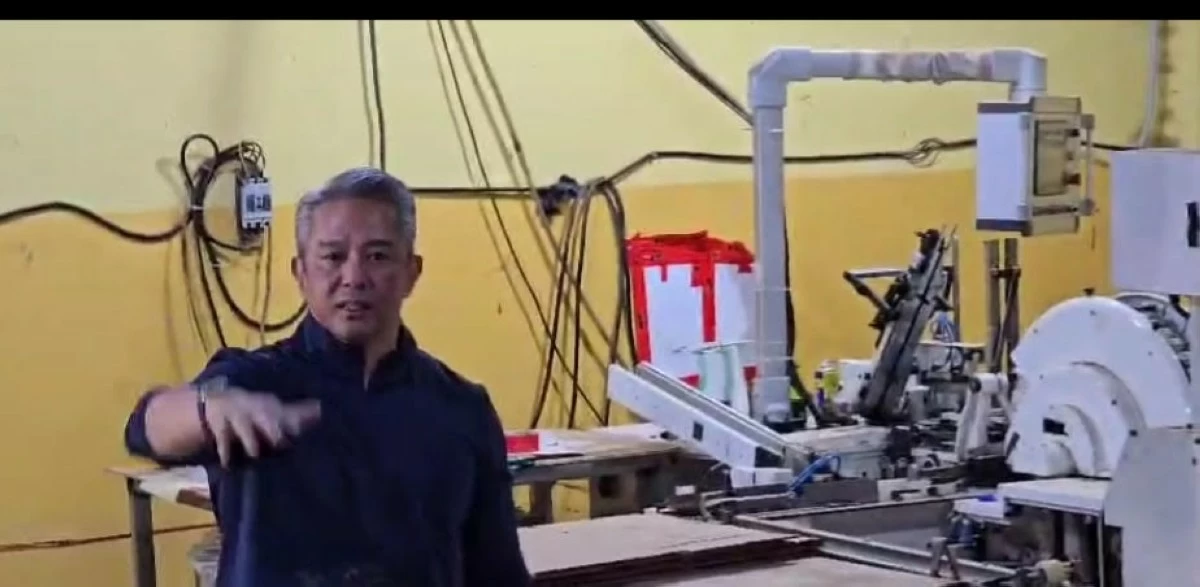
DILG Secretary Jonvic Remulla inspects the machines being used in the manufacture of cigarettes following a raid on an illegal factory in Pampanga that can produce P140 million worth of cigarettes a day.
The Department of the Interior and Local Government (DILG) is looking into the involvement of two politicians from northern Luzon in the proliferation of smuggled and unregistered cigarettes in the country.
DILG Secretary Jonvic Remulla disclosed the information following a raid on an illegal cigarette-manufacturing factory in Mexico, Pampanga that can produce P150 million worth of cigarettes per day.
During the operation in a warehouse in Barangay Panipuan, Mexico, Pampanga on Jan. 28, six Chinese were arrested while 63 Filipino workers were rescued from what Remulla described as a clear case of human trafficking as the local workers were not given the P15,000 monthly salary promised to them.
The first high-impact anti-smuggling operation was on Dec. 31 last year when police discovered P1.1 billion worth of cigarettes in Batangas City. The following day, around P1.5 billion of the same cigarettes were seized in Malabon.
Remulla said the operation in Pampanga was a result of the follow-up investigation against all those responsible for the entry of cigarettes in the country, which he said cost the national government P30 billion in unpaid taxes in 2024.
And based on that investigation, Remulla said at least two politicians are financing the operation of cigarette smuggling in the country.
“We suspect there are two northern Luzon politicians behind it. We are still investigating, we cannot give you the names but we suspect there are politicians behind these,” said Remulla in a press briefing in Pampanga where the raid was conducted.
“They hold the entire ecosystem of illegal tobacco. These politicians are Luzon based,” he added when asked to elaborate on the role of the politicians in cigarette smuggling.
The shift
Amid the intensified anti-smuggling operation in the past few years, Remulla said syndicates involved in cigarette smuggling devised a plan to prevent detection.
From smuggling itself through the country’s ports which are too risky for the syndicates, he said the group resorted to setting up a factory of illegal cigarettes in the country.
This gave birth to the illegal cigarette factory in Mexico, Pampanga.
During the raid on Jan. 28, police confiscated three machines and other equipment being used in the manufacture of cigarettes.
P4.5 B production
Remulla said the Pampanga cigarette factory was just recently set up, especially after the arrival of the Chinese machine operators in December last month.
Citing investigation result, the factory started the operation on January 1 when the machine set up was completed in a warehouse rented by the syndicate.
“We estimate they produced over 4.5 billion pesos worth of cigarettes in the span of one month. These were all distributed,” said Remulla.
The market
Before the discovery of the factory, the cigarettes were smuggled into the country by dropping them in bulk on high seas to avoid. They are later picked up by their local contacts.
The cigarettes are then distributed in local markets and sari-sari stores where they are patronized as the cigarette is sold half the price lower than the branded ones.
The same modus was used in the distribution of the cigarettes that were illegally manufactured in Pampanga, according to Remulla.
He said the network of distribution includes tapping wing vans that transport the illegal cigarette products in various parts of the country.
More factories
“We suspect there are 10 other manufacturing sites all over the country. We have intelligence reports and we are confident to get all of them in the next few weeks,” said Remulla.
“This is equivalent to economic sabotage so this operation must stop in the soonest possible time,” he added.
Charges
All the arrested suspects are now under police custody and facing charges of violation of Republic Act 12022, or the Anti-Agricultural Economic Sabotage Act and human trafficking, both are non-bailable offenses.
Remulla, however, said that they will dig deeper into the case to identify and hold responsible all those involved, including the politicians.