






Manila Bulletin
 Philippines
National
DepEd's ARAL Program: Separating teaching and remedial support to boost student learning
Philippines
National
DepEd's ARAL Program: Separating teaching and remedial support to boost student learning
Philippines
National
DepEd's ARAL Program: Separating teaching and remedial support to boost student learning
DepEd's ARAL Program: Separating teaching and remedial support to boost student learning
Published Feb 5, 2026 06:13 pm


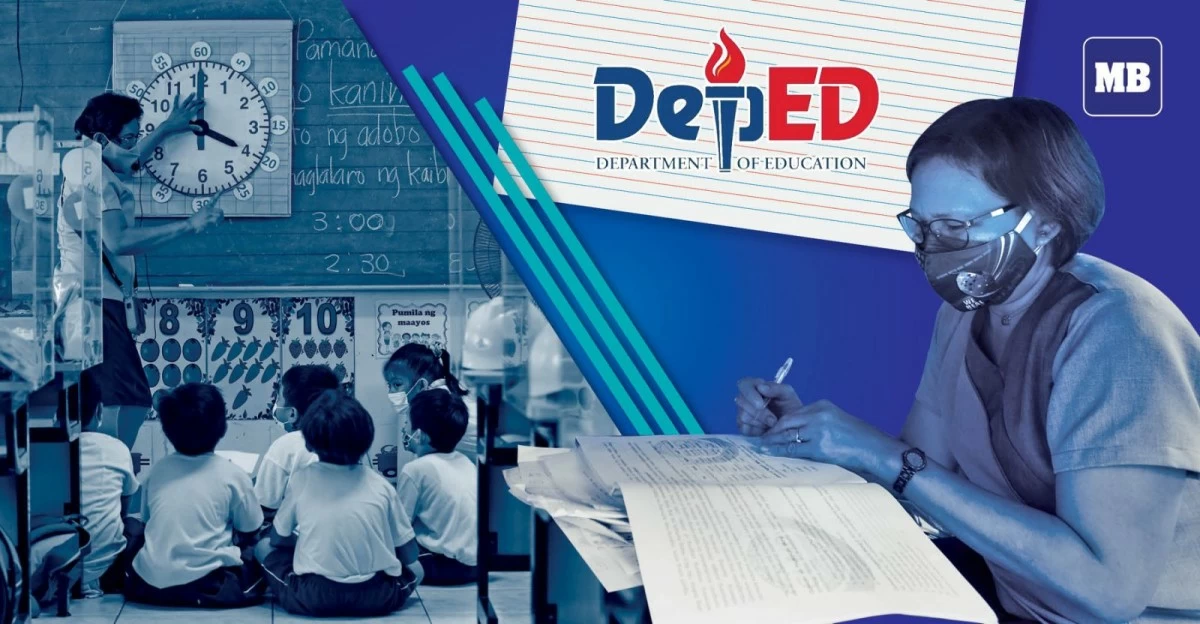
The Department of Education (DepEd) highlights how the ARAL Program separates classroom teaching from remedial support to strengthen learning recovery nationwide. (DepEd / MB Visual Content Group)
The Department of Education (DepEd) reiterated the significance of its learning recovery initiative, the Academic Recovery and Accessible Learning (ARAL) Program, which is designed to improve learning outcomes by separating classroom teaching from remedial instruction for struggling students.
DepEd Secretary Sonny Angara, in an interview over DZRH on Thursday, February 5, said the program assigns trained tutors to provide focused academic support, allowing classroom teachers to concentrate on lesson delivery, assessment, and curriculum coverage.
“Ang ginawa namin, mayroon na tayong ARAL Program. Bagong batas ito, na lahat ng tutors ay hindi na mismo ang teacher ng bata (What we did is, we now have the ARAL Program. This is a new law where all tutors are no longer the actual teacher of the child),” Angara said.
“So, ang trabaho na lang ng teacher ay magturo, mag-assess ng bata, at siguraduhing accurate ang grades (So, the teacher’s job is to teach, assess the child, and ensure that grades are accurate),” he added.
Under Republic Act No. 12028, or the ARAL Program Act, DepEd is required to deploy tutors and support aides to assist learners who need intervention in critical subjects.
Addressing pressures on teachers and grading practices
Under the previous system, teachers were responsible for both regular instruction and remedial classes.
Angara explained that this often created pressure on educators to pass students—even those who had not met learning standards—since they were also tasked with helping them catch up.
This setup, he noted, sometimes led to inaccurate grading and compromised academic standards.
With the ARAL Program, Angara said teachers will now serve primarily as instructors and evaluators, while tutors handle personalized interventions for learners who fall behind.
Focused support for struggling learners
Angara noted that the ARAL Program aims to provide more intensive and targeted assistance, particularly in foundational skills such as reading, writing, and mathematics, where many students continue to struggle.
Tutors will work closely with learners in small groups or one-on-one settings to address specific learning gaps and monitor progress over time.
According to DepEd, tutors in the ARAL Program are not the child’s regular classroom teachers but specially engaged individuals—often licensed teachers, para-teachers, or trained volunteers—who provide structured small-group or one-on-one tutorials in core subjects such as Reading, Math, and Science.
Their role is to supplement classroom instruction and help learners who are below proficiency catch up.
The ARAL Program also complements the Department of Social Welfare and Development’s (DSWD) Tara Basa Program, which deploys tutors—many of them youth volunteers—to help children improve literacy and academic performance.
By aligning efforts across agencies, DepEd hopes to strengthen nationwide learning recovery initiatives following years of disrupted schooling.