







Cebu airport posts highest monthly traffic in history
Published Feb 5, 2026 03:56 pm


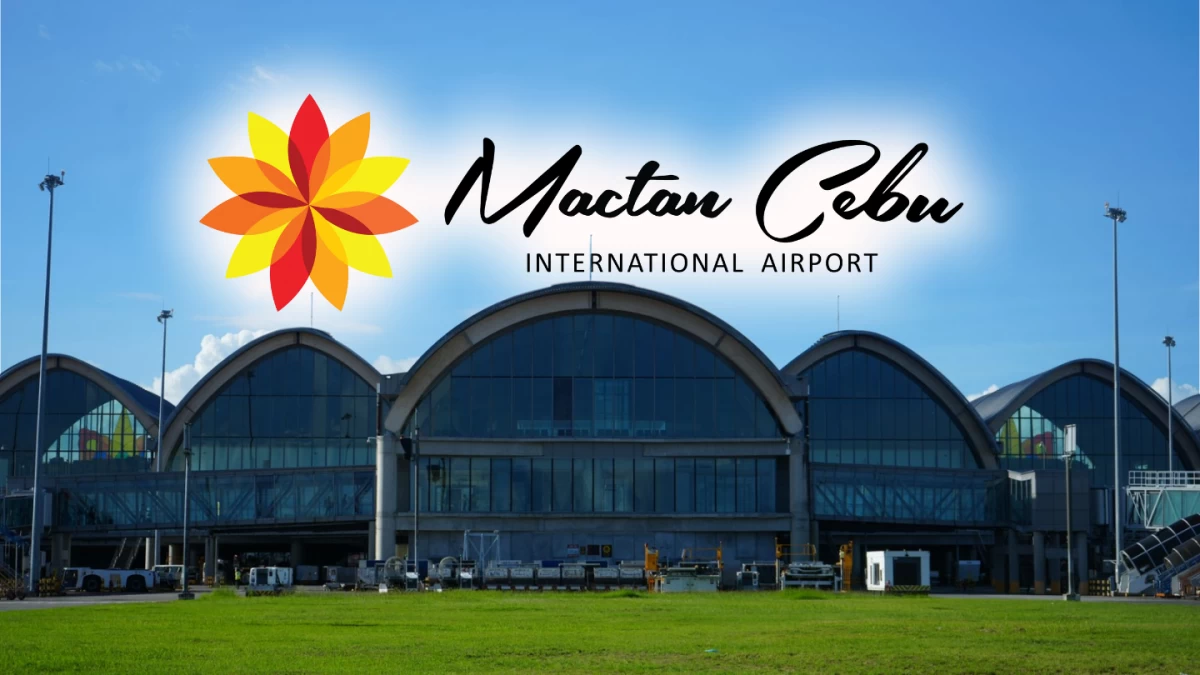
Mactan-Cebu International Airport set a monthly traffic record to start the year amid robust recovery in regional travel and the successful expansion of the gateway’s international network.
The Philippines’ second-busiest airport handled 1.3 million passengers in January, a 15 percent increase from the 1.1 million recorded in the same month in 2025. The performance marked the highest single-month passenger volume in the facility’s history, according to data released by the airport’s operators.
The surge was driven by a significant uptick in foreign arrivals, with international traffic jumping 25 percent year-on-year. Domestic travel also remained healthy, posting a 12 percent increase over the previous year's figures.
While the annual Sinulog festival—a major cultural draw for tourists and overseas Filipinos—provided a seasonal boost, officials attributed the long-term growth to a strategic diversification of the airport’s airline portfolio.
Throughout 2025, Mactan-Cebu introduced eight new routes and secured partnerships with several foreign carriers, including Jetstar Airways, Vietnam Airlines, Firefly Airlines, and Aero-K. These additions have deepened the central Philippine hub's integration into the Asia-Pacific aviation network, providing direct links to cities such as Hanoi, Cheongju, Brisbane, and Macau.
Athanasios Titonis, chief executive officer of Aboitiz InfraCapital Cebu Airport Corp., said the record-breaking start to 2026 validates the company's efforts to position Cebu as a premier global transit hub.
Titonis noted that the expansion of the airport’s network is yielding tangible results and that the company remains committed to maintaining high efficiency standards for the growing passenger base.
The airport’s growth reflects a broader trend of private-public synergy in Philippine infrastructure. Julius G. Neri Jr., general manager and CEO of the Mactan-Cebu International Airport Authority, said the figures highlight the success of collaborative efforts to market the province as an ideal entry point for the archipelago.
To manage the increased volume, the airport has focused on operational innovations such as “CEBConnects,” a program designed to streamline transfers for passengers using Cebu as a hub to reach other destinations in the Philippines.
Looking ahead, the airport’s management remains optimistic that the upward trajectory will persist as more infrastructure enhancements and route launches are scheduled for the remainder of 2026. The facility’s ability to scale operations will be critical as it seeks to capture a larger share of the regional tourism market.