

ADVERTISEMENT

AIRA Labs to unveil next-generation command center, marking it as an AI key player to watch in 2026

Published Feb 5, 2026 03:11 pm
Even ahead of its official launch, the AIRA Command Center is emerging as the defining benchmark for applied AI in Southeast Asia. While much of the industry has remained in the experimental phase, AIRA Labs has moved directly into mission-critical execution. Some government units and companies have already adopted AIRA as their foundational command and control platform to bridge the gap between raw data and real-time operational intelligence.
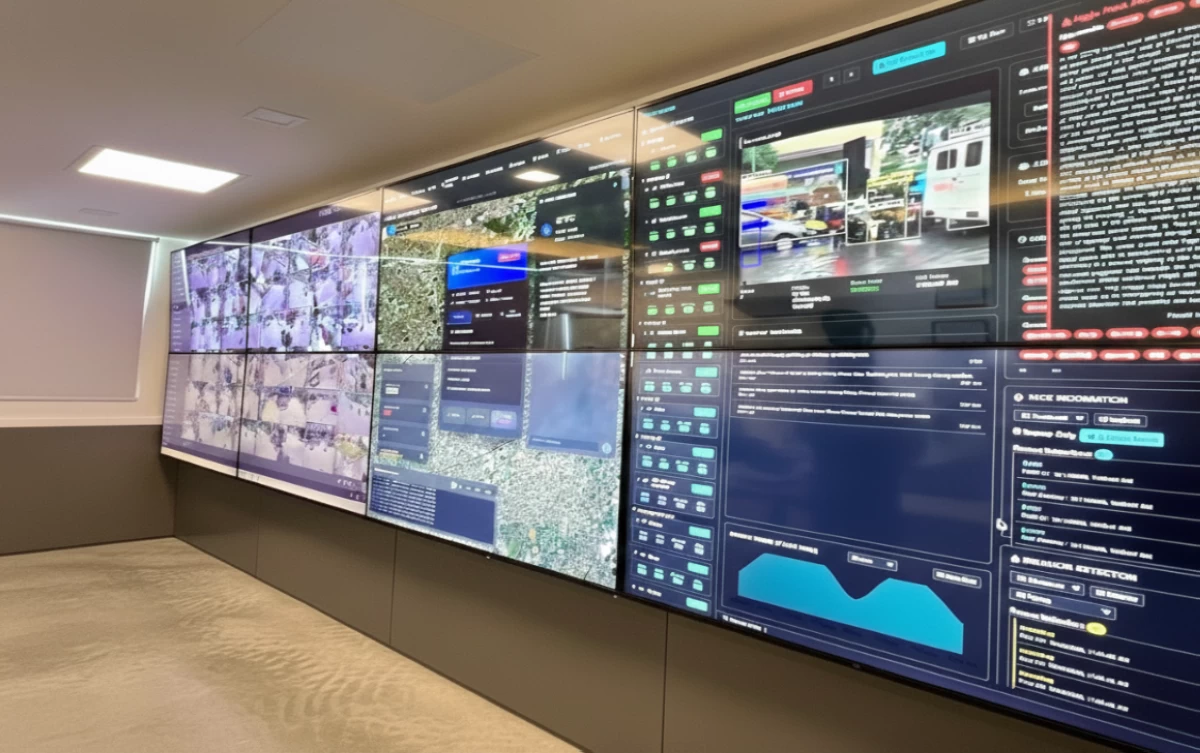
The platform is already drawing significant regional interest from organizations outside the Philippines, signaling AIRA Labs’ trajectory as a primary driver of the country’s tech sovereignty and its most anticipated AI export for 2026.
From Smart City to Hyper-Intelligent City
The momentum behind AIRA Labs follows the landmark announcement by Former Vice-President and current Naga City Mayor, Hon. Ma. Leonor “Leni” Robredo, regarding the deployment of the city’s AI-powered Command Center operations. Developed in strategic partnership with AIRA Labs, this initiative is already transforming Naga City into a national trailblazer for hyper-intelligent governance, moving from reactive crisis management to predictive, data-driven leadership. The AIRA COMMAND CENTER features multilingual natural language incident reporting, real time dispatch and response, computer vision tools, sensor integrations (such as for weather, flood, air quality, earthquake), disaster response tools, AI powered data predictive analysis, agentic AI interfaces, and advanced geospatial tool, making it one of the most advanced AI platforms in the country.
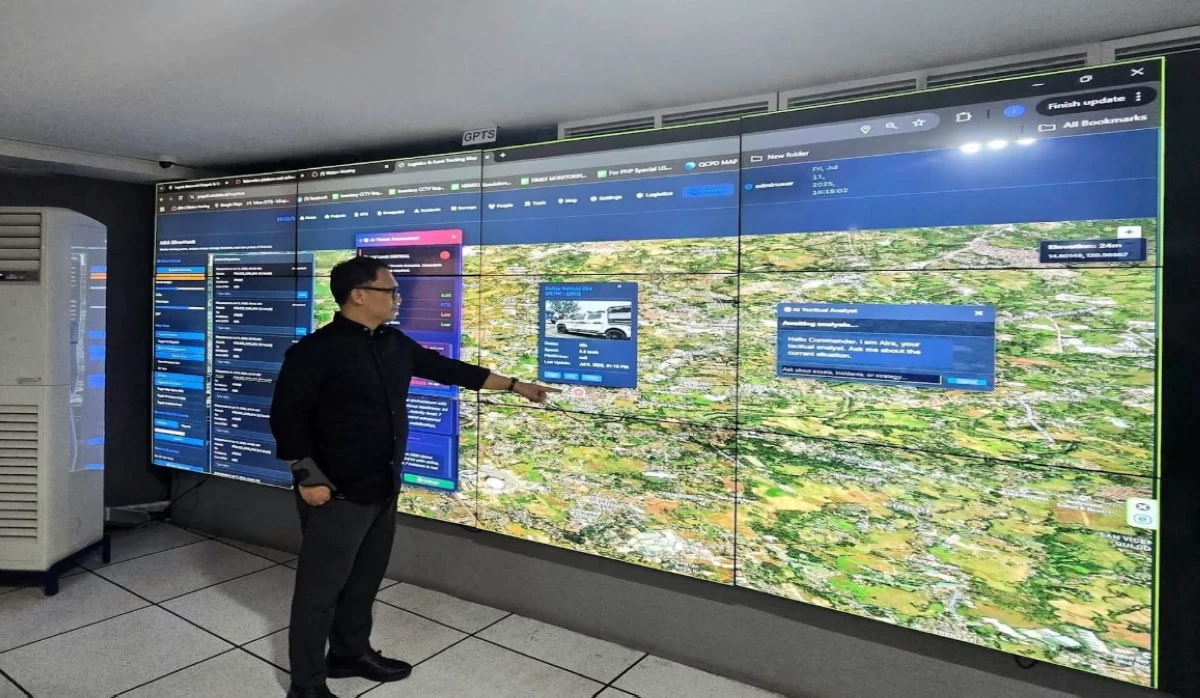
To mark this turning point, AIRA Labs will host the official launch of the AIRA Command Center platform on February 27, 2026. Delivering the keynote address, Hon. Mayor Leni Robredo will share insights into how this technology is currently strengthening data-driven decision making, institutional resilience, improving disaster response, and protecting communities through AI in Naga City.
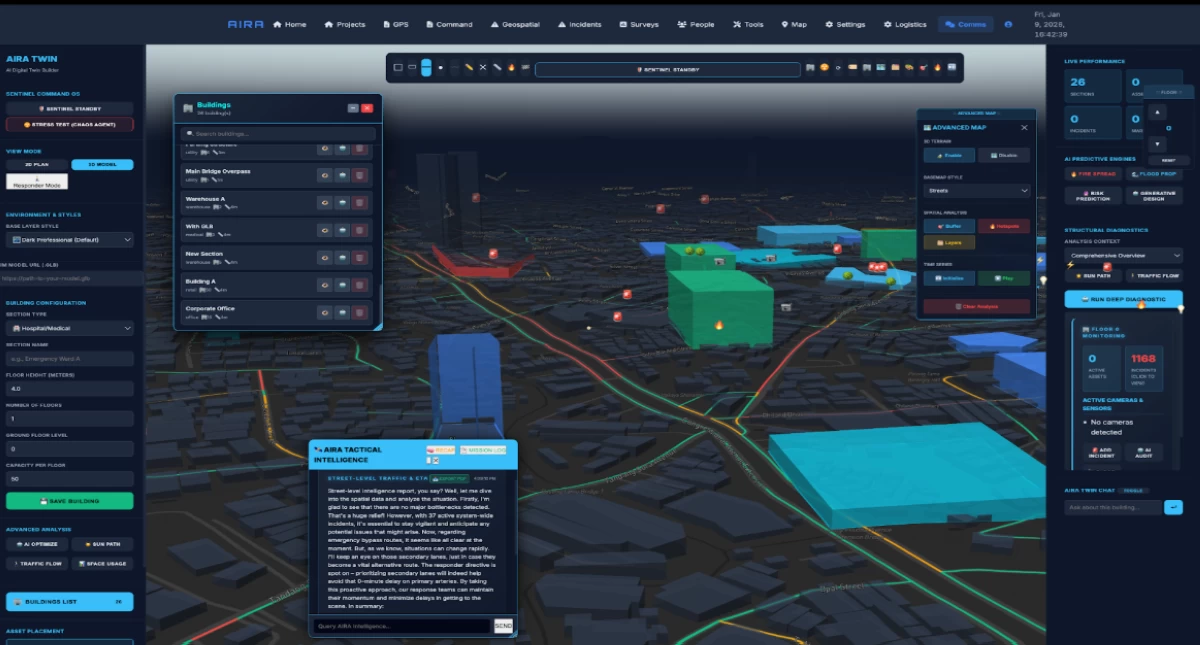
The AIRA Team: Built for Public Sector Scale and Enterprise Intelligence
Led by a specialized AIRA Team of experts in real-time systems, computer vision, and applied data science, the platform is engineered to serve both the public and private sectors. From city-wide safety frameworks to high-stakes enterprise logistics and supply chain optimization, AIRA provides the "central nervous system" required for organizations to operate with absolute clarity.
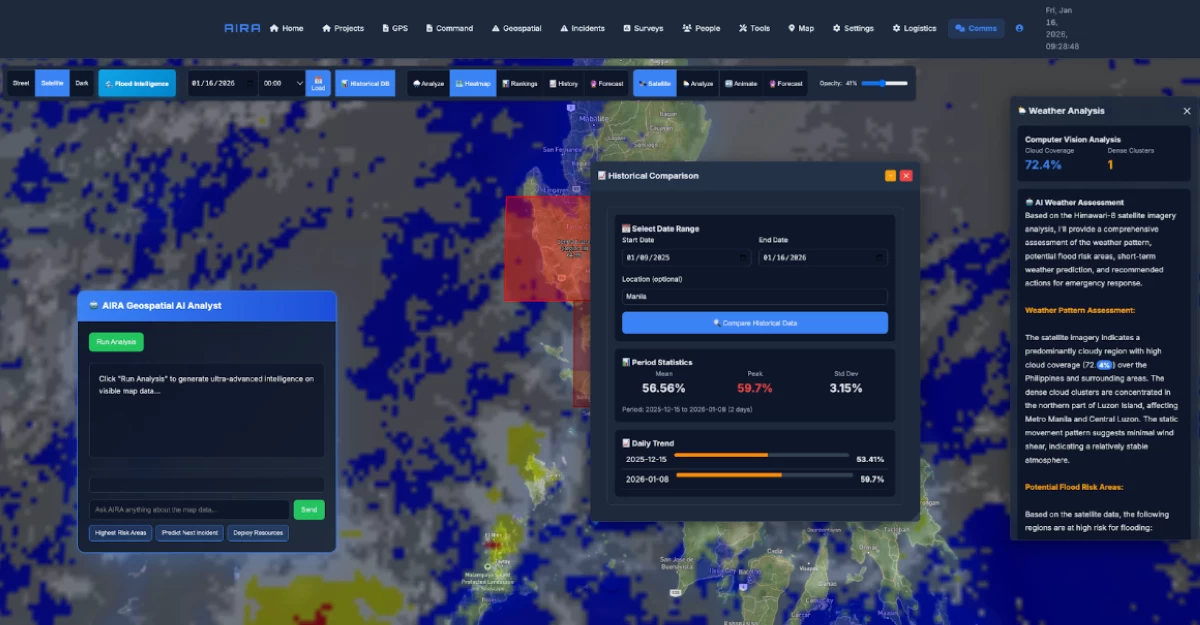
The launch on February 27 represents more than a product debut; it signals AIRA Labs' arrival as a defining force in the global AI landscape. For investors, talent, and visionary leaders, the message is clear: the most consequential AI developments of 2026 are happening at AIRA Labs.
ADVERTISEMENT
.most-popular .layout-ratio{ padding-bottom: 79.13%; } @media (min-width: 768px) and (max-width: 1024px) { .widget-title { font-size: 15px !important; } }

{{ articles_filter_1561_widget.title }}

.most-popular .layout-ratio{ padding-bottom: 79.13%; } @media (min-width: 768px) and (max-width: 1024px) { .widget-title { font-size: 15px !important; } }

{{ articles_filter_1562_widget.title }}

.most-popular .layout-ratio{ padding-bottom: 79.13%; } @media (min-width: 768px) and (max-width: 1024px) { .widget-title { font-size: 15px !important; } }

{{ articles_filter_1563_widget.title }}

{{ articles_filter_1564_widget.title }}

.mb-article-details { position: relative; } .mb-article-details .article-body-preview, .mb-article-details .article-body-summary{ font-size: 17px; line-height: 30px; font-family: "Libre Caslon Text", serif; color: #000; } .mb-article-details .article-body-preview iframe , .mb-article-details .article-body-summary iframe{ width: 100%; margin: auto; } .read-more-background { background: linear-gradient(180deg, color(display-p3 1.000 1.000 1.000 / 0) 13.75%, color(display-p3 1.000 1.000 1.000 / 0.8) 30.79%, color(display-p3 1.000 1.000 1.000) 72.5%); position: absolute; height: 200px; width: 100%; bottom: 0; display: flex; justify-content: center; align-items: center; padding: 0; } .read-more-background a{ color: #000; } .read-more-btn { padding: 17px 45px; font-family: Inter; font-weight: 700; font-size: 18px; line-height: 16px; text-align: center; vertical-align: middle; border: 1px solid black; background-color: white; } .hidden { display: none; }
function initializeAllSwipers() { // Get all hidden inputs with cms_article_id document.querySelectorAll('[id^="cms_article_id_"]').forEach(function (input) { const cmsArticleId = input.value; const articleSelector = '#article-' + cmsArticleId + ' .body_images'; const swiperElement = document.querySelector(articleSelector); if (swiperElement && !swiperElement.classList.contains('swiper-initialized')) { new Swiper(articleSelector, { loop: true, pagination: false, navigation: { nextEl: '#article-' + cmsArticleId + ' .swiper-button-next', prevEl: '#article-' + cmsArticleId + ' .swiper-button-prev', }, }); } }); } setTimeout(initializeAllSwipers, 3000); const intersectionObserver = new IntersectionObserver( (entries) => { entries.forEach((entry) => { if (entry.isIntersecting) { const newUrl = entry.target.getAttribute("data-url"); if (newUrl) { history.pushState(null, null, newUrl); let article = entry.target; // Extract metadata const author = article.querySelector('.author-section').textContent.replace('By', '').trim(); const section = article.querySelector('.section-info ').textContent.replace(' ', ' '); const title = article.querySelector('.article-title h1').textContent; // Parse URL for Chartbeat path format const parsedUrl = new URL(newUrl, window.location.origin); const cleanUrl = parsedUrl.host + parsedUrl.pathname; // Update Chartbeat configuration if (typeof window._sf_async_config !== 'undefined') { window._sf_async_config.path = cleanUrl; window._sf_async_config.sections = section; window._sf_async_config.authors = author; } // Track virtual page view with Chartbeat if (typeof pSUPERFLY !== 'undefined' && typeof pSUPERFLY.virtualPage === 'function') { try { pSUPERFLY.virtualPage({ path: cleanUrl, title: title, sections: section, authors: author }); } catch (error) { console.error('ping error', error); } } // Optional: Update document title if (title && title !== document.title) { document.title = title; } } } }); }, { threshold: 0.1 } ); function showArticleBody(button) { const article = button.closest("article"); const summary = article.querySelector(".article-body-summary"); const body = article.querySelector(".article-body-preview"); const readMoreSection = article.querySelector(".read-more-background"); // Hide summary and read-more section summary.style.display = "none"; readMoreSection.style.display = "none"; // Show the full article body body.classList.remove("hidden"); } document.addEventListener("DOMContentLoaded", () => { let loadCount = 0; // Track how many times articles are loaded const offset = [1, 2, 3, 4, 5, 6, 7, 8, 9, 10]; // Offset values const currentUrl = window.location.pathname.substring(1); let isLoading = false; // Prevent multiple calls if (!currentUrl) { console.log("Current URL is invalid."); return; } const sentinel = document.getElementById("load-more-sentinel"); if (!sentinel) { console.log("Sentinel element not found."); return; } function isSentinelVisible() { const rect = sentinel.getBoundingClientRect(); return ( rect.top < window.innerHeight && rect.bottom >= 0 ); } function onScroll() { if (isLoading) return; if (isSentinelVisible()) { if (loadCount >= offset.length) { console.log("Maximum load attempts reached."); window.removeEventListener("scroll", onScroll); return; } isLoading = true; const currentOffset = offset[loadCount]; window.loadMoreItems().then(() => { let article = document.querySelector('#widget_1690 > div:nth-last-of-type(2) article'); intersectionObserver.observe(article) loadCount++; }).catch(error => { console.error("Error loading more items:", error); }).finally(() => { isLoading = false; }); } } window.addEventListener("scroll", onScroll); });

Sign up by email to receive news.