






 Business
Banking & Finance
Landbank sets record ₱44-billion net income in 2025 on interest earnings
Business
Banking & Finance
Landbank sets record ₱44-billion net income in 2025 on interest earnings
Landbank sets record ₱44-billion net income in 2025 on interest earnings
By Derco Rosal


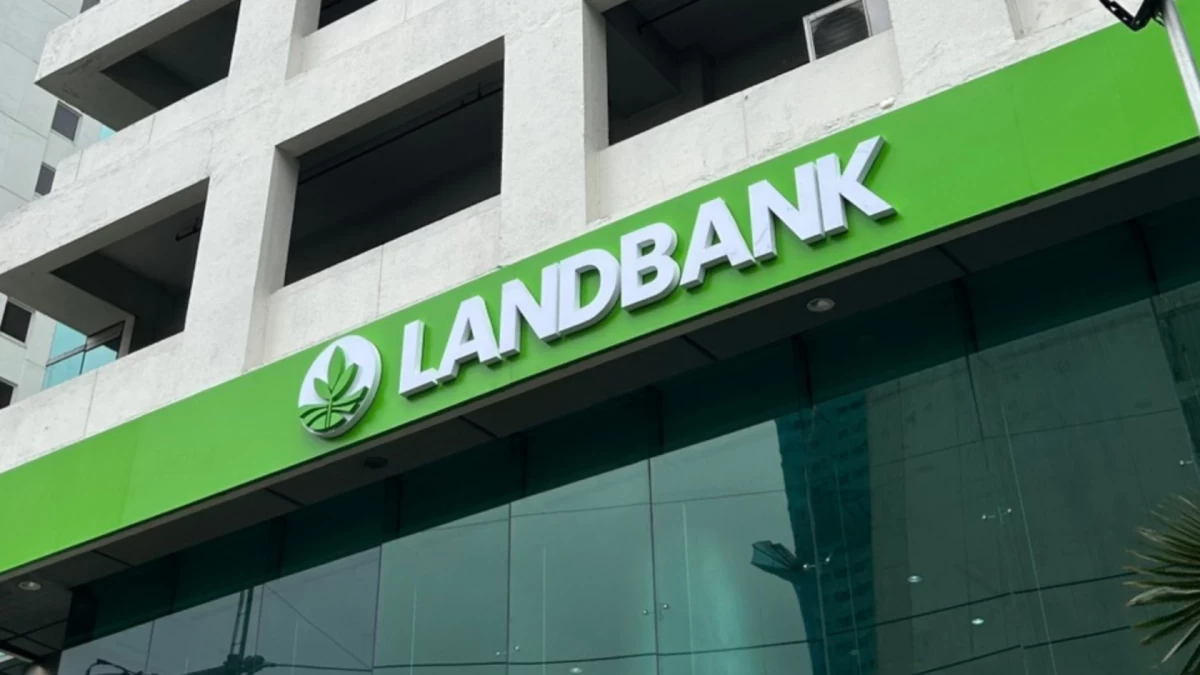
State-run Land Bank of the Philippines (Landbank) posted a record net income of ₱44 billion in 2025, up by nearly a quarter from ₱40.3 billion in 2024, when the lender first breached the ₱40-billion mark.
According to the Department of Finance (DOF), the 24-percent jump in net income reflects Landbank’s “disciplined financial management.”
Total assets reached a record ₱3.52 trillion, up three percent from ₱3.43 trillion a year earlier, while total deposits also climbed to a new high of ₱3.11 trillion, the DOF reported.
“This improved performance enables the bank to lend more at affordable rates—directly benefiting priority sectors while advancing countryside development and translating financial strength into inclusive growth,” DOF Secretary and Landbank Chair Frederick D. Go said in a statement on Wednesday, Feb. 4.
Data showed that the state-run lender’s strong performance was mainly propelled by interest income of ₱152.7 billion, “on the back of higher returns on loans and stronger fixed-income earnings from investments.”
Echoing the DOF chief’s remarks, Landbank President and Chief Executive Officer (CEO) Lynette V. Ortiz said the lender’s “strong financial performance allows us to extend affordable and accessible financing to Filipinos, especially to farmers, fishers, and the entire agricultural value chain.”
“By strengthening primary production and scaling value-adding activities, we promote food security and drive inclusive, sustainable growth,” Ortiz added.
As of December 2025, Landbank’s Agriculture, Fisheries, and Rural Development (AFRD) loan portfolio reached ₱896.6 billion.
According to the DOF, this segment now accounts for more than half, or 53.5 percent, of the bank’s total loan portfolio of ₱1.68 trillion, cementing Landbank’s position as the country’s top lender to the agriculture sector.
Asset quality also improved last year, reflecting strong risk management and recovery efforts, even as the bank continued to expand lending to priority sectors.