







DOT seeks airfare reforms amid rising cost of domestic travel
By Trixee Rosel
Published Feb 4, 2026 12:57 pm
|
Updated Feb 4, 2026 01:44 pm


At A Glance
- DOT seeks stricter airline regulation and transparency as domestic airfares rise.
- DOT Secretary Garcia-Frasco urges closer oversight by the Civil Aeronautics Board.
- Over 134 million local trips recorded in 2024, the highest in Southeast Asia.
- High fares and limited airport capacity threaten accessibility to regional destinations.
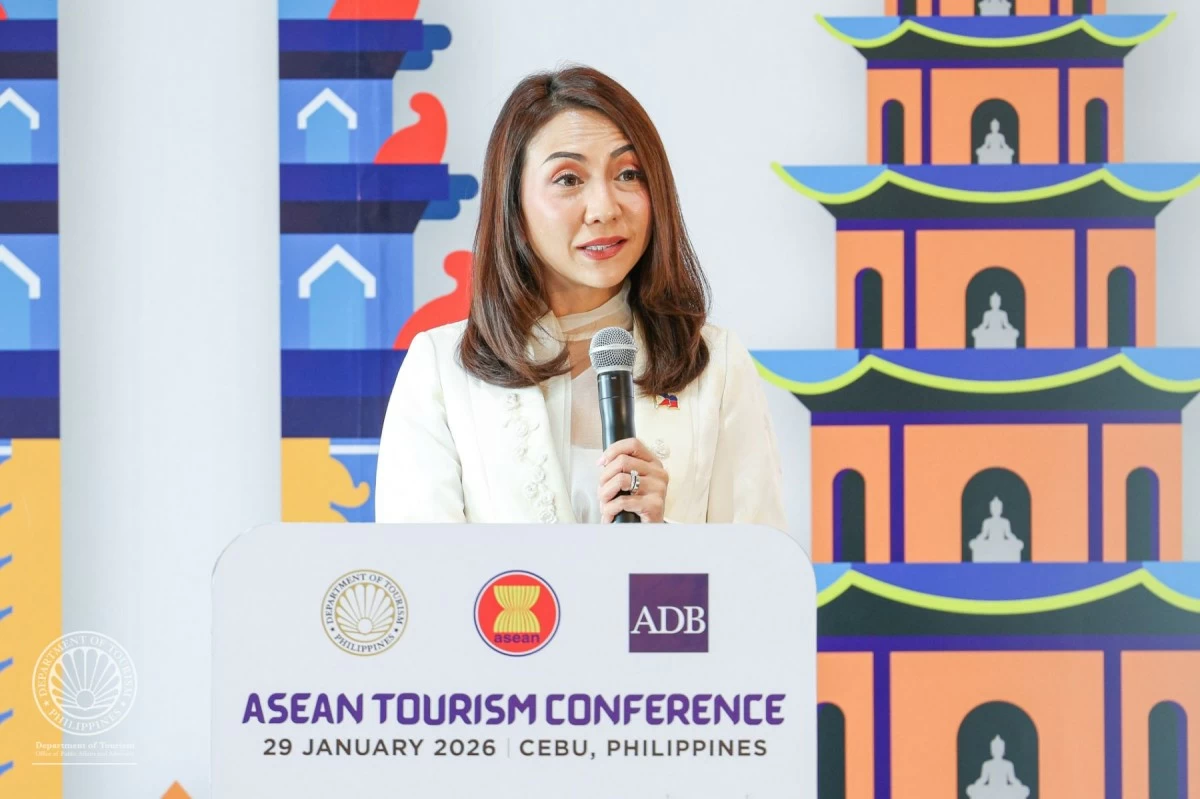
Department of Tourism (DOT) Secretary Christina Garcia-Frasco (Photo courtesy of DOT)
The Department of Tourism (DOT) is pushing for stronger regulation and greater transparency in airline pricing as rising airfares threaten to curb domestic travel despite record-high tourism demand nationwide.
DOT Secretary Christina Garcia-Frasco raised the call during a Senate Committee on Tourism hearing on Tuesday, urging regulators to keep air travel affordable and accessible to Filipinos.
Frasco stressed the need for the clear and transparent publication of just and reasonable airfare rates, as required by law.
She said closer scrutiny by the Civil Aeronautics Board (CAB) is needed to address growing public concern over escalating ticket prices.
The tourism chief emphasized that airlines, as holders of public franchises, have a responsibility to balance commercial interests with public service.
She cited Republic Act No. 11682, which places airline operations under government regulation to ensure fair and transparent pricing.
“We are one with the Filipino public in calling for a comprehensive approach towards managing ticket prices, improving infrastructure, and enhancing accessibility overall,” Frasco said.
Pressure on domestic travel
Domestic tourism remains a backbone of the Philippine economy.
More than 134 million local trips were recorded in 2024, valued at over $70 billion, surpassing pre-pandemic levels and marking the highest domestic tourism share in Southeast Asia.
Despite the surge, senators and industry stakeholders warned that persistent accessibility challenges—particularly high airfares—could undermine the sustainability of domestic travel, especially to island and regional destinations.
Senate Committee on Tourism chair Sen. JV Ejercito said expensive airfares often reflect inadequate facilities and neglected infrastructure.
He called for a long-term development plan to ensure airports, seaports, and transport hubs meet global standards beyond political cycles.
Air Carriers Association of the Philippines representative Jose Enriquez Perez de Tagle cited higher airport fees, taxes, and routing limitations as factors driving up ticket prices.
He added that restricted runway capacity at several domestic airports limits aircraft size and flight frequency.
Destinations such as Siargao, Palawan, and Basco remain largely dependent on turboprop aircraft, which constrains seat supply and pushes fares higher.
Government coordination
To address airfare concerns, the DOT continues to coordinate with the CAB, Department of Transportation (DOTr), Department of Trade and Industry (DTI), and the Philippine Competition Commission (PCC).
The effort aims to align regulation, infrastructure development, and consumer protection.
Frasco said the DOT has requested the CAB to present a monthly airline ticket pricing index to enhance transparency.
She added that the index could prevent sudden market shocks and allow regulators to explore possible fare ceilings.
“Without strict implementation and without revisiting airline deregulation, it is very difficult for the DOT to manage a matter that is simply not within its mandate,” Frasco said.
The tourism chief noted that in 2025 alone, the DOT supported the launch of 23 new international flights linking major gateways such as Manila, Cebu, Clark, Iloilo, and Kalibo to overseas cities.
She said affordable domestic connectivity is crucial in dispersing tourists nationwide and maximizing the impact of international arrivals.
Sen. Loren Legarda stressed that airfare, infrastructure, and security issues require a whole-of-government approach.She added that the DOT cannot address these challenges on its own.
“They are not the ones who allocate budgets or build airports—this is why we need to support them,” Legarda said, warning that high travel costs and negative perceptions could discourage visits even to the country’s top destinations.
Security concerns were also raised during the hearing.
Sen. Erwin Tulfo noted that peace and order issues—particularly those affecting arrivals from South Korea—fall under law enforcement agencies.
He said these concerns directly influence tourism demand and traveler confidence.