






 Philippines
National
'Public office is a public trust': Legarda backs DILG's anti-epal policy
Philippines
National
'Public office is a public trust': Legarda backs DILG's anti-epal policy
'Public office is a public trust': Legarda backs DILG's anti-epal policy


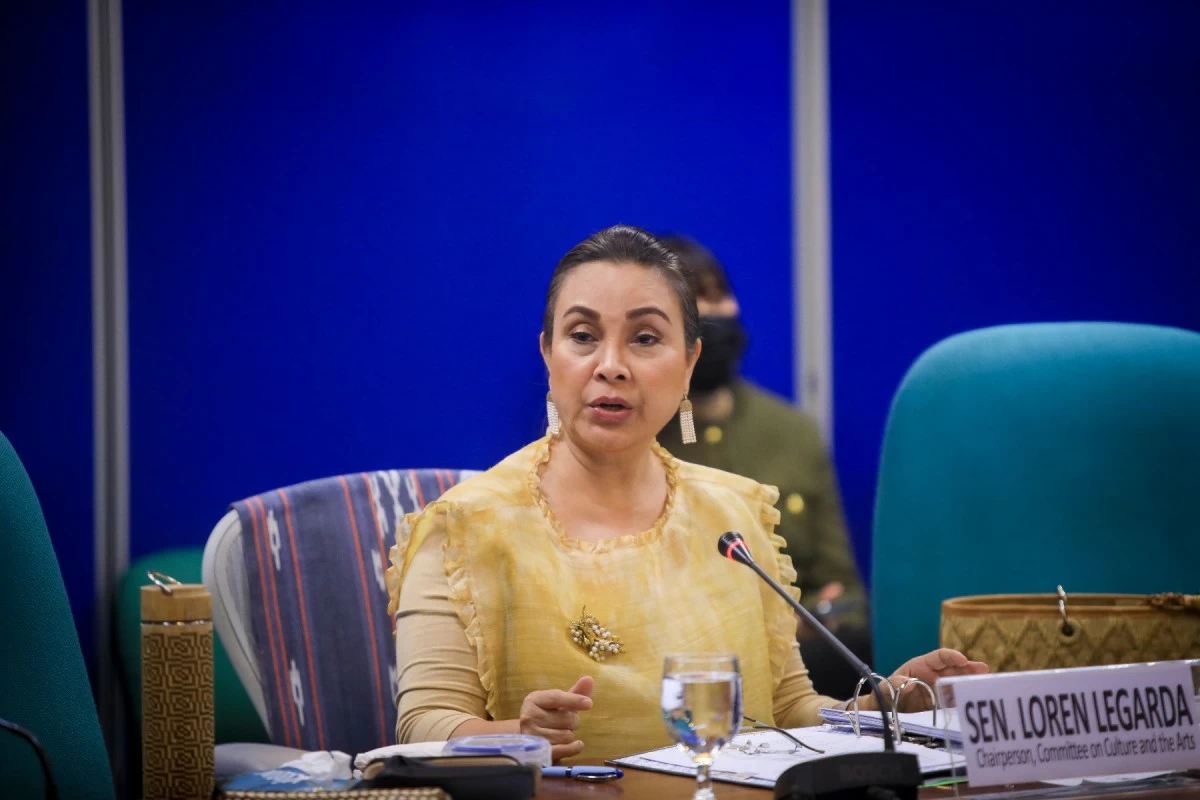
The DILG’s latest directive is a decisive step toward restoring integrity in governance and a reminder to public servants that public office is a trust, not a platform for self
“Public office is a public trust. Public funds are for public service, not for personal publicity,” Legarda said as she welcomed the DILG memorandum directing all levels of government to strip personal branding from billboards, markers, tarpaulins, vehicles, and other properties funded by taxpayers’ money.
“What should have been allocated to education, nutrition, healthcare, livelihood, and essential social services is instead squandered on vanity projects that serve no one but the officials themselves,” Legarda stressed.
“This is not simply the misuse of public funds for personal gain. It is theft from the people, a betrayal of trust. If that is not ‘epal’ in its truest sense, I do not know what is,” she reiterated.
In the absence of an enabling statute, the senator noted that government agencies have long sought to uphold integrity through administrative issuances.
In 2010, the DILG prohibited billboards and signage bearing the names or images of officials on government projects. Three years later, the Commission on Audit (COA) declared such practices improper and disallowed them as unnecessary expenditures.
In 2019, the DILG reinforced this principle by directing local officials to refrain from appearing in the distribution of government programs. Most recently, the General Appropriations Act of 2026 expressly prohibited public officials and politicians from influencing or participating in the distribution of government aid.
Legarda, who earlier filed Senate Bill No. 1716 or the “Anti
SB No. 1716, she said, prohibits public officials from affixing their names, images, or personal identifiers to government programs and projects, ensuring that government resources are used solely for the benefit of the people.
Moreover, the bill also seeks to establish “Anti
“We can only stop this practice if we put in place reporting mechanisms for the general public. The citizens themselves must be able to call out and report violations,” Legarda said.