ADVERTISEMENT

AFP, US set large-scale drills in West Philippine Sea for 2 months

Published Feb 3, 2026 03:15 pm
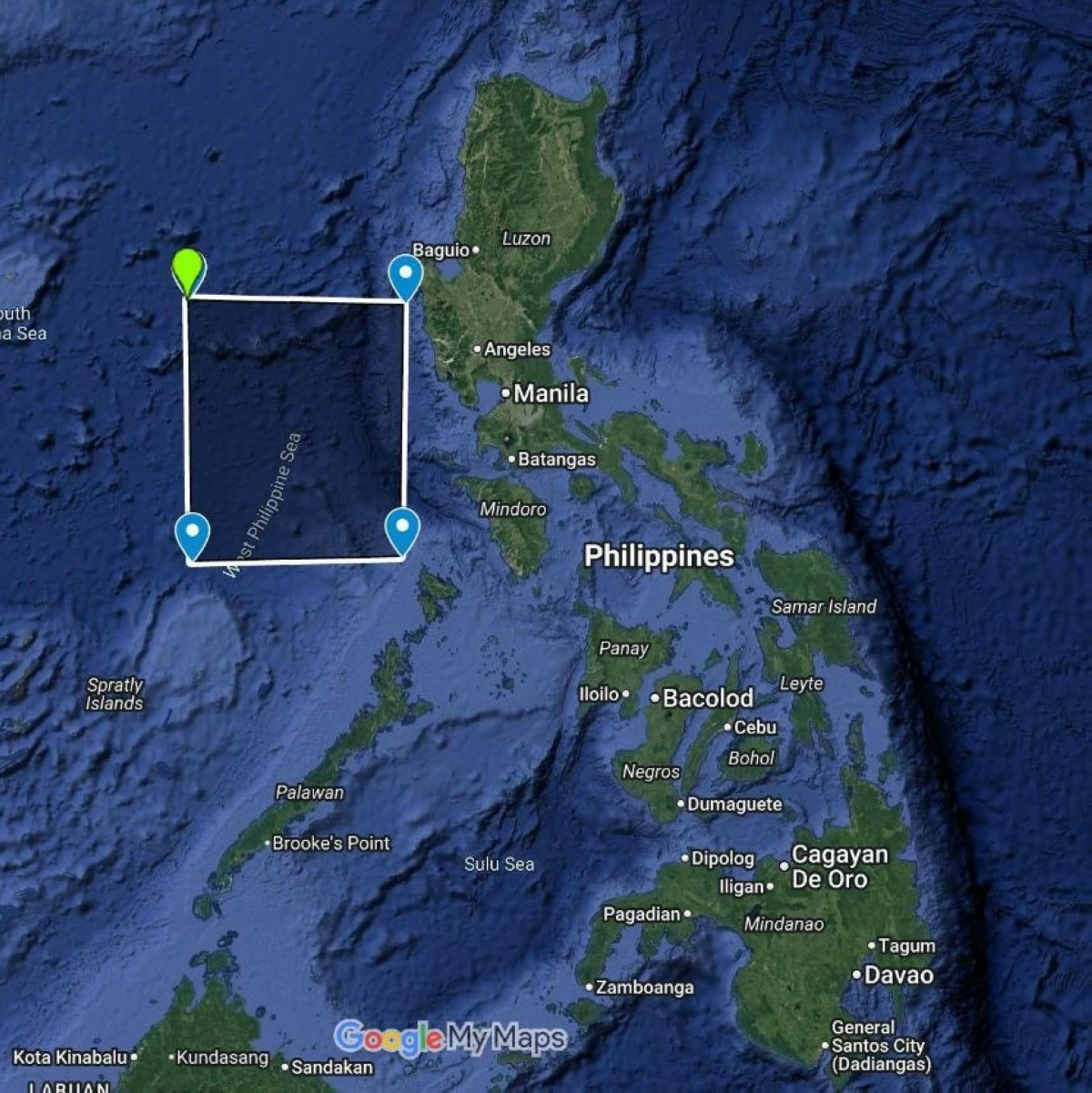
The Armed Forces of the Philippines (AFP) and the United States military will conduct large-scale exercises in the West Philippine Sea (WPS) for two months, with a Notice to Airmen (NOTAM) covering the period of January. 21 to March 31, 2026. (Courtesy of Rear Adm. Roy Vincent Trinidad)
The Armed Forces of the Philippines (AFP) will conduct a series of large-scale military activities with the United States in the West Philippine Sea (WPS) for two months, it was confirmed on Tuesday, Feb. 3.
Rear Adm. Roy Vincent Trinidad, AFP spokesperson for WPS, said the exercises will take place inside areas “well within our EEZ [exclusive economic zone], where we have sovereignty, sovereign rights, and jurisdiction.”
The activities are covered by a Notice to Airmen (NOTAM) that runs from Jan. 21 to March 31, and Trinidad said the notice authorizes the AFP and its treaty ally to conduct multiple activities during the period.
“This is an authority for the AFP and our treaty ally to conduct activities within that period covered. Instead of repeatedly requesting notices for every activity, the coverage was made broader so that all activities within that time frame are already covered,” he explained.
China has accused Manila of “stoking tensions” in the South China Sea with the large-scale exercises. It vowed to send its coast guard and naval forces to exert pressure on Philippine maritime forces during the exercise.
The exercise area includes the hotly-contested Bajo de Masinloc (Scarborough or Panatag Shoal), which lies 120 nautical miles west of Luzon or within the Philippines 200-nautical mile EEZ.
However, China claims historic rights over Scarborough Shoal, which is approximately 600 nautical miles from its mainland, using its so-called nine-dash-line maritime boundary.
A 2016 arbitral ruling had invalidated China’s claims based on the United Nations Convention on the Law of the Sea (UNCLOS) but Beijing continues to assert its presence in the area.
For Trinidad, China’s accusations that the Philippines is stoking tension were “baseless.”
“No provision of international law supports their claim or their accusation,” he said.
Further, Trinidad said the exercises are pre-scheduled, duly coordinated, and approved. He added that more notices will be issued in the coming months.
The AFP official also clarified that the NOTAM is not an exclusion zone by default, rather it is meant to inform aircraft transiting the area that military activities may be ongoing.
“This is a notice to airmen passing that area not to be surprised if they notice certain aircraft performing certain activities,” Trinidad said. “Aircraft transiting the area are reminded to get in touch with the appropriate authorities so as not to cause undue alarm.”
If live-fire exercises are conducted, Trinidad said exclusion zones will be declared separately. The size of these zones will depend on the weapons involved.
Chinese presence in WPS
The AFP’s announcement came as it reported heightened maritime monitoring of Chinese activities in the WPS in January.
From Jan. 1 to 31, the AFP monitored a total of 19,655 vessels across the country’s maritime domain. Of these, 16,670 were foreign vessels and 2,985 were domestic.
The AFP said a total of 16,098 vessels responded to radio challenges while 3,557 did not.
Vessel activity was highest in Northern Luzon with 7,639 monitored ships; Western Mindanao followed with 4,366; WPS logged 3,990; Southern Luzon recorded 2,482; and Eastern Mindanao had 1,178.
For the past week, the AFP also monitored 48 vessels from the Chinese People’s Liberation Army Navy (PLA-N) and the China Coast Guard (CCG) in key features in the WPS.
The AFP said that there were 10 PLA Navy ships and 11 CCG vessels in Bajo de Masinloc; 12 CCg ships in Ayungin Shoal; three PLA Navy and five CCG vessels in Escoda Shoal; and two PLA Navy and five CCG ships in Pag-asa Island.
Trinidad said the presence of Chinese vessels is sometimes framed as “combat readiness patrols” or exercises but he disputed this narrative.
“What was monitored was the illegal presence of their ships. Such presence is sometimes steered into false narratives of exercises,” he clarified.

Related Tags

AFP United States West Philippine Sea large-scale exercise
ADVERTISEMENT
.most-popular .layout-ratio{ padding-bottom: 79.13%; } @media (min-width: 768px) and (max-width: 1024px) { .widget-title { font-size: 15px !important; } }

{{ articles_filter_1561_widget.title }}

.most-popular .layout-ratio{ padding-bottom: 79.13%; } @media (min-width: 768px) and (max-width: 1024px) { .widget-title { font-size: 15px !important; } }

{{ articles_filter_1562_widget.title }}

.most-popular .layout-ratio{ padding-bottom: 79.13%; } @media (min-width: 768px) and (max-width: 1024px) { .widget-title { font-size: 15px !important; } }

{{ articles_filter_1563_widget.title }}

{{ articles_filter_1564_widget.title }}

.mb-article-details { position: relative; } .mb-article-details .article-body-preview, .mb-article-details .article-body-summary{ font-size: 17px; line-height: 30px; font-family: "Libre Caslon Text", serif; color: #000; } .mb-article-details .article-body-preview iframe , .mb-article-details .article-body-summary iframe{ width: 100%; margin: auto; } .read-more-background { background: linear-gradient(180deg, color(display-p3 1.000 1.000 1.000 / 0) 13.75%, color(display-p3 1.000 1.000 1.000 / 0.8) 30.79%, color(display-p3 1.000 1.000 1.000) 72.5%); position: absolute; height: 200px; width: 100%; bottom: 0; display: flex; justify-content: center; align-items: center; padding: 0; } .read-more-background a{ color: #000; } .read-more-btn { padding: 17px 45px; font-family: Inter; font-weight: 700; font-size: 18px; line-height: 16px; text-align: center; vertical-align: middle; border: 1px solid black; background-color: white; } .hidden { display: none; }
function initializeAllSwipers() { // Get all hidden inputs with cms_article_id document.querySelectorAll('[id^="cms_article_id_"]').forEach(function (input) { const cmsArticleId = input.value; const articleSelector = '#article-' + cmsArticleId + ' .body_images'; const swiperElement = document.querySelector(articleSelector); if (swiperElement && !swiperElement.classList.contains('swiper-initialized')) { new Swiper(articleSelector, { loop: true, pagination: false, navigation: { nextEl: '#article-' + cmsArticleId + ' .swiper-button-next', prevEl: '#article-' + cmsArticleId + ' .swiper-button-prev', }, }); } }); } setTimeout(initializeAllSwipers, 3000); const intersectionObserver = new IntersectionObserver( (entries) => { entries.forEach((entry) => { if (entry.isIntersecting) { const newUrl = entry.target.getAttribute("data-url"); if (newUrl) { history.pushState(null, null, newUrl); let article = entry.target; // Extract metadata const author = article.querySelector('.author-section').textContent.replace('By', '').trim(); const section = article.querySelector('.section-info ').textContent.replace(' ', ' '); const title = article.querySelector('.article-title h1').textContent; // Parse URL for Chartbeat path format const parsedUrl = new URL(newUrl, window.location.origin); const cleanUrl = parsedUrl.host + parsedUrl.pathname; // Update Chartbeat configuration if (typeof window._sf_async_config !== 'undefined') { window._sf_async_config.path = cleanUrl; window._sf_async_config.sections = section; window._sf_async_config.authors = author; } // Track virtual page view with Chartbeat if (typeof pSUPERFLY !== 'undefined' && typeof pSUPERFLY.virtualPage === 'function') { try { pSUPERFLY.virtualPage({ path: cleanUrl, title: title, sections: section, authors: author }); } catch (error) { console.error('ping error', error); } } // Optional: Update document title if (title && title !== document.title) { document.title = title; } } } }); }, { threshold: 0.1 } ); function showArticleBody(button) { const article = button.closest("article"); const summary = article.querySelector(".article-body-summary"); const body = article.querySelector(".article-body-preview"); const readMoreSection = article.querySelector(".read-more-background"); // Hide summary and read-more section summary.style.display = "none"; readMoreSection.style.display = "none"; // Show the full article body body.classList.remove("hidden"); } document.addEventListener("DOMContentLoaded", () => { let loadCount = 0; // Track how many times articles are loaded const offset = [1, 2, 3, 4, 5, 6, 7, 8, 9, 10]; // Offset values const currentUrl = window.location.pathname.substring(1); let isLoading = false; // Prevent multiple calls if (!currentUrl) { console.log("Current URL is invalid."); return; } const sentinel = document.getElementById("load-more-sentinel"); if (!sentinel) { console.log("Sentinel element not found."); return; } function isSentinelVisible() { const rect = sentinel.getBoundingClientRect(); return ( rect.top < window.innerHeight && rect.bottom >= 0 ); } function onScroll() { if (isLoading) return; if (isSentinelVisible()) { if (loadCount >= offset.length) { console.log("Maximum load attempts reached."); window.removeEventListener("scroll", onScroll); return; } isLoading = true; const currentOffset = offset[loadCount]; window.loadMoreItems().then(() => { let article = document.querySelector('#widget_1690 > div:nth-last-of-type(2) article'); intersectionObserver.observe(article) loadCount++; }).catch(error => { console.error("Error loading more items:", error); }).finally(() => { isLoading = false; }); } } window.addEventListener("scroll", onScroll); });

Sign up by email to receive news.