







Training better auto technicians
Auto brands chip in to help future mechanics
By Inigo Roces
Published Feb 2, 2026 04:02 am


At A Glance
- Servicing a vehicle requires technical knowledge and several years of training, especially now that vehicles are becoming more complex because of computer-controlled components.
- Two automotive brands, Isuzu and Honda, are already hard at work helping interested youths learn the complexities of the field and land jobs in this highly vital industry.
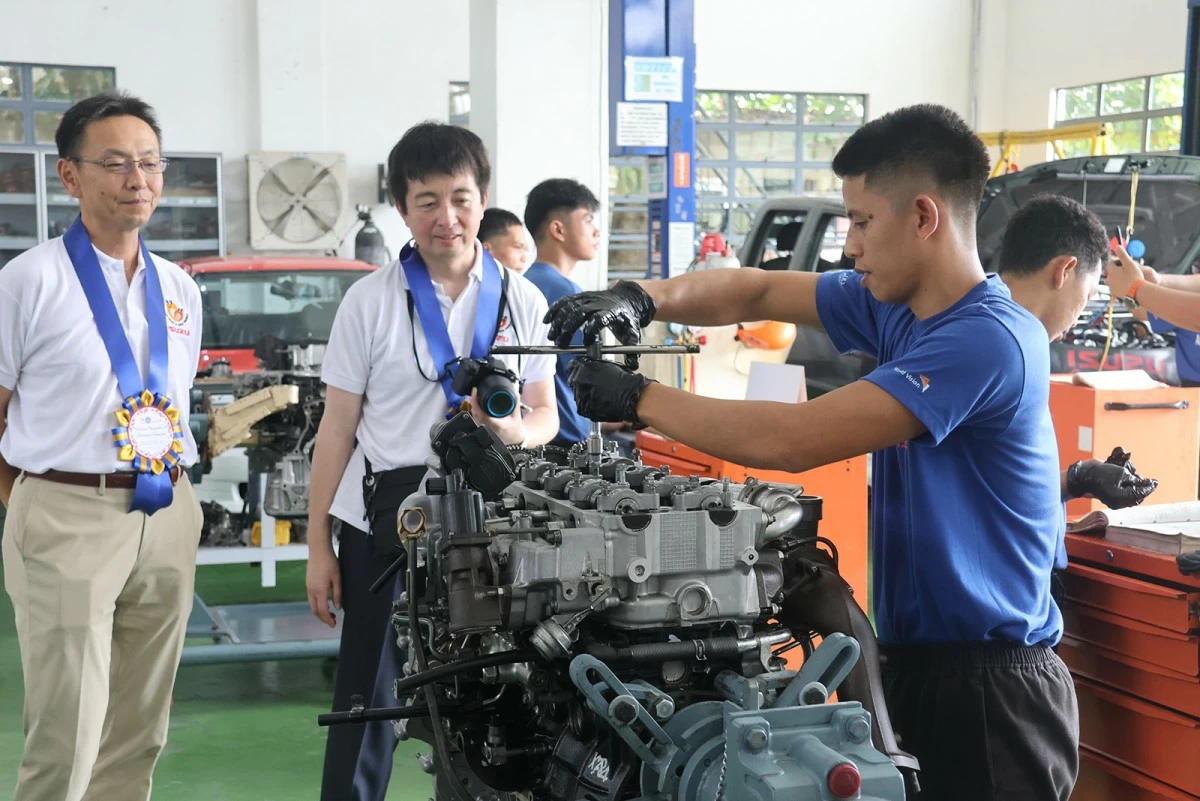
The automotive industry in the Philippine industry continues to grow. It’s certainly hard to ignore with the number of new brands that entered the country in just the past few years. However, another aspect that needs to grow too is the pool of auto technicians required to service all of these new vehicles hitting the road. You and I may have never realized the need for such, but thankfully, some of the country’s top automakers already have.
Servicing a vehicle is no small task. It requires technical knowledge and several years of training, especially now that vehicles are becoming more complex because of computer-controlled components. Nonetheless, two automotive brands are already hard at work helping interested youths learn the complexities of the field and land jobs in this highly vital industry.
Isuzu’s Heart and Smile Project
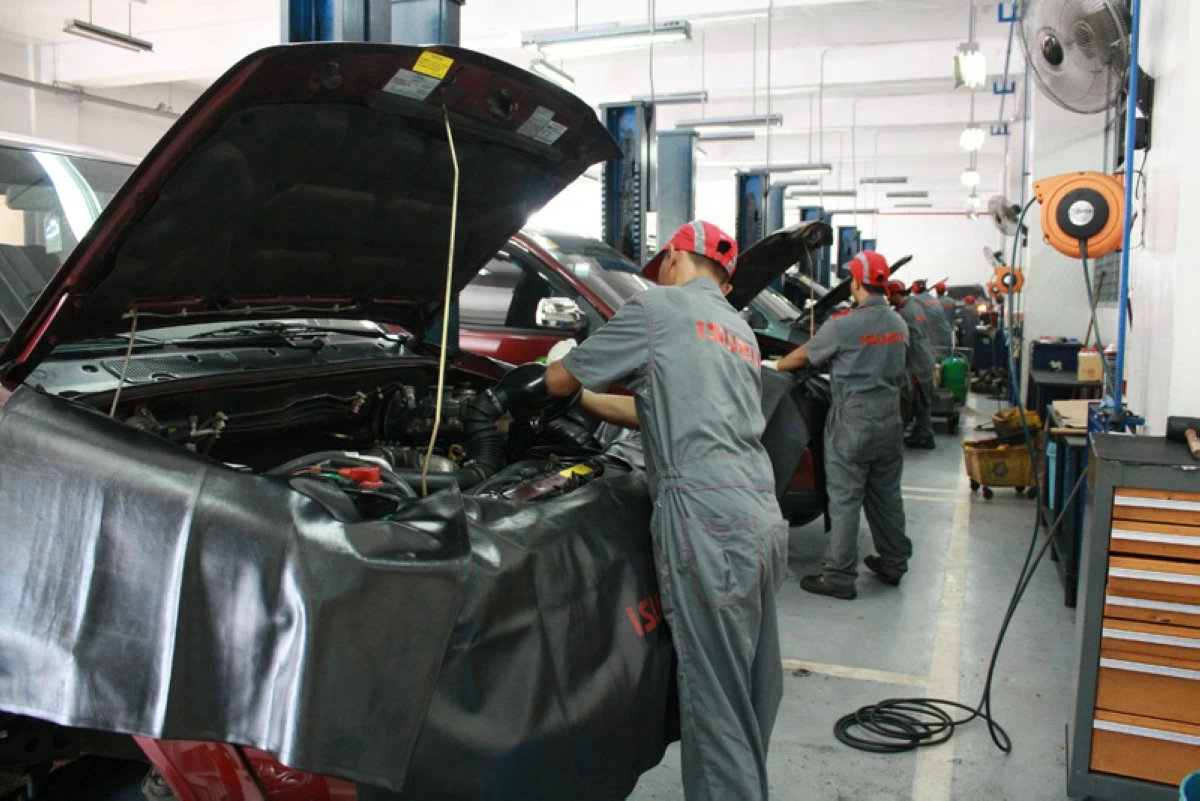
Among the longest running programs is the Isuzu Heart and Smile Project. It has been operating for 17 years and to date has produced over 455 Automotive Servicing graduates. Its Isuzu-TESDA Auto Mechanic Training Center in Tacloban, Leyte, puts scholars through a two-year Automotive Servicing Course. Manila Bulletin has been monitoring its progress over the years and continues to be inspired by Isuzu’s continued support.
The Isuzu Heart and Smile Project (IHSP) is a long-running educational aid initiative spearheaded by Isuzu Philippines Corporation (IPC) in collaboration with Isuzu Motors Limited Japan (IML), the Technical Education and Skills Development Authority (TESDA), and World Vision Philippines. Together, these partners have built a program that not only equips underprivileged youth with technical skills but also opens doors to sustainable employment and personal growth.
Since its inception in 2008, the Isuzu Heart and Smile Project provided holistic automotive education to over 455 underprivileged youths. The program is designed to support those with limited access to formal training, offering not just technical instruction but also opportunities for sustainable employment.
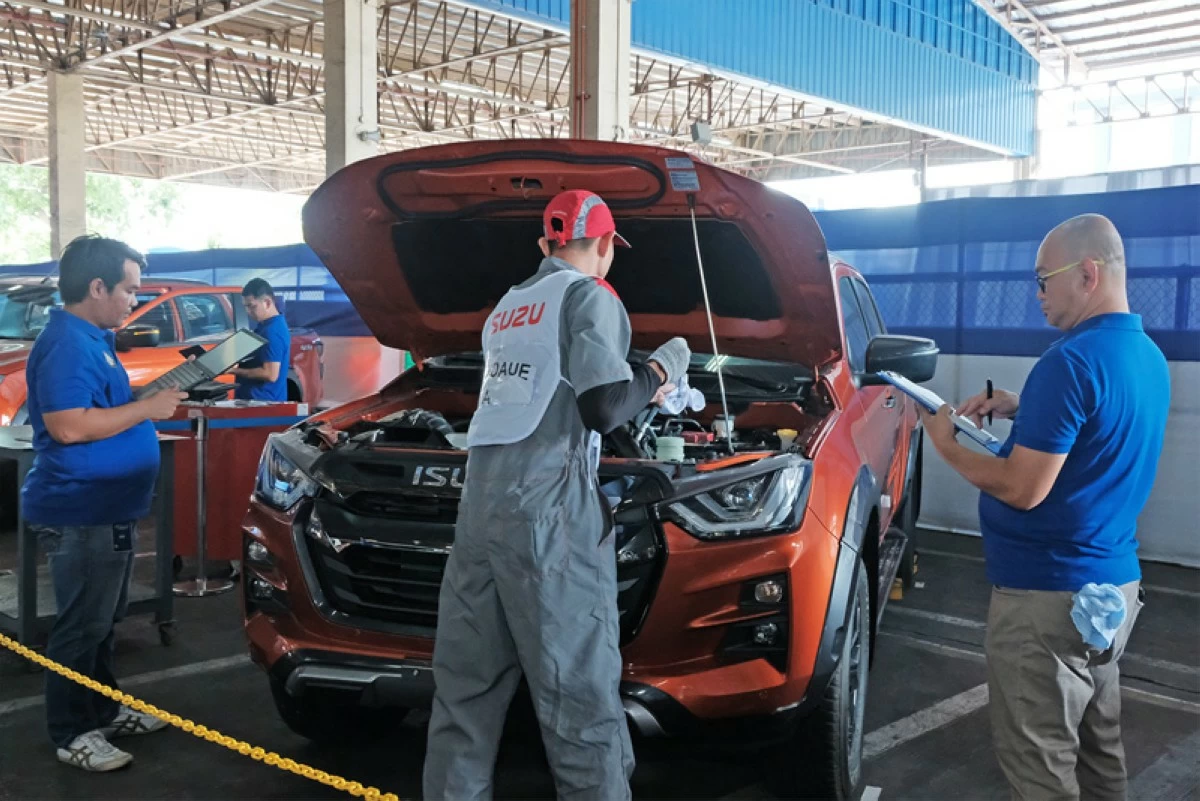
The curriculum blends TESDA’s standard automotive servicing training with specialized modules on Isuzu diesel technology, equipping scholars with both foundational and brand-specific skills to meet real-world industry demands. After the program, these graduates earn a National Certificate IV (NC IV), marking their readiness to enter the automotive workforce as skilled professionals.
The program’s impact is reflected in its strong employment rate of 95-percent, with 68-percent of graduates employed locally, 24-percent overseas, and three-percent self-employed. IHSP alumni have gone on to work in top global markets such as Japan, Australia, Saudi Arabia, the UAE, Qatar, and the United States, contributing to the industry with skills honed through the program.
Honda training for two and four wheels
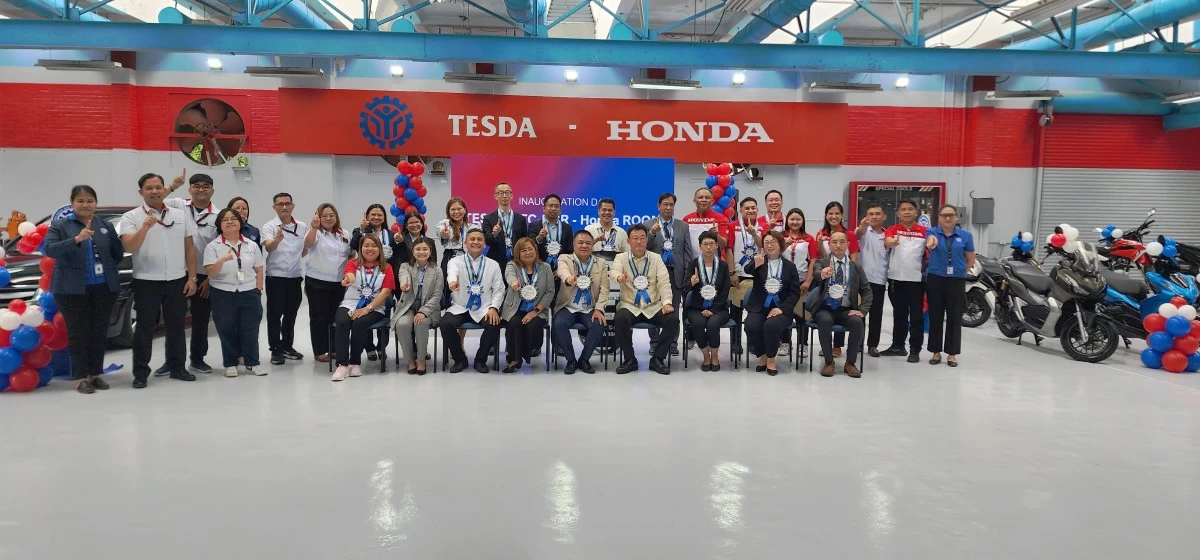
Mirroring the brand’s competitiveness in both the two- and four-wheel transportation segments, Honda is also supporting the government in its bid to put more skilled workers in the automotive and motorcycle repair sector.
The Technical Education and Skills Development Authority (TESDA), in partnership with Honda Foundation, Inc. opened a training facility last year to allow students to train on actual Honda cars and motorcycles. Manila Bulletin has been monitoring this program’s progress from its start as a memorandum of understanding to its full operation today.
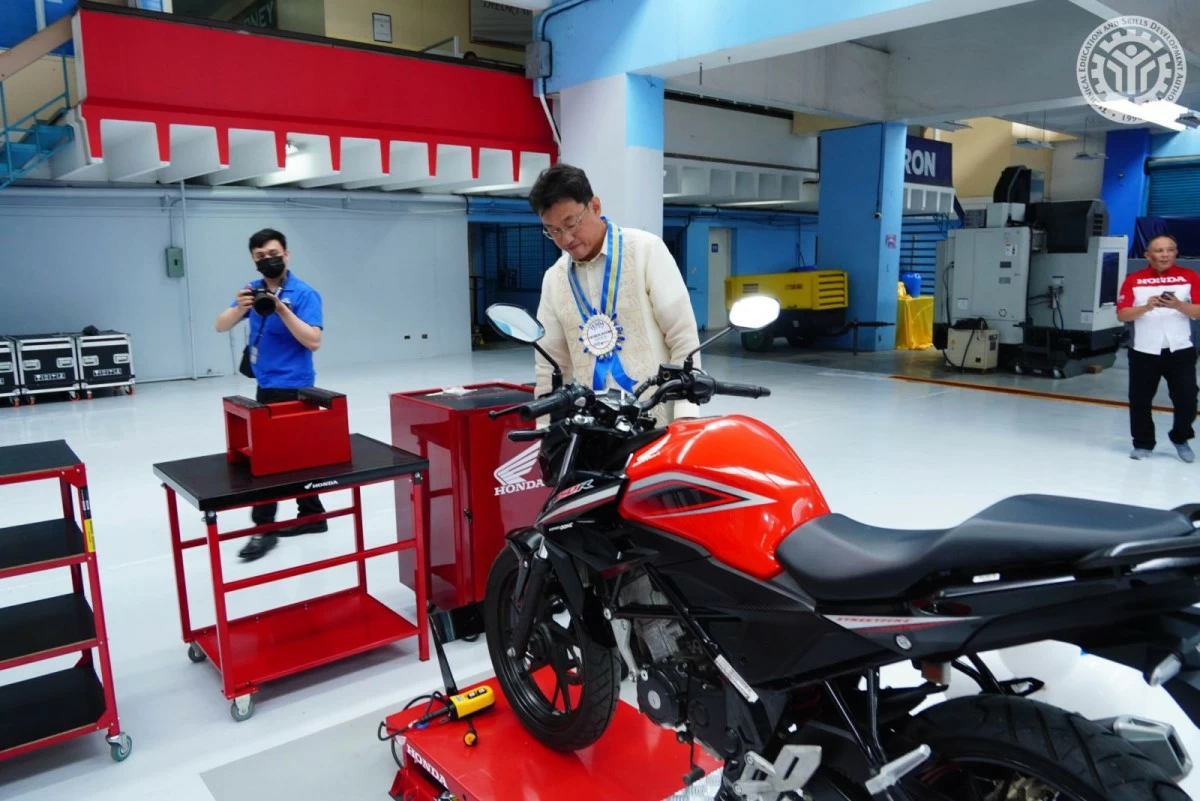
TESDA, through its Regional Training Center – National Capital Region (RTC-NCR), and Honda Foundation, Inc. aims to bridge the skills gap in the automotive industry by providing advanced training and hands-on experience to aspiring automotive and motorcycle technicians.
The two established the Honda Room, dedicated to Honda motorcycle and automotive learning laboratories. This initiative aims to improve the financial status of marginalized youth and their families, and to contribute to the manpower supply in Honda dealerships. The facility will serve as a TESDA training and assessment center venue, facilitating the certification process for learners of motorcycle and automotive courses.
The center aims to equip trainers and trainees with essential knowledge and expertise in automotive technology by integrating Honda's advanced technology and providing access to high-quality education aligned with global standards in the automotive sector.
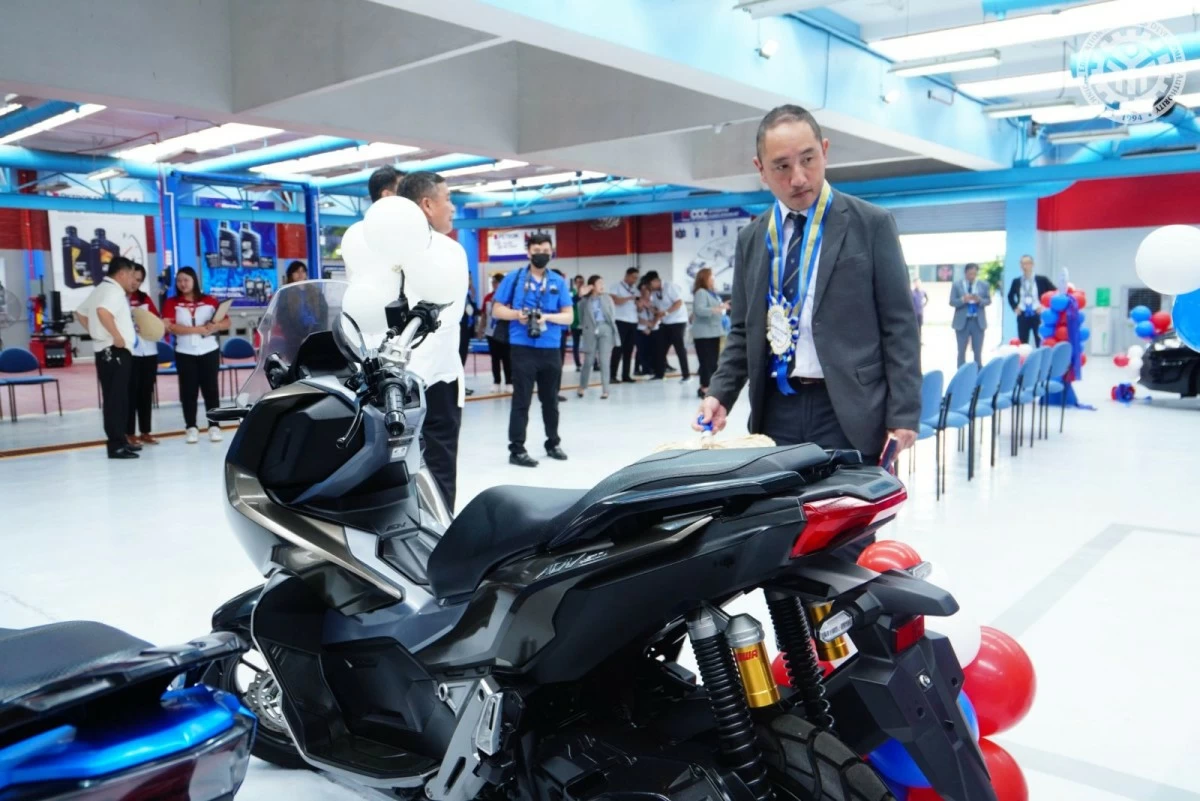
The TESDA RTC-NCR Honda Room will offer courses in motorcycle and automotive maintenance and repair services to the motoring public. Honda will then assist in terms of hiring and employing graduates for regular posting in the Honda companies and/or Honda dealers.
The course provides quality education based on Honda's standards for quality and safety-driven service techniques. After completing 650 hours of training, these learners will undergo an assessment to qualify for an National Certificate II (NCII), making them eligible for job placement at Honda dealerships.
Hope for the marginalized
With these two programs now operating, youths that want even better prospects for employment now have the opportunity to enter a highly technical and competitive field. Each batch ensures that a continues crop of skilled technicians continue to enter the work force, further strengthening the country’s automotive industry.