







Reimagining what luxury means
Lexus executives on the future of luxury
By Inigo Roces
Published Feb 2, 2026 04:45 am


At A Glance
- Why were the many Lexus concepts shown off at the recent Japan Mobility Show not cars at all?
- We talk with Simon Humphries and Ian Cartabiano to learn more about Lexus's new direction and brand ambition.
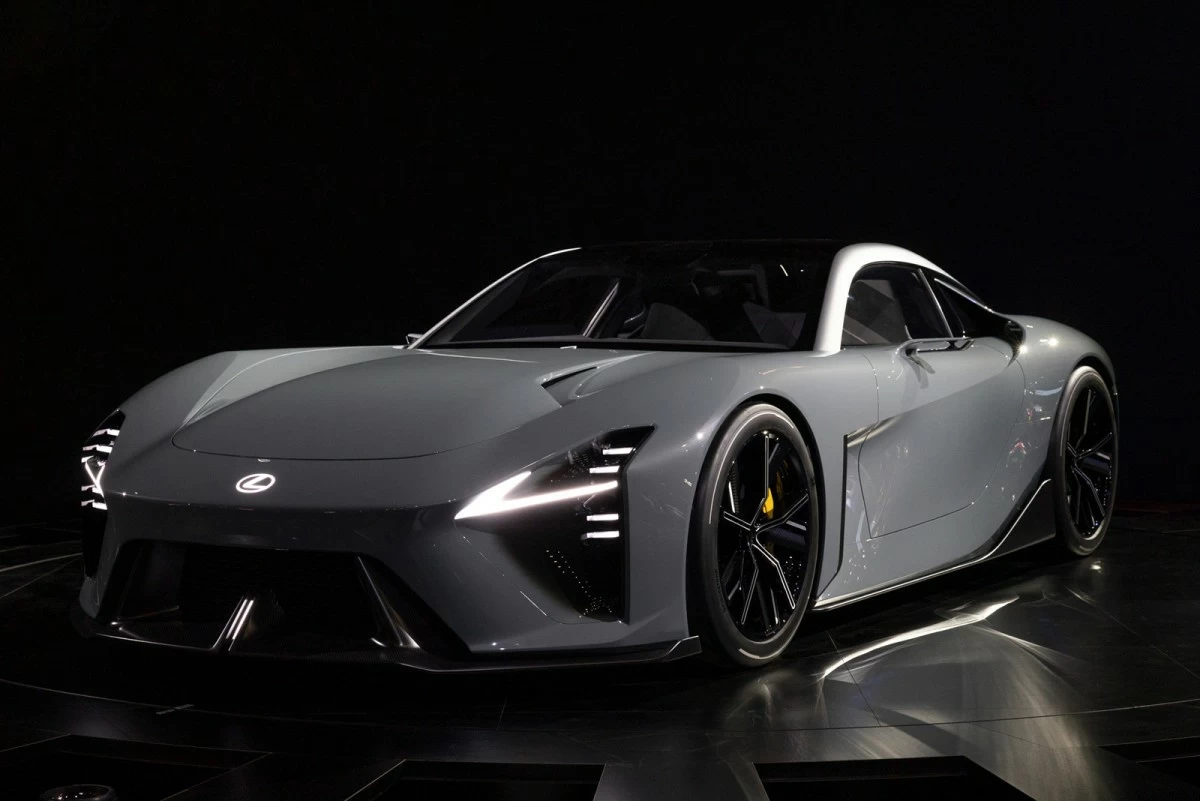
Lexus Sport Concept
At the 2025 Japan Mobility Show, the Toyota Group surprised the world with several announcements. Perhaps the most headline worthy was the announcement that the Century brand, formerly exclusive to Japanese car buyers, was going global. With a new luxury marque under Toyota’s wing, many asked about the new role Lexus would serve under the Toyota Group.
We would shortly have our answer during an interview with key Lexus figures.

Simon Humphries, Lexus Chief Brand Officer
“From Toyota to Century. Each of our brands has a clear promise to our customers,” said Lexus, Chief Branding Officer Simon Humphries. “With Century in the exclusive ultra-luxury space, Lexus now has the freedom to strengthen its promise to customers at the heart of the luxury marketplace. In a sense, Lexus can now move more freely. Lexus should continue to push forward as a pioneer.”
Transcending the automobile
Humphries explained what this means more concretely.
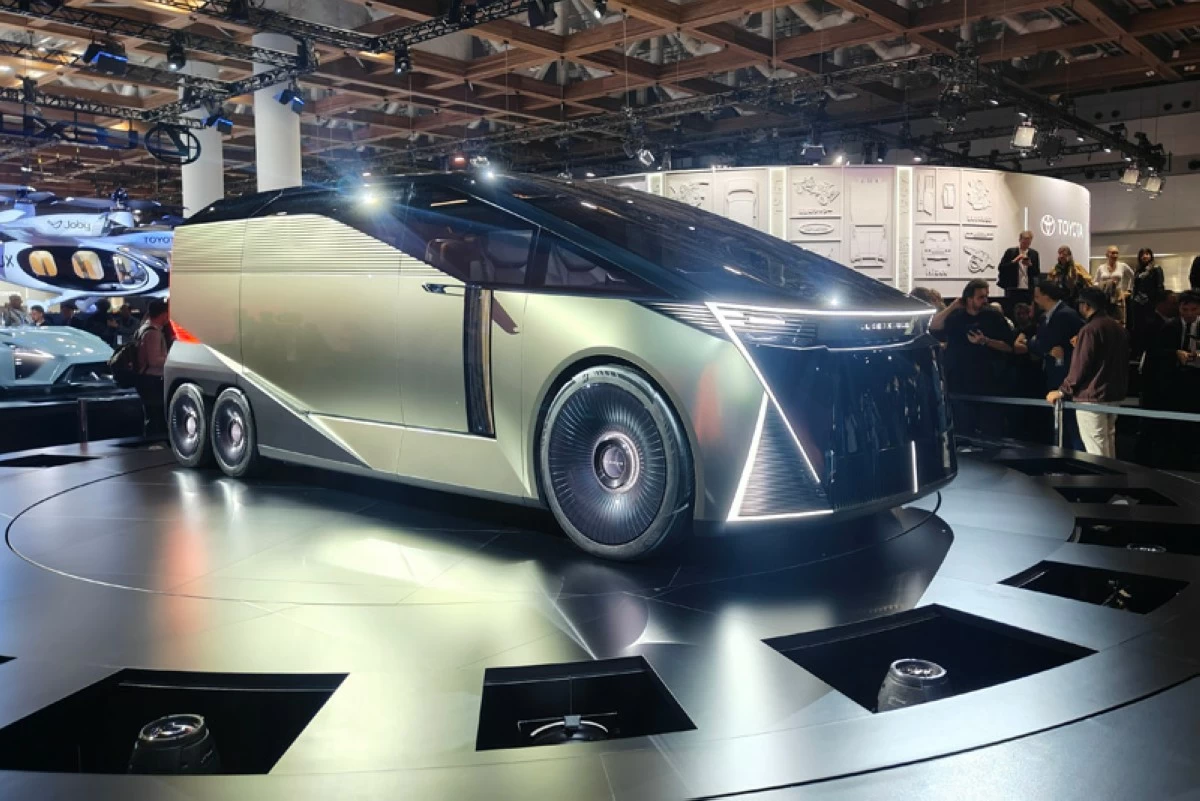
The Lexus LS (Luxury Space) Concept
“Lexus has always been about more than just four wheels. We have never shied away from a challenge to discover new products new services new experiences.”
He cites several Lexus efforts that transcend automobiles from its curated experiences, unique establishments, to even products that are very clearly not land vehicles.
Even in the Philippines, Lexus frequently hosts interesting lectures and activities at its Lexus at Mitsukoshi facility that serves as a showroom and coffee shop and also lecture and event hall on occasion.
Intersect By Lexus, in Aoyama, Tokyo is another such example, spanning several floors, each designed with meticulous attention to detail, serving craft coffee, fusion cuisine and hosting unique talks and events. Its interiors boast of intricate bamboo-laminated lattice. Visitors can also purchase exclusive crafted by Lexus lifestyle items.
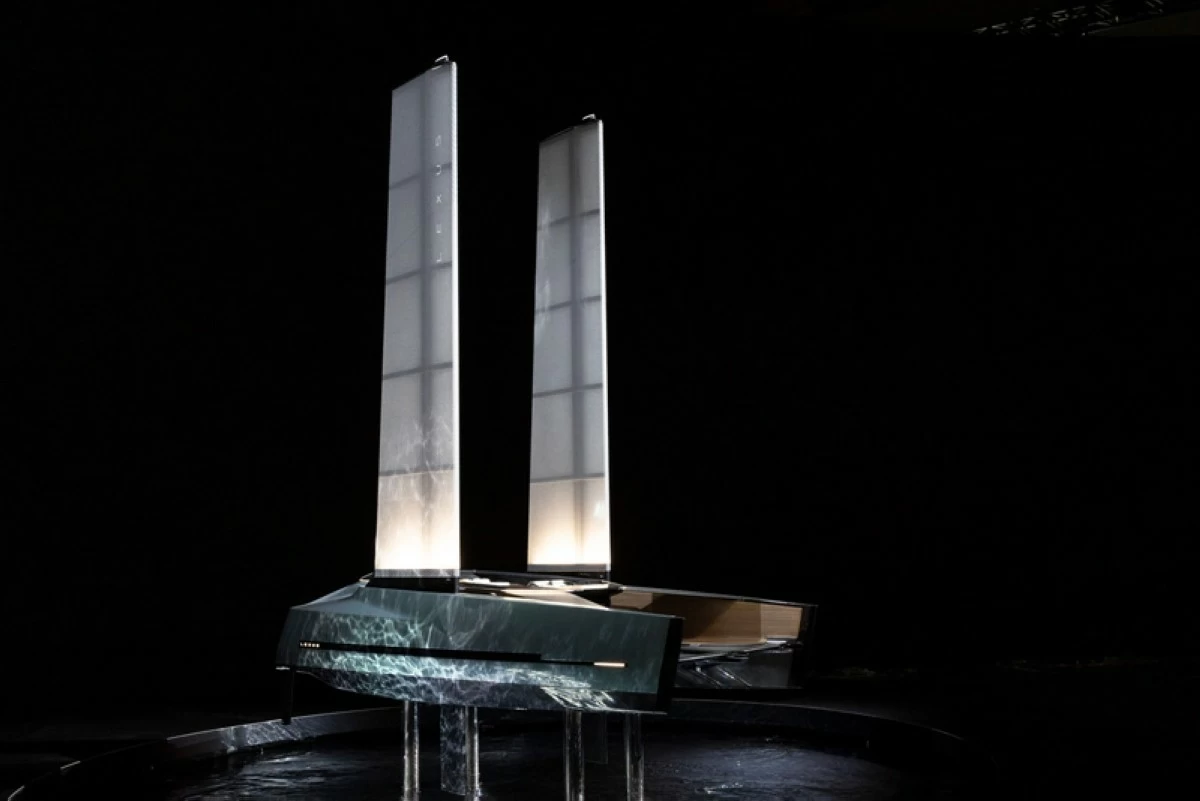
The Lexus Autonomous Catamaran
Perhaps the best example of Lexus’s efforts to transcend automobiles is the Lexus yacht, the LY680. co-produced by the Horizon Group. Built by artisans from Marquis Yachts, the LY680 shows what happens when the road meets water. The luxury yacht serves as a maritime retreat for up to 15 guests, boasting of three spacious rooms onboard.
With this as context, it’s suddenly not so surprising to understand why the many Lexus concepts shown off at the event, from its LS Micro Concept, to its quadcopter, to its new autonomous catamaran concept are not cars at all.
“The future we envisage for Lexus is not just about creating cars,” continues Humphris. “In just 36 years, the brand has shown that it can set its mind to anything yet remain uniquely Lexus; a brand strengthened by variety. Luxury is leadership and the leading edge of luxury is forever evolving. So today, I want to challenge your perception of what a luxury brand can be.”
Luxury in new forms
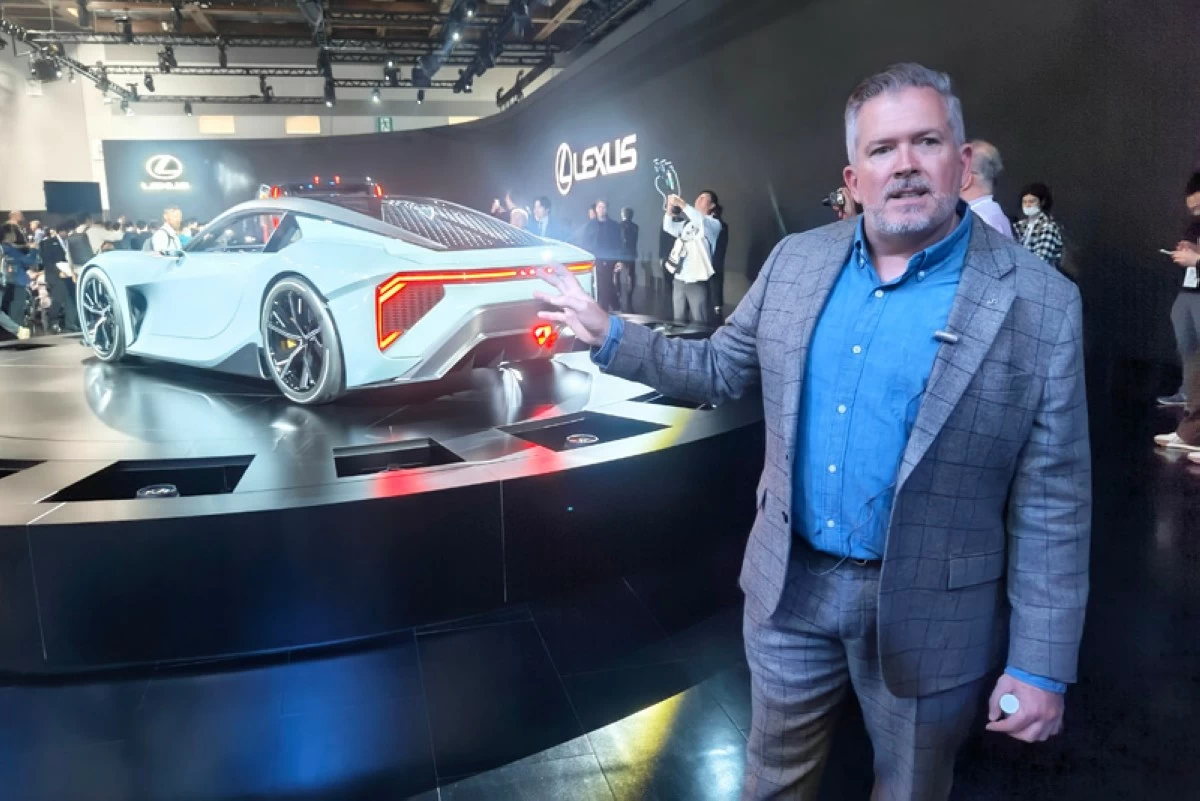
Ian Cartabiano, Calty Design Research President
We’re then handed off to Ian Cartabiano, Calty President to explain in further detail the rationale behind Lexus’s newest concepts. Calty Design Research Incorporated is a Toyota design studio established in 1973 and it provides both interior and exterior styling proposals for future Toyota group vehicles, including these new Lexus concepts. He starts us off by walking us over to the Lexus Sport Concept.
“You shouldn’t have to explain a sports car,” he begins. “You should just look at it and find that it looks cool. If you do, the job is done.”
It certainly is true as sports cars have typically adhered to archetypal designs cues like a long hood, small cabin, and large wheels. It has hardly every strayed from the established template. Where Lexus dares to deviate is in the interior.
It features a passenger side with a different color scheme and a seat set further back than the driver. The idea is to provide each a unique experience but still centered around the enjoyment of driving.
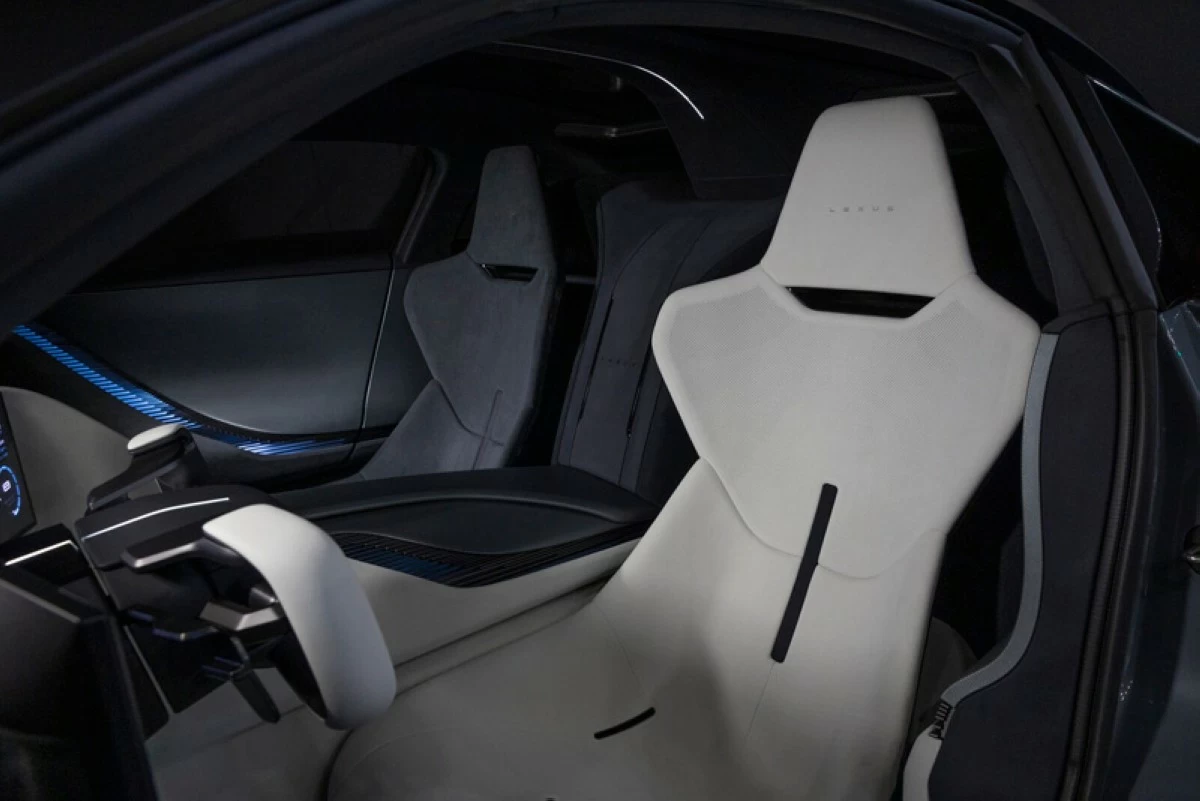
Interior of the Lexus Sport Concept
“It has one cabin divided into two spaces. There’s a focus on driving and a focus on enjoying the driving. Both sides are oriented to the road forwards so you can focus on the driving experience. The design is clean and the materials are very exquisite.”
We’re walked further down the hall toward Lexus’s new LS concept. This van-shaped vehicle is intended to serve as Lexus’s future flagship vehicle, far from the typical long sedan flagship of most brands, boasting of a unique six-wheel layout.
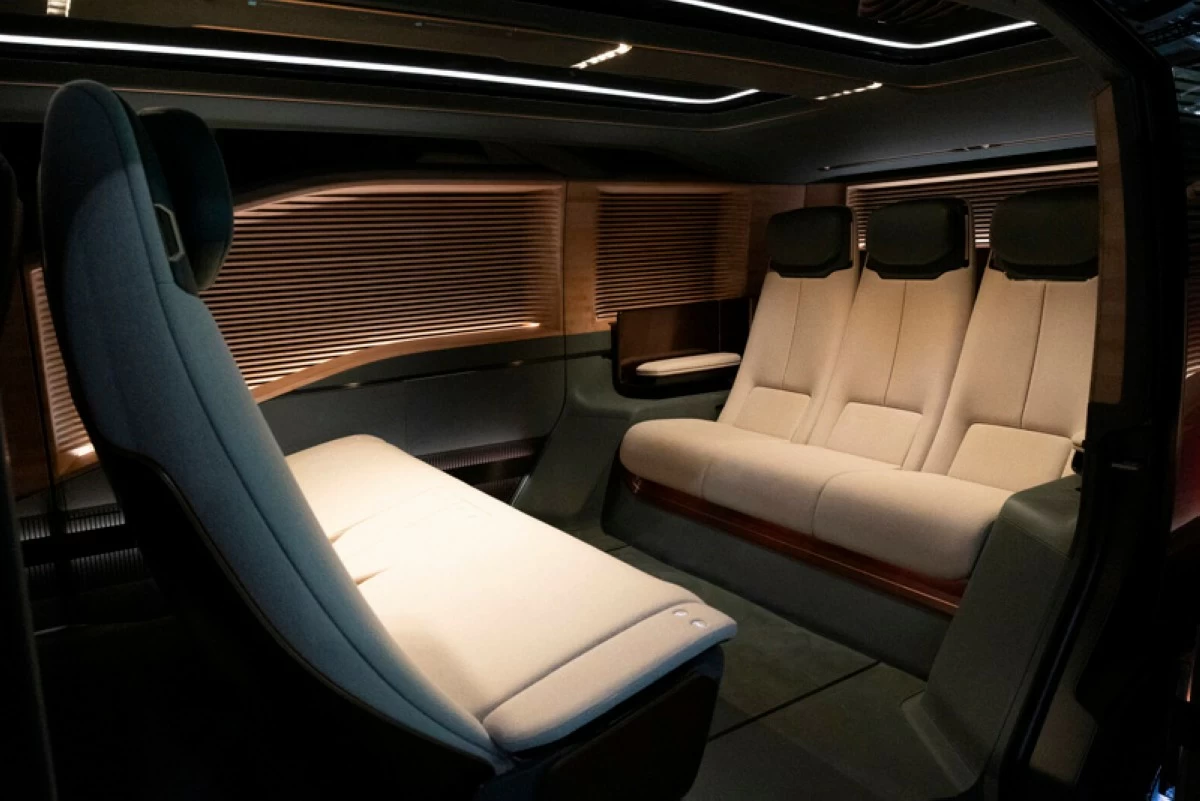
Interior of the Lexus LS Concept
“The reason we chose six wheels is so there’s no rear wheelhouse intrusion into the cabin. It’s all pure space for the passengers. Maximum space for relaxing, resting, having a meeting or getting dressed. It’s all about the interior in this vehicle.”
Finally, we’re walked over to the LS Micro Concept, a boxy, single-seater personal mobility vehicle that is envisioned as a fully autonomous luxury mode of transport for navigating narrow streets.
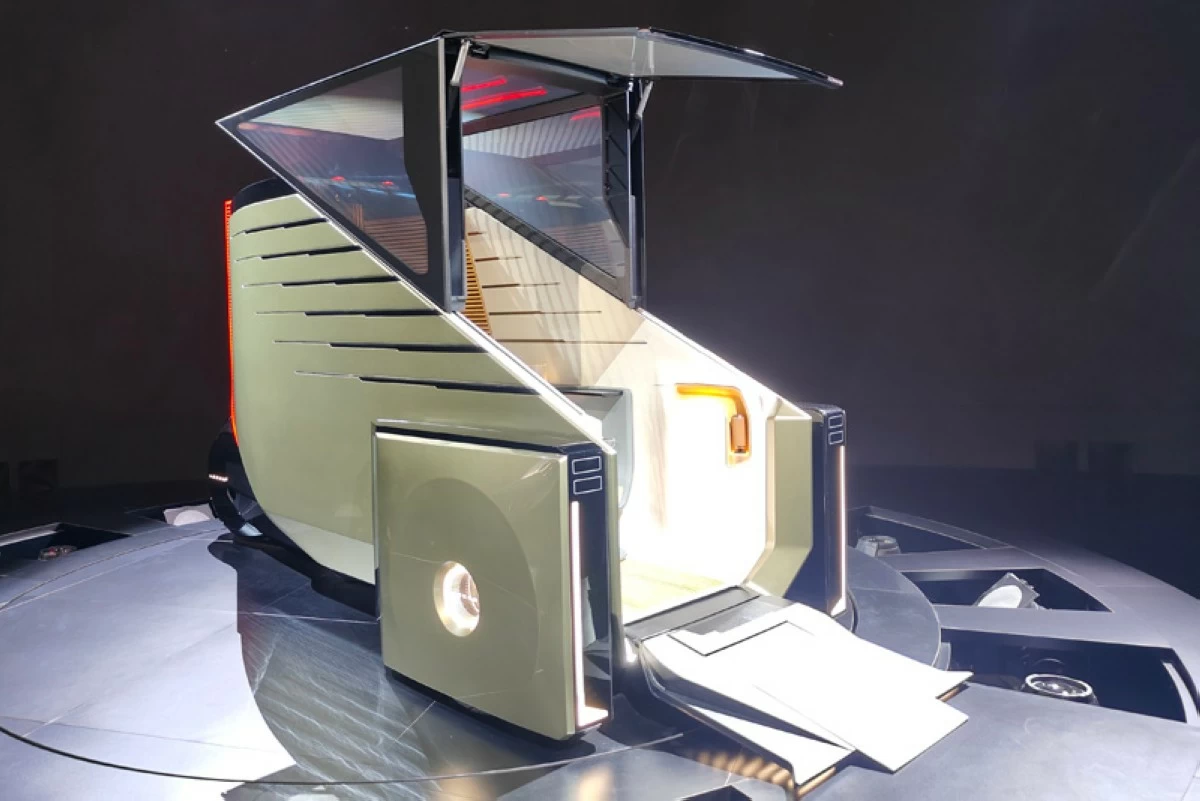
The Lexus Micro Concept personal mobility vehicle
“This is really designed for point-to-point last mile driving. For cities that don’t allow cars into the center of the city or urban areas where roads are too tight or narrow, this is the perfect luxury vehicle for that.”
The Lexus Micro Concept shows that even the last mile of travel need not be exempt from the luxury treatment, with this example serving as a means to continue to transport customers in tighter spaces where cars can’t go.
The future of automotive design is certainly exciting as it proves that it will continue to amaze, even stretch beyond the traditional limits of cars as we know them.