







Opening doors through technical training
TMP Tech scholars and the lives they build after school
Published Feb 2, 2026 03:38 am


At A Glance
- We look more closely at the Toyota Motor Philippines School of Technology (TMP Tech), through two people whose lives intersect there. One is Gerald Manacop, who helps shape the school's scholarship program, and the other is Hibek Ira Cruz, a graduate who now works in automotive maintenance in Japan.
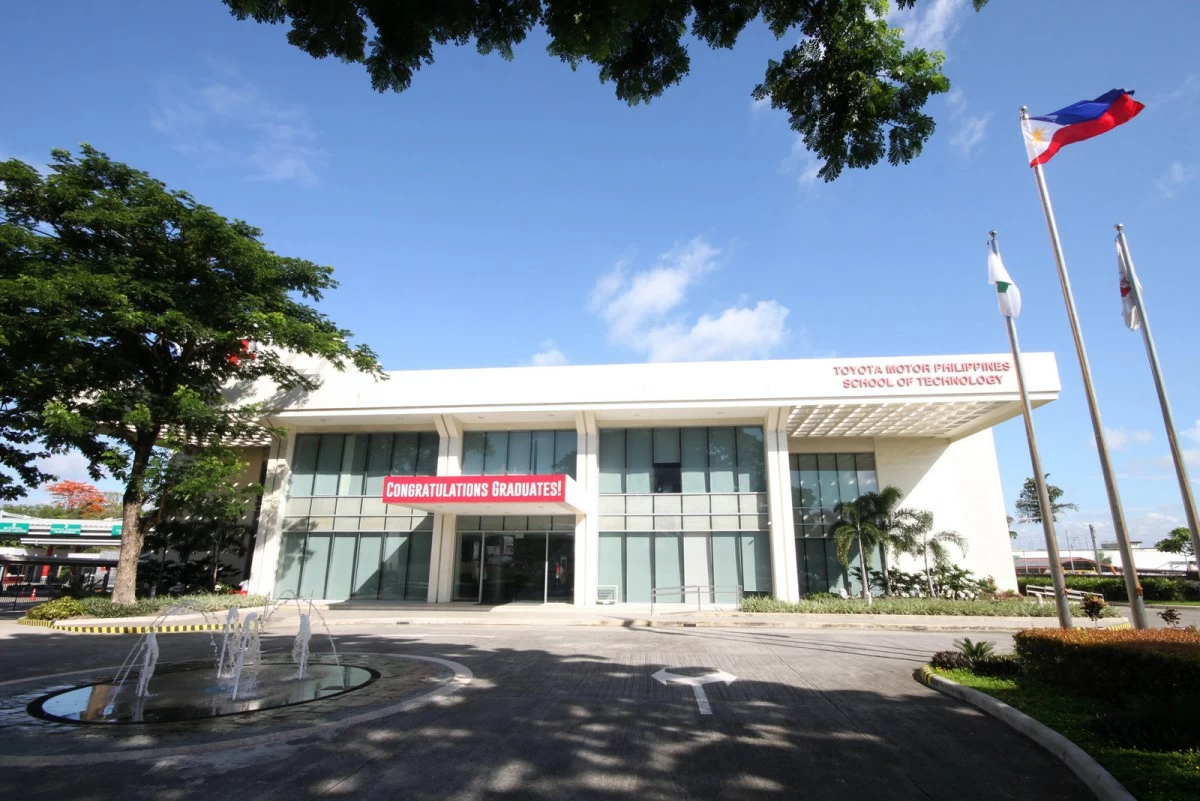
The Toyota Motor Philippines School of Technology (TMP Tech) in Santa Rosa, Laguna.
For much of its history, Manila Bulletin has not only reported events as they happen, but also followed how people and institutions work through long-standing challenges. Its pages have carried accounts of families rebuilding, communities learning new skills, and young people trying to build more secure futures for themselves.
In July last year, Manila Bulletin Executive Editor Pinky Concha-Colmenares wrote a feature on the Toyota Motor Philippines (TMP) Foundation that looked into how decent living conditions and access to education had begun to change lives in a community in Santa Rosa, Laguna. Residents spoke of learning again to “dream from the heart,” a phrase that captured the shift from daily survival to cautious hope.
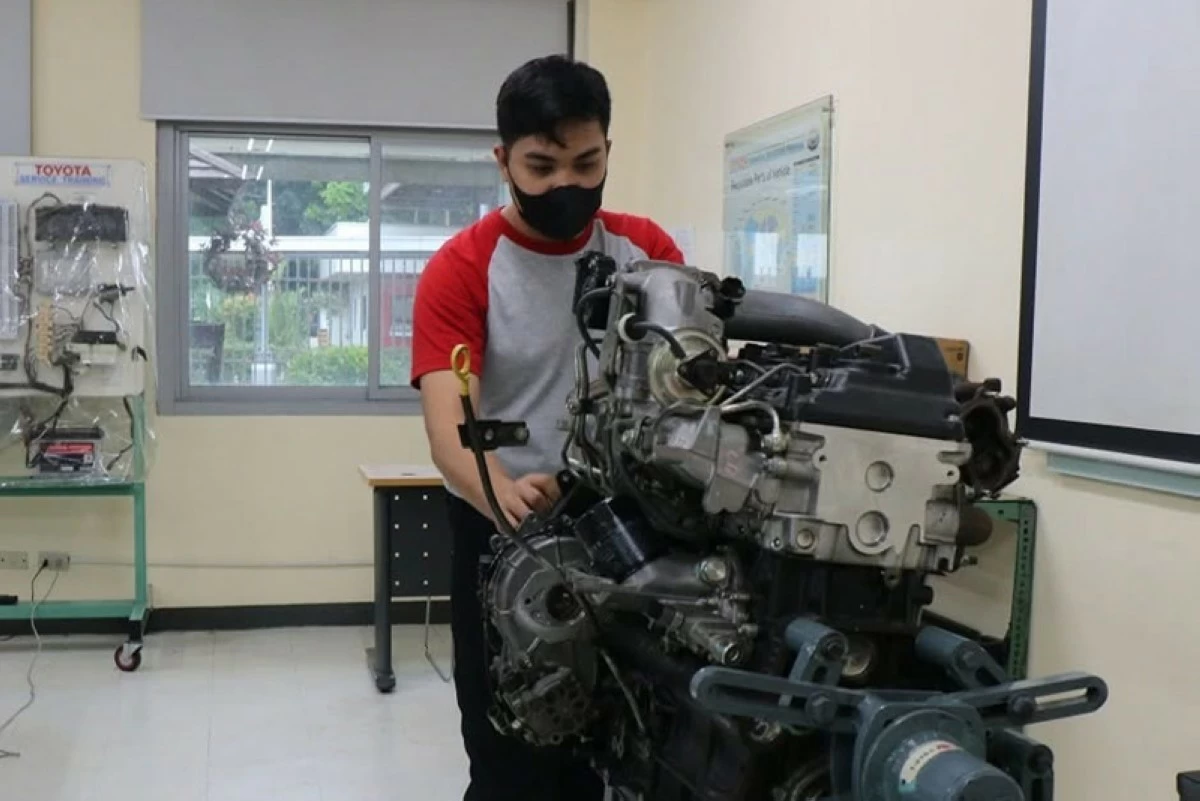
Hibek Ira Cruz during his classes at TMP Tech
This time, we look more closely at the Toyota Motor Philippines School of Technology, or TMP Tech, through two people whose lives intersect there. One is Gerald Manacop, who helps shape the school’s scholarship program, and the other is Hibek Ira Cruz, a graduate who now works in automotive maintenance in Japan.
Together, their accounts show how a technical school can open a way forward for young people with limited options, and how talking about these journeys can hopefully help others see what is possible.
Opening doors through technical training
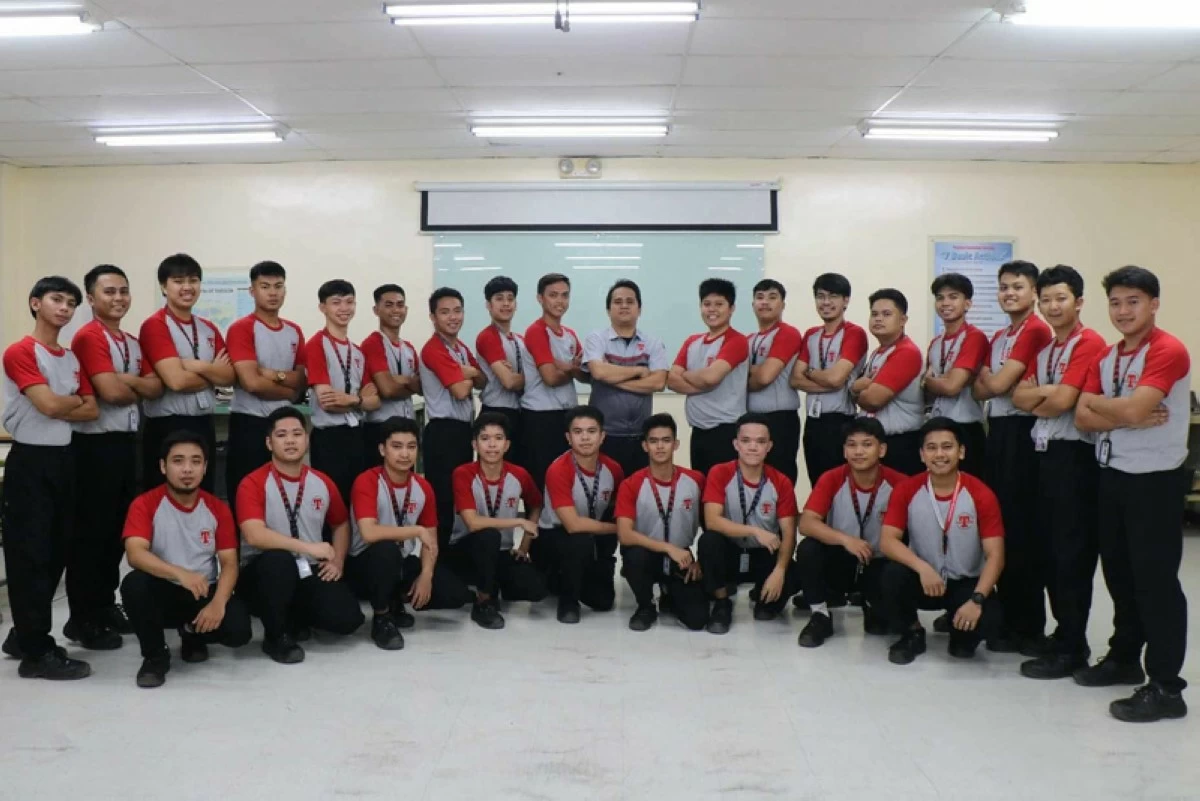
TMP Tech students, including Cruz, and their instructor.
Located inside the Toyota Special Economic Zone in Santa Rosa, Laguna, TMP Tech opened in 2013 as a dedicated technical training school for after-sales automotive technicians. It was established as a non-stock, non-profit institution to ensure a steady supply of highly skilled Filipino technicians for Toyota dealers in the Philippines and overseas, and to help provide a better future for Filipino society.
In the same year it began operating, TMP Tech launched a scholarship program. According to Gerald Manacop, head of the Student Affairs and Services Department, the program was designed for young people who would otherwise struggle to access this kind of training. The program focuses on out-of-school youth and underprivileged students, on the belief that technical education should reach those who might otherwise be left out. It is run in collaboration with TMP Foundation, GT Foundation, Inc., and Toyota dealers that sponsor scholars and help sustain the program.
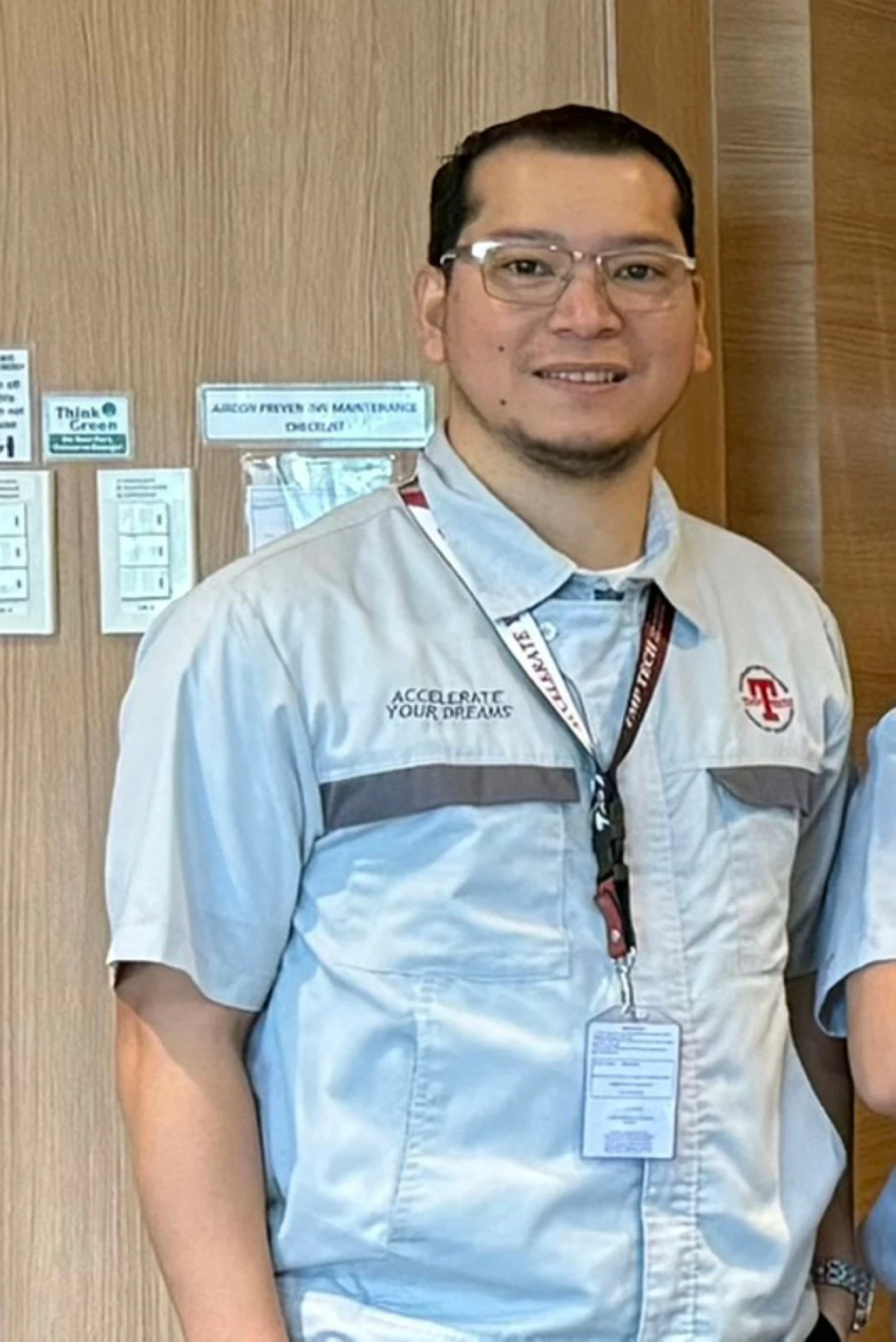
TMP Tech Department Head, Gerald Manacop
“The school chose to focus on out-of-school youth and underprivileged individuals because we believe education and skills training should be accessible to those who need it most,” Manacop said. “We want to be part of uplifting the lives of underprivileged but highly qualified individuals through skills improvement, and help provide a better future for them.”
Applicants enter either through TMP Tech or through participating Toyota dealers. To qualify, they must be Filipino senior high school graduates with a general average of at least 85 percent, from low-income families, and they must pass an admissions examination, an interview, and a medical assessment. Scholars are then assigned to courses that respond directly to the manpower requirements of Toyota workshops. TMP Tech offers an Automotive General Job Course that follows TESDA standards, and shorter programs that specialize in body-panel repair and automotive painting.
The school runs these programs in-house, with both Toyota and TESDA certified instructors. Students train on workshop equipment, training vehicles, and simulators that reflect current standards in the industry. The curriculum is aligned with global Toyota requirements and TESDA regulations and includes on-the-job training in Toyota dealerships, where scholars work under supervision on customer vehicles.
The scholarship support package reflects the reality of the students’ backgrounds: for many, transport and meals can be as serious a barrier as tuition. TMP Tech addresses this by covering dormitory accommodation, meals, and transportation allowances in addition to training costs. Values education, including the Toyota Way, is integrated into the program, and scholars are expected to maintain their grades, observe strict standards of conduct, and assist in school activities.
The school reports that 100 percent of scholars who complete the program secure employment within six months of graduation, usually starting as certified Toyota Pro-Tech Level technicians with National Certification II from TESDA, primarily assigned to express maintenance services at Toyota dealerships.
TMP Tech also maintains an alumni database and active alumni networks to monitor how graduates progress in their careers, whether they are working locally, overseas, or outside the Toyota network. “The most tangible impact is the transformation in the lives of our scholars. Seeing them employed is a testament to the program’s success. Their deployment to Toyota dealerships not only provides them with sustainable livelihood but also gives them the opportunity to pay forward to future students,” Manacop said.
A life between factory and farm
One who has taken this path is 25-year-old Hibek Ira Cruz from Laguna. Before he entered TMP Tech, his life revolved around whatever work he could find. When there was work for him at the factory, he took it. When factory work thinned out and the pay no longer covered daily needs, he turned to farm work to help the family get by. It was a pattern familiar to many families in similar situations: periods of paid work and manual labor in the fields that were never quite enough and offered no clear route to a different kind of life.
“The biggest challenge for me is to work in the farm when I don't have work at the factory because the salary I get from the company I work for is not enough,” he said.
A cousin working at Toyota Calamba told him about a scholarship linked to TMP Tech. “I found out about it from my cousin who works at Toyota Calamba, then when I applied for a scholarship the first time, I didn't pass, I just thought that maybe that scholarship wasn't for me,” he said. “Then after that, I applied again this time, I didn't know that I was applying for a scholarship in Japan, I only found out when the class started. I just enjoyed it until I got here to Japan, that's when I found out that life in other countries is like this, it's hard but fun.”
Asked about the most important skill he took from the program, he answered: “My ability to solve problems effectively and communicate clearly is the most significant skill I acquired from the program. I learned how to break down difficult tasks, consider potential solutions critically, and effectively share my ideas with teammates thanks to the program. Every day at work, I use this ability to prioritize tasks, work with others, and quickly adjust to new challenges.”
The hardest stretch and the decision to keep going
For many scholars, the most demanding part of the journey does not happen on the shop floor. It happens in the transition that follows graduation, especially for those bound for overseas work. Ira describes this stage as the hardest time he experienced.
He had assumed that finding a job after graduating from TMP Tech would be relatively simple. The reality was more involved. Because his path led to a role in Japan, he needed to learn a new language well enough to function in a Japanese workplace. At first, he thought it would be easy. It was not. Language classes were intensive.
At the same time, the question of daily expenses weighed heavily. He had no personal income at that point. His father was working, but the family’s earnings were only enough for basic needs. There were days when the workload felt overwhelming and progress seemed slow.
He kept his attention on manageable targets rather than the entire journey at once. He divided big goals into smaller steps, maintained a fixed routine, and reminded himself why he had started when doubts surfaced. When he needed help, he asked for it, whether in the form of advice, clarification, or encouragement.
For someone in his position, this straightforward persistence made the difference between giving up and pushing through.
Work, distance, and what change looks like
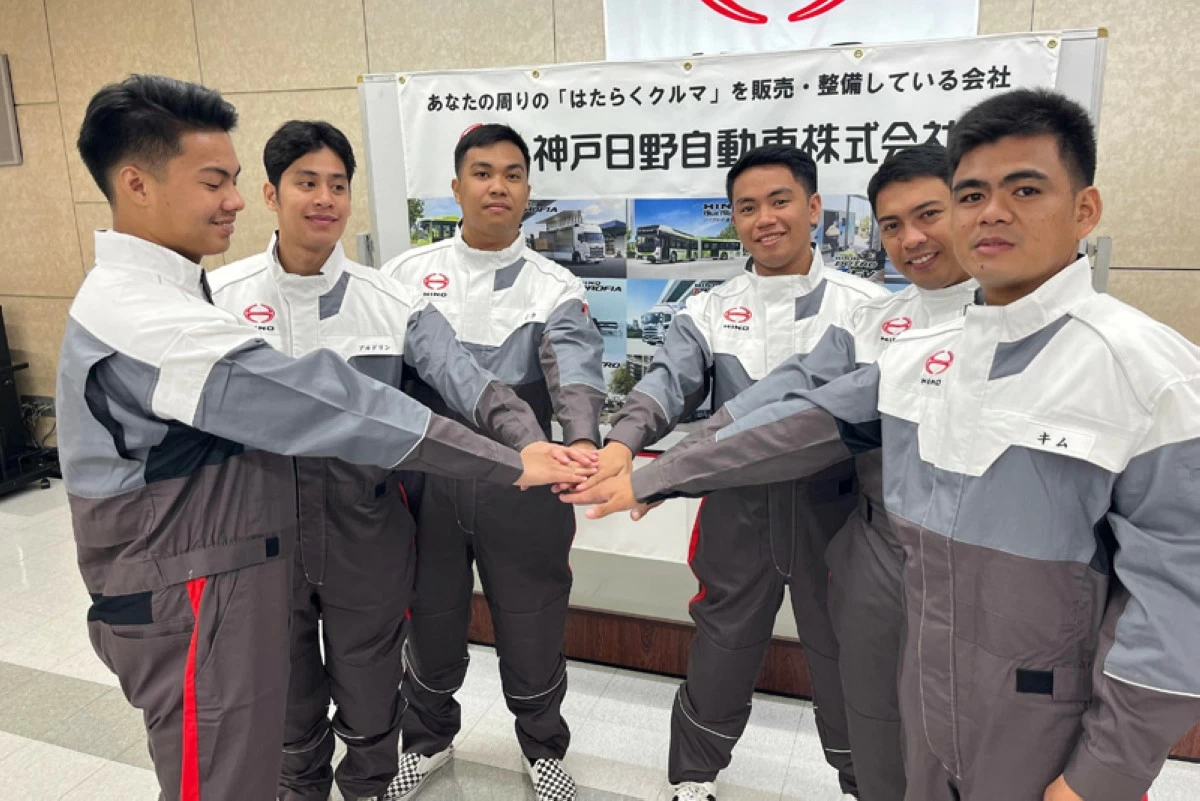
Cruz (third from left) with his colleagues at Hino Motors, Japan.
Today, Ira works in automotive maintenance with Hino in Japan. His days involve inspecting, diagnosing, and repairing vehicles, coordinating with colleagues, and making sure that vehicles under his care return to the road in safe working order.
The hardest part of his current life is the distance from his family. He is far from Laguna and the routines he grew up with. Communication keeps them in touch, but it cannot fully replace being physically present at home. Even so, he says he enjoys his work because it is something he has learned to do well and because he can see the results of his effort in the vehicles that pass through his hands.
The change this role has brought into his life is most visible in small things. “I was able to buy the things I wanted that I used to only dream about and I can now give what my family wants,” he said. For him, these are clear signs that the years of training, language study, and waiting have turned into something concrete.
To someone in the kind of situation he once faced, he said: “I would say to them, if feeling unsure or overwhelmed it doesn’t mean you won’t get the results, it means that you are growing. Take it a day at a time, continue and don’t be scared to ask for support. If you keep showing up and believing in your ability to improve, you’ll be surprised by how far you can go.”
The work of Gerald Manacop at TMP Tech and the journey of Hibek Ira Cruz from factory and farm to a workshop in Japan are part of the wider story Manila Bulletin has been telling about Filipinos who choose to respond, not just endure. By telling their stories alongside many others, the paper hopes readers can see how programs and personal decisions meet, and how change, even when slow, still happens.