






Manila Bulletin
 Philippines
National
Marcos reaffirms respect for editorial independence, press freedom
Philippines
National
Marcos reaffirms respect for editorial independence, press freedom
Philippines
National
Marcos reaffirms respect for editorial independence, press freedom
Marcos reaffirms respect for editorial independence, press freedom
Published Feb 2, 2026 10:32 am


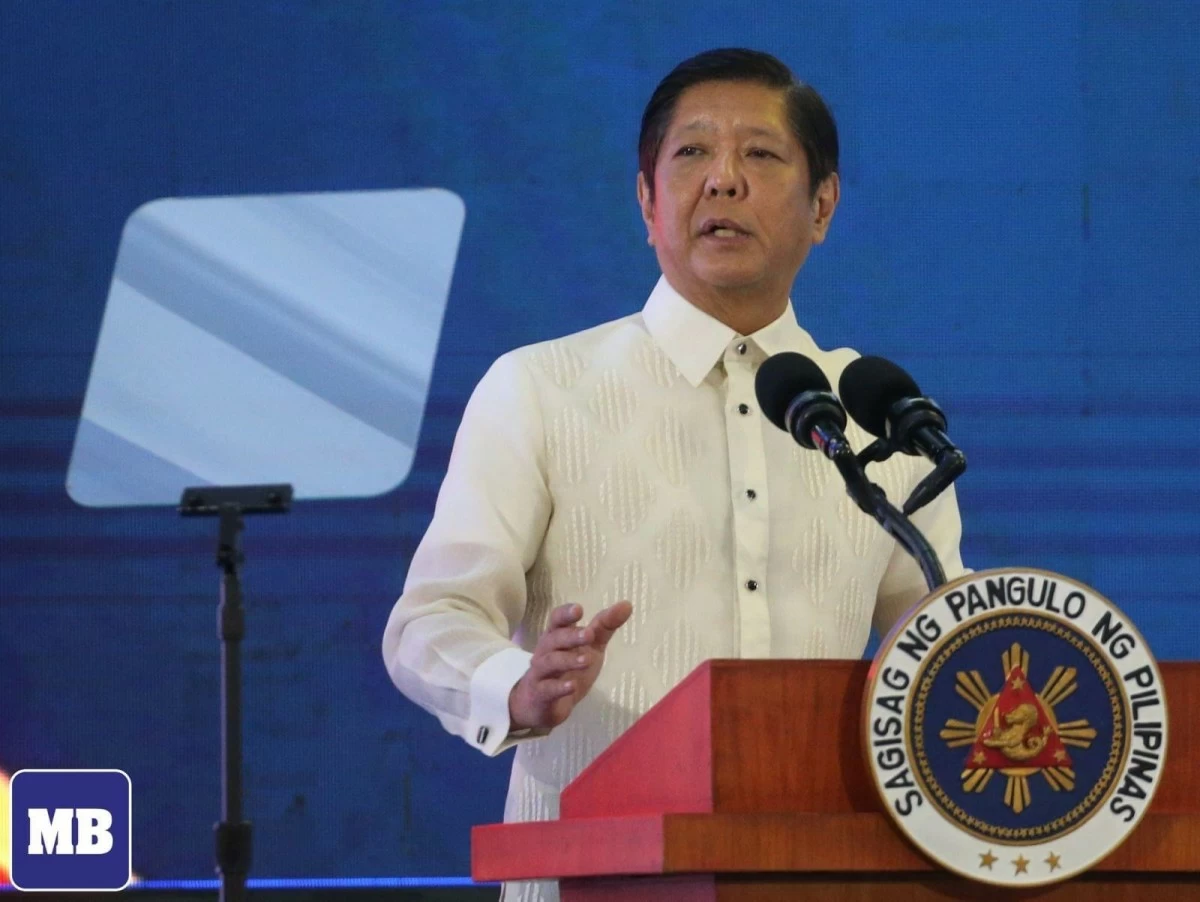
President Ferdinand 'Bongbong' Marcos Jr. (MB File Photo)
On the 126th anniversary of the Manila Bulletin, President Marcos reaffirmed his commitment to press freedom and respect for editorial independence, which are vital to the country's democracy.
Marcos stated this as he stressed that the Philippines' maturing democracy requires a free and responsible press.
"As we advance the work of maturing our democracy, we require a press that operates freely and responsibly," Marcos said in his message on Monday, Feb. 2.
"The government affirms its role by safeguarding constitutional guarantees, respecting editorial independence, and strengthening institutions that commit to transparency and accountability," he added.
The President stressed that the role of the press "to sustain a media institution that promotes citizen awareness and elevates public discourse" remains.
In congratulating the Manila Bulletin, Marcos recognized that the publication "was among the few institutions that have watched the country grow into itself, edition by edition."
"Founded at the dawn of the 20th century, the Manila Bulletin took shape at a moment when the Philippines was learning how to speak in the modern idiom of nationhood. It began publication as regimes changed and public institutions were being redefined, marking it as an important witness to milestones in the narrative of the Republic," Marcos said.
"In all these years of war, occupation, rebuilding, and political adjustment, the Bulletin learned that journalism endures through meticulous record-keeping and truthful reportage. Over time, its pages stood as an archive of daily life, making it one the most trusted publications in the country," Marcos stated.
The Chief Executive said an anniversary such as the Manila Bulletin's invites a deeper question: what does it mean to practice journalism amid changing times.
"An anniversary such as this asks what it means to practice journalism when conditions continue to change. Methods evolve, and expectations shift, yet the essential labor remains rooted in discernment," Marcos said.
"Public reporting draws its authority from the careful handling of fact, attention to context, and an understanding that today's report becomes tomorrow's truth," he added.
The challenge now, he further said, "lies in preserving this discipline amid new forms of production and circulation, without mistaking novelty for substance or yielding accuracy to sensationalism."