







Diplomacy and peacebuilding
Published Feb 2, 2026 12:05 am
|
Updated Feb 1, 2026 04:29 pm


PEACE BY PEACE
The saying “No one is an island” can be best applied to our work of peacemaking. Over the years, we have learned that fostering peace is not a singular, heroic act but a consensus-driven, collective effort that extends far beyond a nation’s borders.
This is why the Office of the Presidential Adviser on Peace, Reconciliation and Unity (OPAPRU), through its International and Private Partnerships Office (IPPO), is focused on building and strengthening partnerships with its international stakeholders.
During the recent Philippines–United Kingdom Multi-Sectoral Conference and Workshop on Peacemaking and Mediation, we shone the spotlight on the diplomatic community that has quietly but consistently helped sustain and build on the gains of peace in the country.
The gathering served as a powerful reminder that the gains we have achieved across virtually all aspects of the peacebuilding process can be attributed to the invaluable assistance provided by the international community.
For decades, our partners in the diplomatic corps have stood by the Philippines through some of the most trying periods of our peace journey. They have facilitated genuine dialogue, called for utmost patience among parties, and carried out peace and development interventions.
As the Philippine Comprehensive Peace Process continues to face major challenges, what has allowed it to endure and move forward is not only the political will of the country’s leadership but also the confidence-building role of our international partners.
Listening to former Irish Prime Minister Bertie Ahern talk about the Good Friday Agreement during the conference was highly insightful. Ireland’s experience reminds us that peacebuilding cannot resolve every grievance but can help heal the wounds of the past.
The insights provided by Ireland to the Philippines, which is deeply rooted in our shared experiences and history, has enabled us to enrich our own approaches to mediation and peacemaking.
Likewise, the long-standing engagement of the United Kingdom has been crucial in strengthening our nation’s peace architecture, enabling it to forge ahead starting from formal peace negotiations to the implementation of signed agreements.
This assistance has encompassed ceasefire mechanisms, mediation platforms, normalization efforts, and post-conflict development initiatives in areas where collaboration and trust-building are essential.
Meanwhile, Lord Jack McConnell’s reflections during the conference captured the spirit of the PH-UK collaboration. Over their many years of working in Mindanao, our British partners have witnessed firsthand how peace has evolved on the ground and taken root.
They have seen the visible changes that are taking place in former conflict-ridden communities. When our partners talk about Cotabato’s transformation, they are no longer speaking as observers but as active partners.
The Bangsamoro peace process stands as a centerpiece of the Philippine peace agenda. However, it is also highly-complex and dynamic wherein the diplomatic community has been instrumental in promoting greater inclusivity and shared responsibility.
By supporting joint peace mechanisms such as the Intergovernmental Relations Body, Joint Peace and Security Committee, and Joint Normalization Committee, the international diplomatic community has been a reliable, stabilizing presence in the region.
With the Comprehensive Agreement on the Bangsamoro (CAB) being the first globally-recognized peace deal chaired by a woman, our international partners have taught us that a more inclusive process can lead to long-lasting and more durable outcomes.
The diplomatic community has helped the Philippine government communicate and reinforce the message that peace initiatives can be made stronger and more meaningful when women, youth, and Indigenous Peoples are activity involved.
Our diplomatic partners have helped us uphold the principle of mutual respect, reminding us that peace must not only create a safe and secure environment, but also bring dignity through human rights protection, economic opportunity, and accountable institutions.
By and large, our diplomatic partners have supported the Government of the Philippines in sustaining and building on the gains of peace long after the ink on peace agreements have dried up.
As we know, peace processes become vulnerable during implementation when expectations are high and frustrations grow. International partners have provided steady reassurance that the dividends of peace are tangible and will continue to uplift the lives of the people.
As I reflect on the lessons of the conference, I am reminded that the Philippines is no longer merely a recipient of international support. Increasingly, our nation has become a shining example of what can happen when people choose to walk the path of peace.
Peace, after all, is built and sustained through relationships forged between communities, institutions, and nations. To our friends in the international diplomatic community, thank you. You are helping to bring our nation closer to its vision of achieving a just and lasting peace.
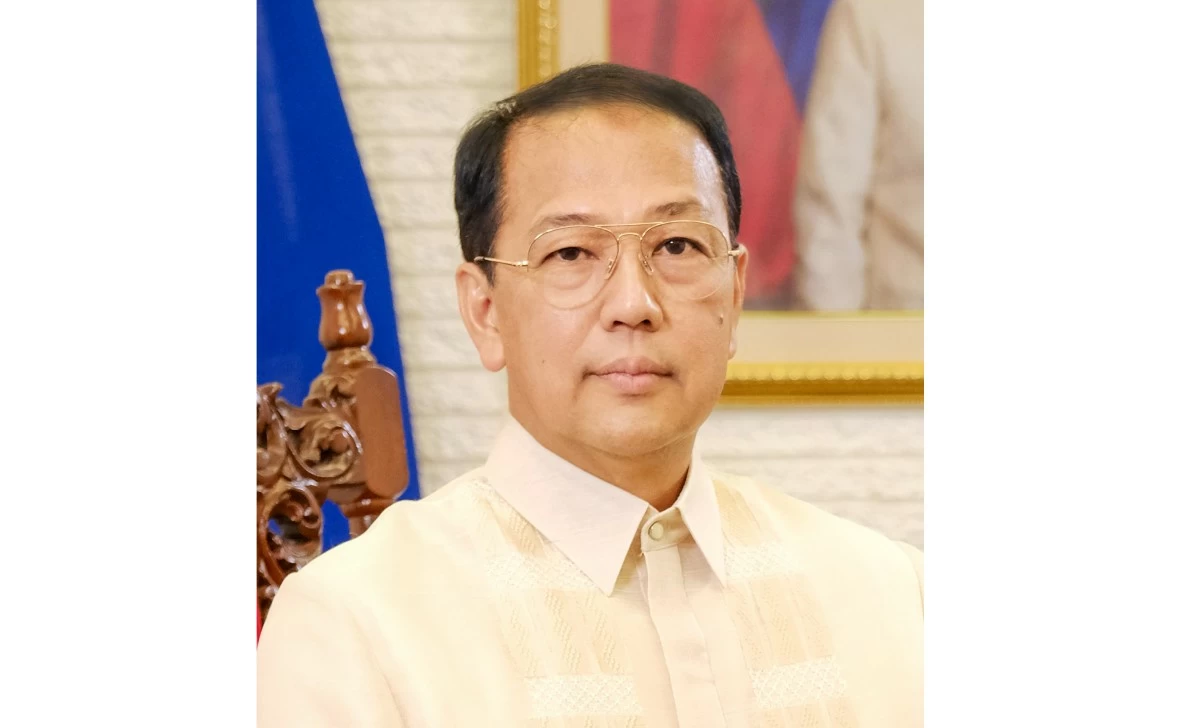
(Secretary Carlito G. Galvez, Jr. is the presidential adviser on peace, reconciliation, and unity.)