







Challenging future automotive engineers
Filipino student engineers at the Shell Eco-marathon
By Inigo Roces
Published Feb 2, 2026 04:21 am


At A Glance
- The Shell Eco-marathon challenges students to design and build fuel-efficient prototype vehicles that are propelled by fossil fuels, electricity, or a hybrid combination of power sources, all to achieve the highest fuel efficiency figures possible.
- This competition has real world applications as the lessons learned here can be applied to current vehicles to make them more efficient, particularly in the present where the price of fuel continues to fluctuate because of global conflicts.
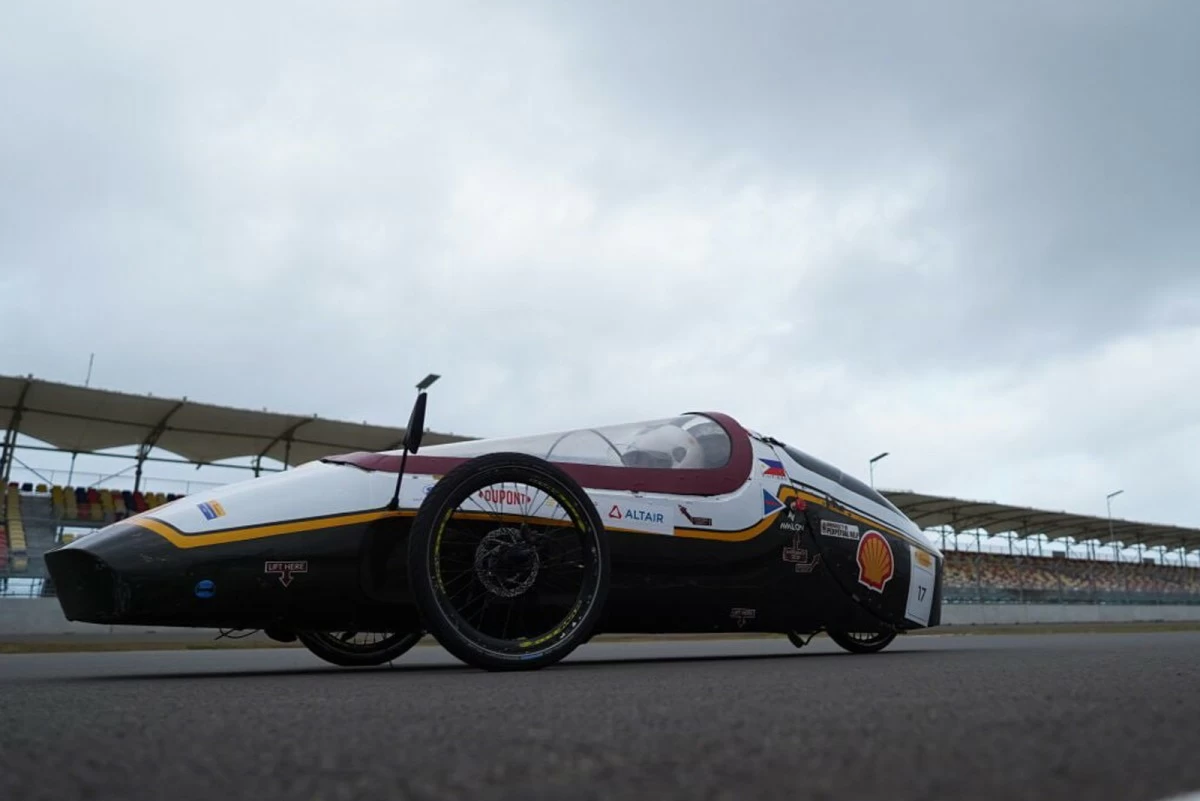
Polytechnic University of the Philippines (PUP) team, Hygears and their car, the Atlas Valor.
Though often overlooked, the Philippines actually has a rich pool of talent when it comes to the automotive field. Even more inspiring is the fact that our future in the field may be even brighter as student engineers are proudly raising the flag of the country when it comes to international competition.
One of these competitions is the Shell Eco-marathon. Since its inception in 1985, the Shell Eco-marathon has been a platform for students worldwide to demonstrate their capabilities in exploring sustainable innovation and excellence in Science, Technology, Engineering, and Mathematics (STEM) principles.
The competition challenges students to design and build fuel-efficient prototype vehicles that are propelled by fossil fuels, electricity, or a hybrid combination of power sources, all to achieve the highest fuel efficiency figures possible. The aim is to pit these energy-efficient vehicles against each other in the pursuit of covering long distances on a fixed and miniscule amount of fuel (1 liter), aiming to push the boundaries of technical possibility and inspire future leaders in energy solutions.
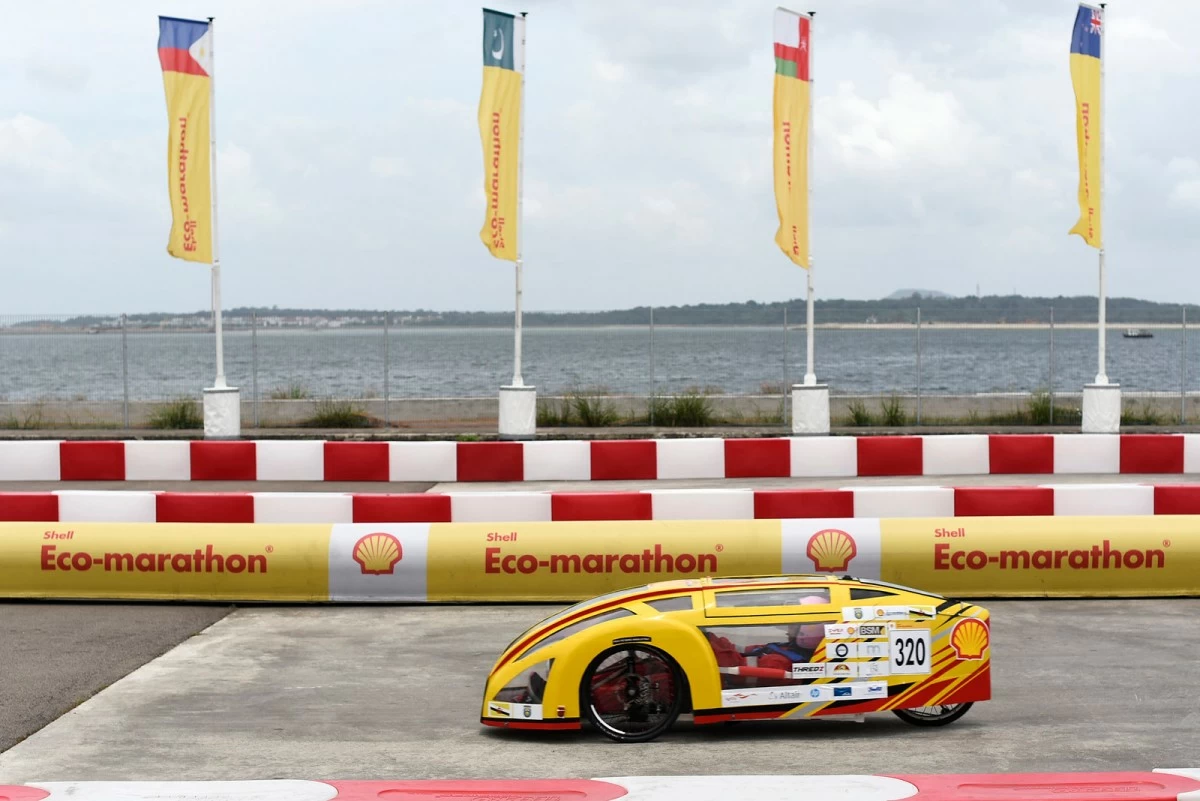
Team UBD-Aufa, #320, from Universiti Brunei Darussalam, Brunei Darussalam, competing under the Prototype - Battery Electric category on the track during the final day of Shell Make The Future Singapore at the Changi Exhibition Centre, Sunday, March 11, 2018 in Singapore. (Edwin Koo/AP Images for Shell)
The competition isn’t solely about achieving the highest fuel efficiency figures. It also recognizes exceptional innovations in vehicle technology, communications, vehicle design, safety, and teamwork.
This competition has real world applications as the lessons learned here can be applied to current vehicles to make them more efficient, particularly in the present where the price of fuel continues to fluctuate because of global conflicts.
Manila Bulletin has been covering the Philippine teams’ participation since the competition was opened to participants from Asia in 2014. For over a decade now, Philippine student teams have been participating in the event.
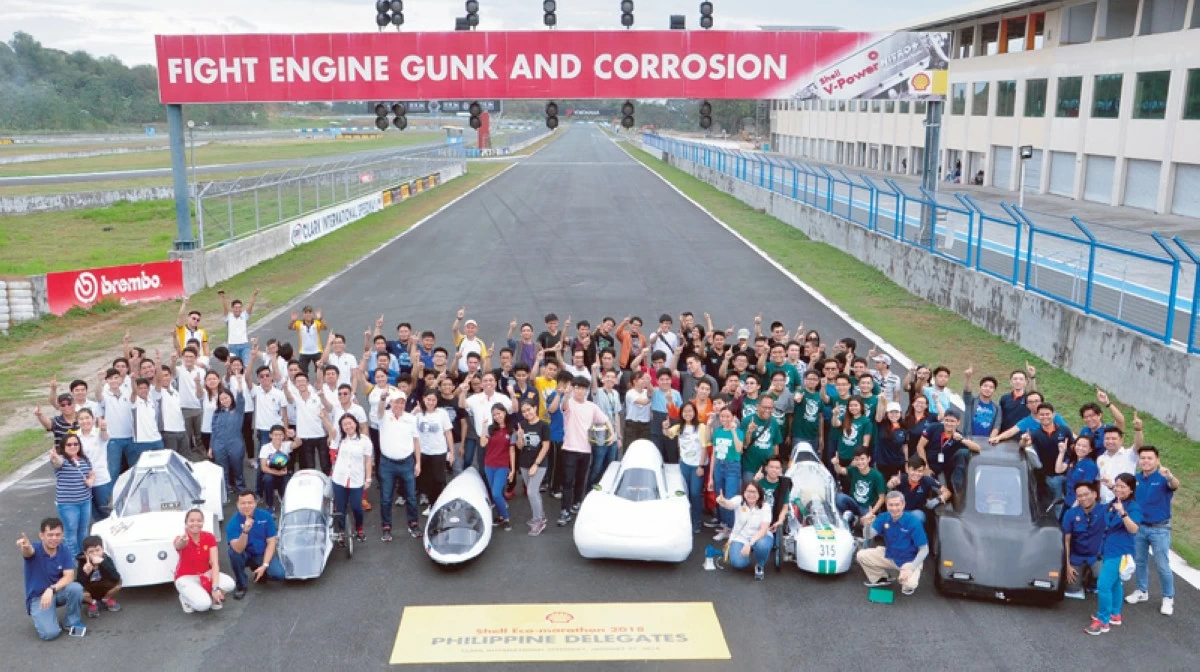
Veterans like De La Salle University, Mapua Institute of Technology, and Polytechnic University of the Philippines’ (PUP) have been participating for several years in a row now. They are typically joined by three or four more teams from other Philippine Universities also seeking the same glory.
Each year, these student teams undergo the rigorous process of building and testing their vehicle, participating in local elimination rounds, preparing their creation for shipping, and undergoing the competition proper in a foreign land.
This is no small task as each phase of this process demands a large amount of time to dedicate for research, fabrication, testing, and preparation. There’s also the significant cost preparing the entry entails, from the amount needed to build the vehicle itself, to the astronomical cost of shipping it and the team to and from the country where the regional competition will be held.
Credit is due to Pilipinas Shell for continuing to support Philippine entries for this regional competition, recognizing the value — both to the students and the country — that such a challenge offers.
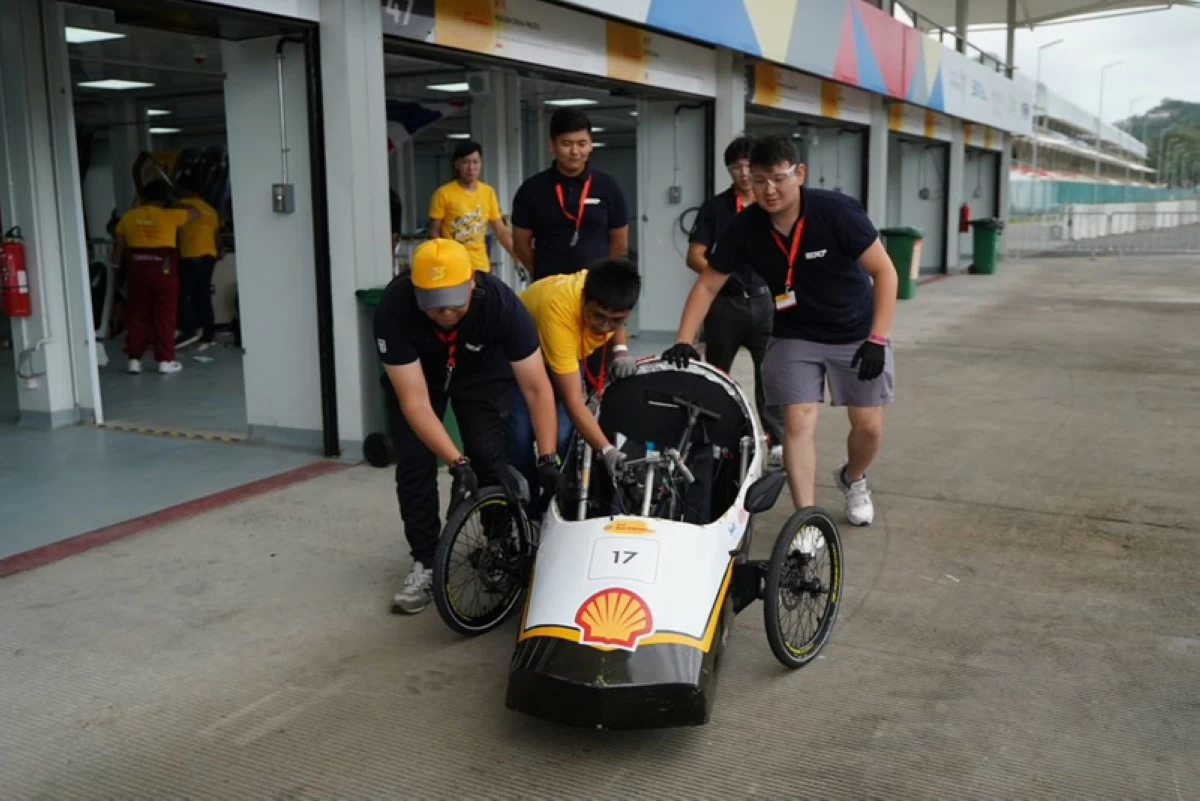
The Atlas Valor heading to the track.
The Philippines has yet to score a coveted podium in the on-track competition, but over the years, De La Salle and Polytechnic University of the Philippines have scored some off-track awards for their dedication and teamwork in other aspects of the competition.
Nonetheless, the fighting spirit of these Filipinos students has not faded, in fact, it has become more infectious as even more Philippine universities are learning about the competition and fielding entries.
Last year, three new Filipino teams have earned a place in the competition: Team Siklab from Jose Rizal University, UMindanao Wildcats from the University of Mindanao, and XU Mekan-Eco from Xavier University – CDO.
This year’s competition is already ongoing with the Philippines represented by Mapua Malayan Colleges Mindanao and the University of Mindanao currently entered in the Internal Combustion Engine category.
Besides the usual mileage challenge, the competition is also holding a new competition for autonomous driving, adding further relevance and potential real world applications for these experimental vehicles.
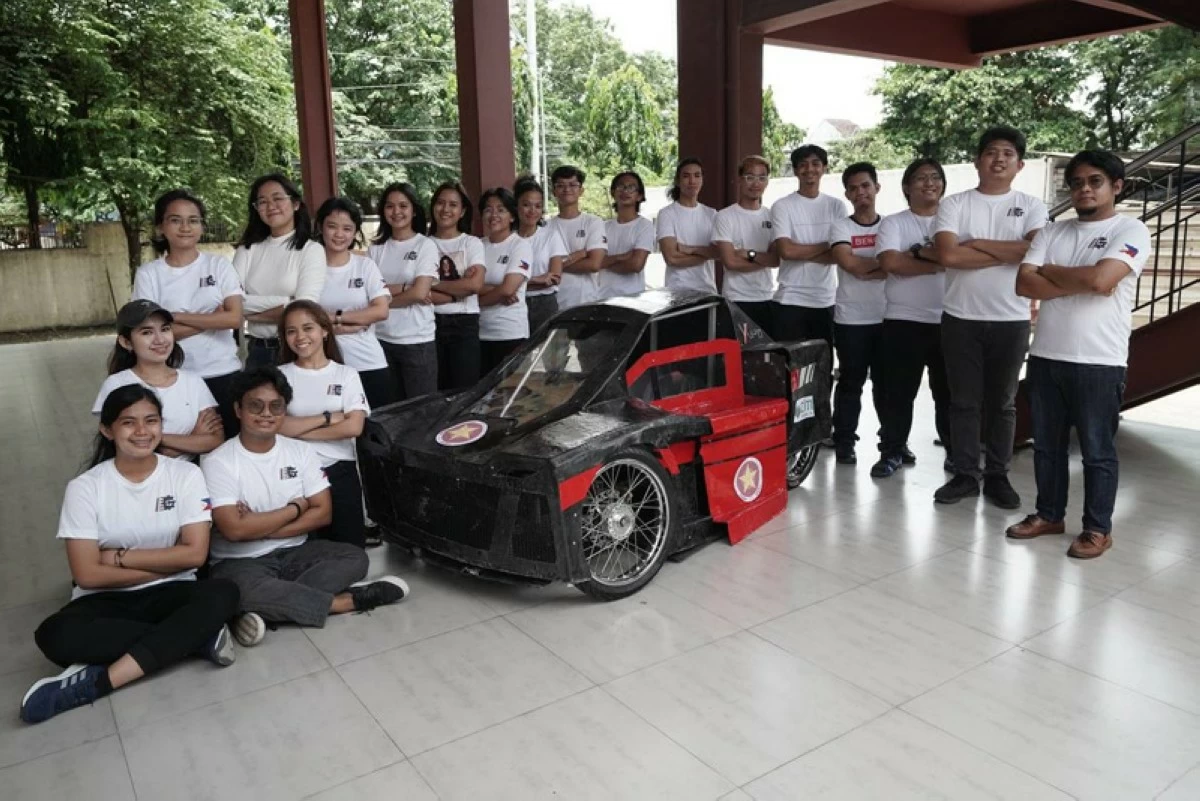
Polytechnic University of the Philippines (PUP) team, Hygears.
This international competition is proof that Filipino student engineers are proudly taking on the automotive challenges of tomorrow. It’s a clear sign that the future is bright for Filipino engineers and the automotive landscape.