







A case study in connected, shared, and electric road transport
Voltai helps advance PH's first business-to-business motorcycle battery swap ecosystem
By MBrand
Published Feb 2, 2026 03:16 pm


At A Glance
- The pace of transition to electric transport will largely depend on whether there are affordable, attainable, and practical solutions that are competitive to the norm.
- New electric vehicle player, Voltai, introduces its two-wheel battery swap ecosystem to the Philippines, which allows fleet businesses to be smarter, cleaner, and more cost-efficient.
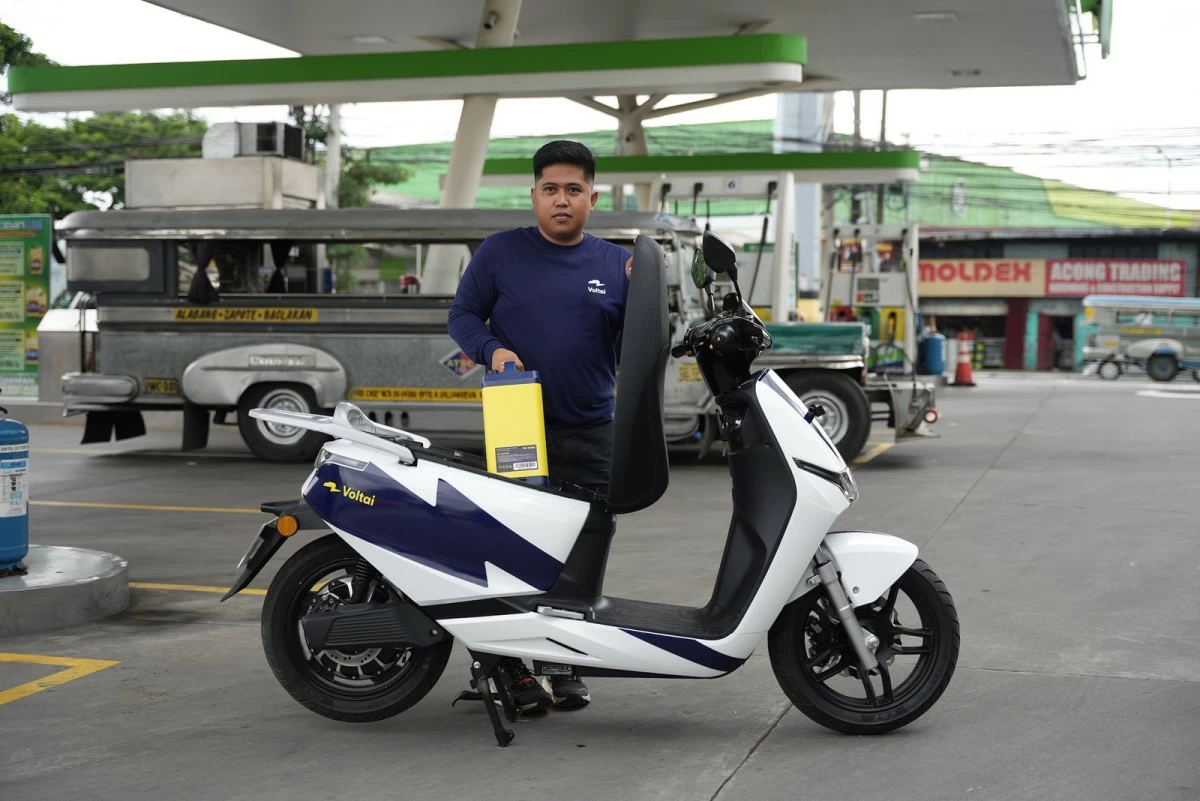
Voltai’s inaugural 2-watt two-wheeled electric vehicle, the AP01, can accommodate two swappable batteries. Unlike conventional EV charging methods, riders of the AP01 can exchange depleted batteries for fully charged ones in minutes, saving on time and allowing return to service almost immediately.
The energy transition in road transport to fleets of connected, shared, and electric mobility is starting to take shape in the Philippines, especially as fuel economy, emissions, and long-term costs of vehicle ownership weigh on the minds of sustainability-conscious businesses.
“Connected” means vehicles and infrastructure linked to the internet and software platforms, enabling real-time visibility over location, utilization, energy consumption, and performance.
“Shared” stands for mobility that lowers barriers to adoption by allowing multiple operators to access vehicles and energy infrastructure without owning and managing every asset themselves.
“Electric” describes vehicles powered by electricity, which is an alternative to traditional internal combustion engines using fossil fuels — reducing exposure to fuel price volatility, improving energy efficiency, and lowering emissions.
Today, drivers and riders are becoming more adept in using internet and mobility software, particularly through mobile apps, most especially for those working in the logistics, delivery, and ride-hailing markets. On the other side, passengers can more easily avail a variety of on-demand transportation services, which include even two-wheel motorcycle taxis — a driver of most of the projected electric vehicle (EV) growth in the coming years.
In the first nine months of 2025, hybrid cars, battery EVs, and plug-in hybrid EVs accounted for 6.02% of total domestic car sales, surpassing earlier projections. With the Electric Vehicle Industry Reform Act or EVIDA mandating at least 5% of fleets to be electric, more and more public and private organizations will advance and contribute to the transition.
Nonetheless, the pace of transition will largely depend on whether there are affordable, attainable, and practical solutions that are competitive to the norm. Even if EVs today are much more efficient in converting energy into motion, long charging times, limited public charging infrastructure, and high upfront costs remain significant barriers..
Rather than treating electrification as a long-term aspiration, some fleet operators are beginning to adopt models that make electric mobility workable within today’s constraints. These approaches focus less on vehicle ownership and more on cost predictability and operational flexibility.
In 2025, Voltai, an electric mobility venture under 1882 Energy Ventures of Aboitiz Power Corporation, entered the market and piloted the Philippines’ first business-to-business motorcycle battery swap ecosystem designed specifically for two-wheel fleet operations like delivery and logistics service providers.
New electric vehicle player, Voltai, introduces its two-wheel battery swap ecosystem to the Philippines, which allows fleet businesses to be smarter, cleaner, and more cost-efficient. Battery swapping with Voltai is easy and can be completed in minutes.
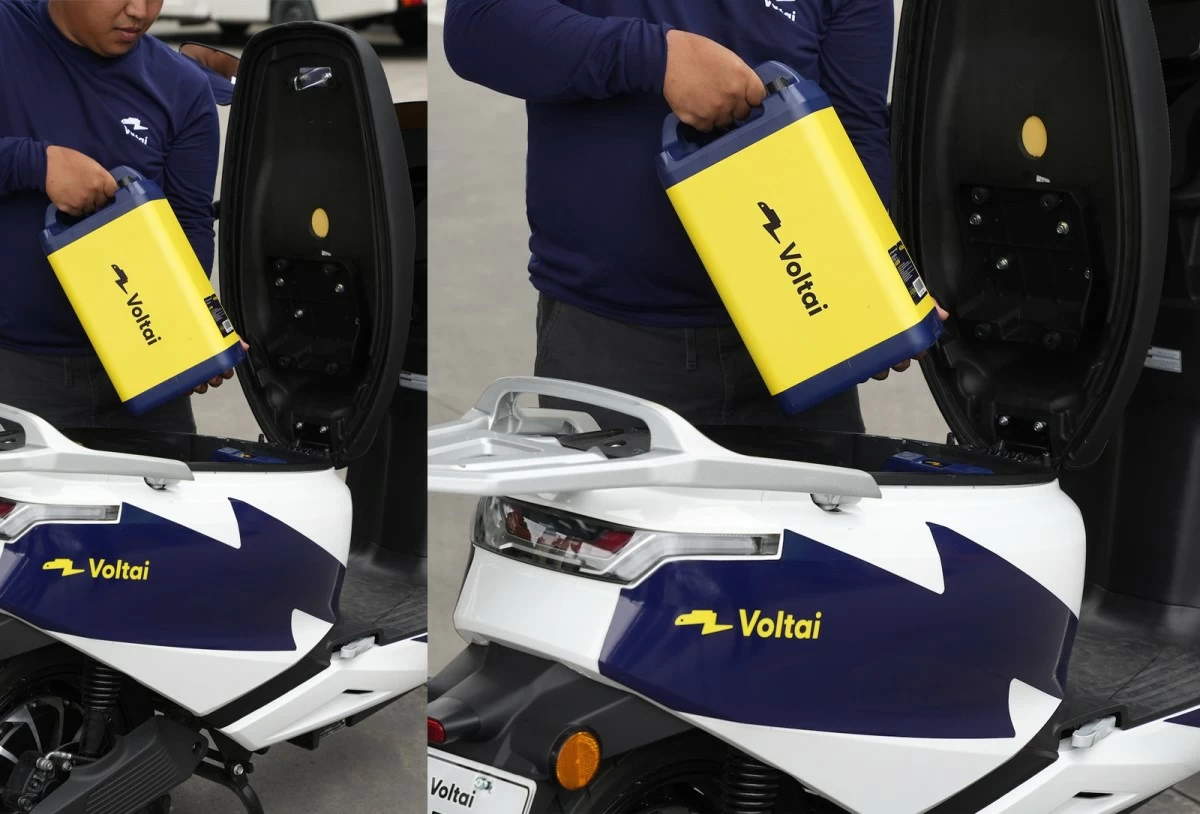
New electric vehicle player, Voltai, introduces its two-wheel battery swap ecosystem to the Philippines, which allows fleet businesses to be smarter, cleaner, and more cost-efficient. Battery swapping with Voltai is easy and can be completed in minutes.
Voltai offers a lease-based model that bundles electric motorcycles, batteries, and access to a battery swap network for a fixed monthly fee, which can shield fleet businesses from rising vehicle costs and fluctuating fuel prices, making it easier to scale cleaner and more sustainable fleets and lower attributed emissions. This shifts EV adoption from a capital-intensive purchase into an operational decision, helping fleets better manage costs and reduce exposure to fuel price volatility.
Voltai’s inaugural 2-watt two-wheeled electric vehicle, the AP01, is designed for Philippine roads, and is supported by Voltai’s growing electric two-wheel battery swap ecosystem. Instead of waiting hours to charge, riders exchange depleted batteries for fully charged ones in minutes, allowing them to return to service almost immediately.
Each AP01 unit can accommodate two swappable batteries, with initial testing showing a range of approximately 60 to 70 kilometers per battery. Advanced battery management systems, including thermal management and overcharge protection, are built into the design to comply with global performance and safety standards.
A dedicated mobile app also serves as a rider’s interface for checking battery health and identifying the nearest battery swap station. Tracking location, swap history, and rider performance data are also available.
At the same time, fleet managers also gain access to Voltai’s web-based Fleet Management System where they have a centralized view of rider location, energy consumption, trip history, cumulative mileage, alerts, and estimated carbon emission reductions. The system also allows fleet managers to organize riders by area or shift, supporting more disciplined utilization and improved traceability.
Voltai has partnered with fuel retailer Cleanfuel, as well as co-living and dormitory brand MyTown, to situate its pilot 15 battery swapping stations within Metro Manila — the largest 2-watt EV swap network in the Philippines thus far.
Voltai plans to further expand in the metro and nearby provinces, as well as metropolitan areas in Visayas and Mindanao in the mid-term.. The venture manages the batteries and the network themselves, while also guaranteeing warranty and offering optional insurance coverage in their leasing packages. These options can help manage the maintenance costs of fleet businesses.
Mobility under Voltai is “connected” via its dedicated mobile app and Fleet Management System; “shared” thanks to its business-to-business leasing approach that lowers barriers for multiple fleet operators to access cleaner mobility; and “electric”, allowing fleet businesses to switch from gas-powered two-wheel fleets to electric, and hence reducing exposure to fuel price hikes and lowering attributable emissions.
“The Voltai pilot preview marks the first step toward building the future of fleet e-mobility in the Philippines — smarter, cleaner, and more cost-efficient,” said 1882 Energy Ventures Head of Ideation and Voltai Co-founder and CEO Fazlur Abdul Rahman. “As a business-to-business solution, it addresses downtime, frequent maintenance, and fuel cost challenges for fleet businesses and riders, while also providing remote visibility on utilization.”
Voltai’s pilot battery swapping stations are located in 15 select locations along Commonwealth to Muntinlupa. In the near term, it has plans for expansion in Metro Manila and nearby provinces.
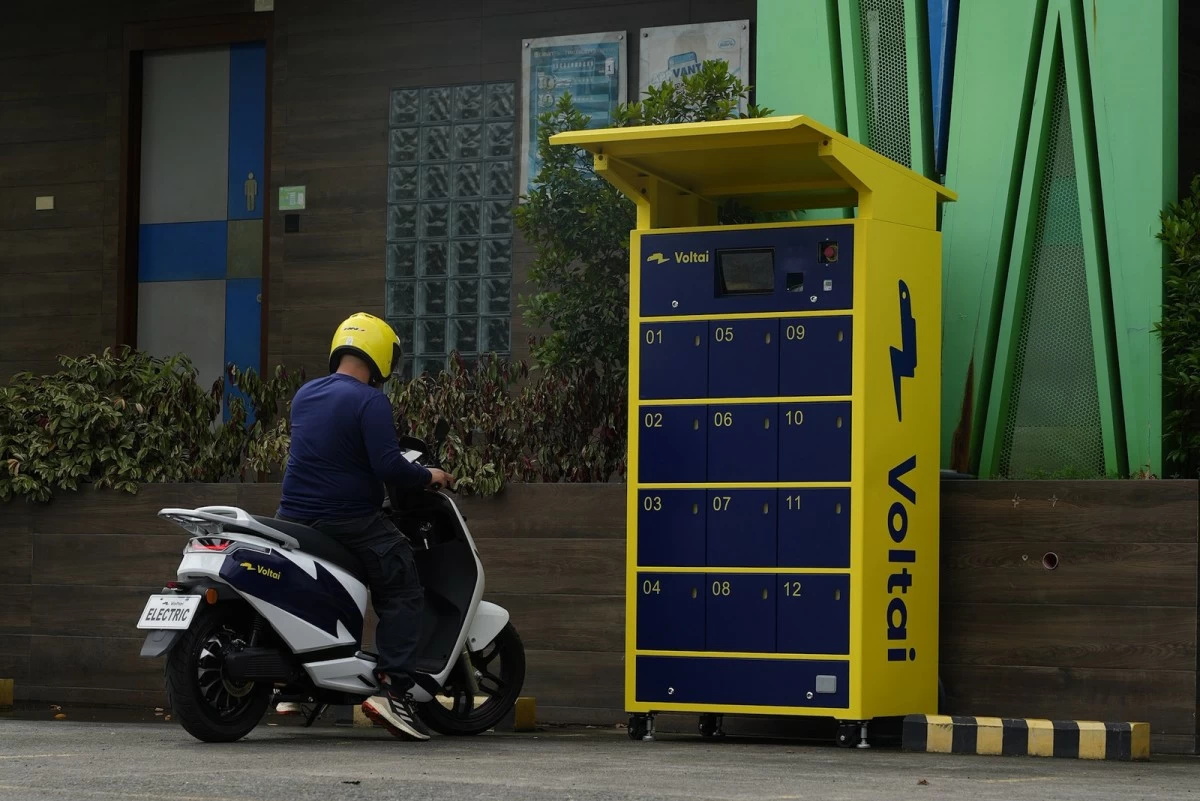
Voltai’s pilot battery swapping stations are located in 15 select locations along Commonwealth to Muntinlupa. In the near term, it has plans for expansion in Metro Manila and nearby provinces.
While passenger cars often dominate EV discussions, two-wheel fleets are expected to play a significant role in near-term adoption due to their high daily utilization and suitability for urban routes. Solutions that are affordable, attainable, and practical will largely determine how quickly this transition accelerates.
As the country’s transport ecosystem continues to evolve, initiatives that combine infrastructure, vehicles, and data into a single operating model may prove essential in turning the energy transition from policy intent into everyday practice.