






Manila Bulletin
 Philippines
National
House panel OKs bill on TESDA training for rehabilitated drug dependents
Philippines
National
House panel OKs bill on TESDA training for rehabilitated drug dependents
Philippines
National
House panel OKs bill on TESDA training for rehabilitated drug dependents
House panel OKs bill on TESDA training for rehabilitated drug dependents
Published Feb 1, 2026 04:01 pm


At A Glance
- A measure directing the Technical Education and Skills Development Authority (TESDA) to roll out targeted training and livelihood programs for the benefit of rehabilitated drug dependents has hurdled the committee level at the House of Representatives.
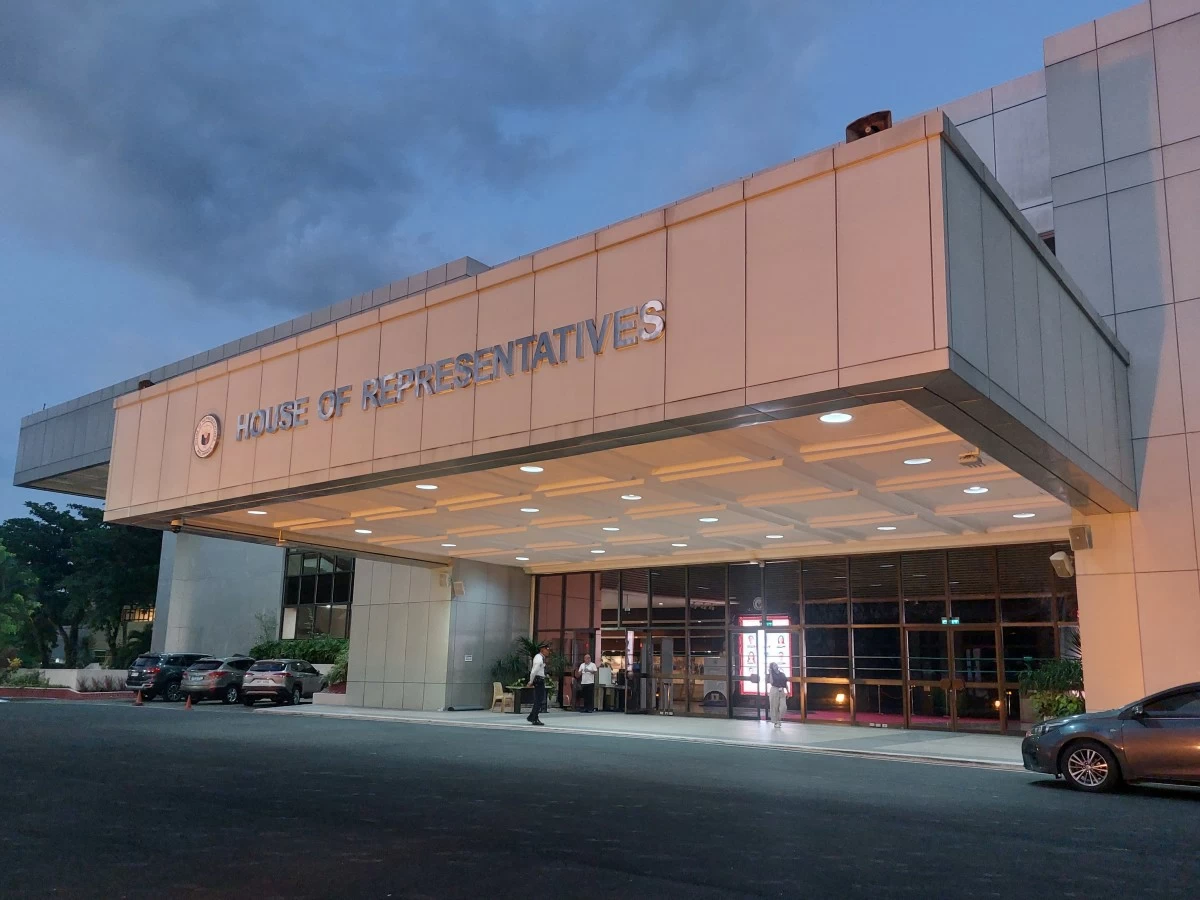
The House of Representatives (Ellson Quismorio/ MANILA BULLETIN)
A measure directing the Technical Education and Skills Development Authority (TESDA) to roll out targeted training and livelihood programs for the benefit of rehabilitated drug dependents has hurdled the committee level at the House of Representatives.
Jointly authored by former House Speaker Leyte 1st district Rep. Martin Romualdez and Tingog Party-list led by Jude Acidre, House Bill (HB) No. 4699 institutionalizes a TESDA-led pathway that equips recovering individuals with employable competencies while giving employers clear incentives to hire them.
“We are encouraging hope in this bill of former Speaker Romualdez and make recovery real for families," Acidre, chairman of the House Committee on Higher and Technical Education, said in a statement Sunday, Feb. 1.
"When TESDA training is matched with actual job opportunities and incentives for companies, people who did the hard work of rehabilitation can finally move forward with more hope for a better future,” he said.
Acidre lauded the members of the Committee on Higher and Technical Education for moving swiftly on the measure.
"This will help open doors for a segment of our society that suffers from the social stigma that keeps them from seeking help, and it tackles the practical hurdle of finding dignified work after rehabilitation,” he noted.
Under the proposal, TESDA, in coordination with the Department of Labor and Employment (DOLE), will design and implement technical-vocational education and training and livelihood programs specifically tailored to rehabilitated drug dependents, with a focus on competitive, market-ready skills that can lead to wage employment or small enterprise.
The measure also tasks DOLE to provide incentives to companies that employ graduates of these TESDA programs, creating a concrete bridge between skills training and hiring decisions in the private sector.
To ensure continuity and scale, the bill requires TESDA to integrate program funding into the General Appropriations Act so that training slots, tools and partner scholarships are not left to ad hoc arrangements but become a regular line of service.
Implementation will be guided by rules to be crafted within 60 days from effectivity, with TESDA and DOLE directed to issue the program’s implementing rules and regulations, including standards on course design, certification, employer engagement and monitoring of employment outcomes.
The panel approval sets the bill up for plenary consideration, where proponents expect bipartisan support given its focus on second-chance employment, industry partnerships and measurable results like job placement rates and enterprise start-ups among graduates.