







Where is news going in 5 years?
Manila Bulletin Lifestyle speaks with youth leaders, influencers, and artists on the future of news and its consumption
Published Jan 31, 2026 01:34 pm




I think news will eventually be coursed through trusted individuals, known for their sound judgement and credible sources of information, as opposed to specific groups of companies or corporations. I find people are looking to persons of integrity for insight.
News is changing to fit how people live now. People don’t sit down and “consume news” the way they used to. They check updates in between things: on the way to work, while waiting, during short breaks. Because of that, people prefer news that’s straightforward, fast to understand, and immediately clear. If it takes too long to get to the point or feels confusing, they’ll just keep scrolling.
Personally, I search for news on social media, specifically from verified media channels, because it’s convenient and can be readily accessed anytime. It allows me to engage as well, whether that’s commenting, sharing, or sending it to someone else.
More broadly, people are exposed to news through a mix of feeds, shared links in group chats or DMs, and then follow up with trusted outlets when they want more depth or confirmation.
Despite changes in media platforms and the rise of machine-generated content, humans will always gravitate toward stories told by humans. In a society driven by short-form content and instant gratification, it’s been hard to avoid misinformation in the news, and the desire for authenticity, especially in factual information, has never been stronger. Although, due to the way our capitalistic system functions, news platforms and the way we understand such may be reduced down to personalized AI summaries and machine-generated content. But with the global tensions between state and its people, trust in information is shifting from institutions to individuals and groups on the ground.
People sharing their lived experiences, in whatever format feels most comfortable and accessible to them. These narratives carry a sense of truth that feels harder to distort and easier to understand. News formats may transform, but ultimately the most trusted stories will come from those most affected by the news, as they are often best able to communicate reality honestly, in real time, and with emotion others can connect to. In today’s political climate, trust lies more with individuals than institutions. The future of news may return to human storytelling, valuing lived experience, and honesty over efficiency, AI summaries, and paid narratives.

In my point of view, people are now getting their news from TikTok mostly. People like videos. They’re easier to watch. People are overstimulated in general with so many things happening around the world. There will always be good and bad, and it’s up to us what to believe. But always take everything with a grain of salt.

Now that we live in a hyper-connected digital age, news can be received and consumed everywhere, all the time. We can even control the algorithm of what we choose to consume and what we subscribe to. And with the rise of AI and fake news, we have to be even more discerning with their legitimacy. In the next five years, I can forecast the rise of even more channels, platforms, and media outlets, and see it have a more human side, like more conversational podcast formats, as well as more youthful approaches to cater to a younger generation.
As silly as it may sound, memes play a big role in how people stay informed today, and I think that’ll only grow over the next five years. For a lot of people, memes are already their first exposure to what’s happening in the world. While social media is where news lives now, it’s usually viral memes that make information spread fastest.
The humorized headlines and remixed news clips spark curiosity and push people to look things up and understand the context behind them. But with how fast content moves, and with AI making it easier to create convincing fake images, videos, and headlines, fact-checking becomes even more important than it ever was before.
News consumption is becoming more visual, informal, and share-driven. People often encounter news through memes or short-form content first, then decide whether to dig deeper. It’s not the most ideal version of our reality now, but that’s clearly where things are headed.

Over the next five years, I see the news being more accessible, more inclusive, maybe even more integrated into daily life. Audiences are increasingly discovering stories over digital platforms like social media and streaming platforms. This shift gives journalism new ways to engage with its audience and to evolve in its formats that are more visual, maybe something more immediate and responsive to its audience’s evolving habits.
At the same time, I believe people will place more value on credibility. Credibility will matter more than ever as information becomes abundant and easily replicated. Audiences will place greater value on trusted news platforms and sources that provide accuracy, context, and accountability. I am hopeful that print, in particular, will offer added value for readers who value having a space to consume the news and reflect on it, away from the constant noise of comments and the continuous feed of digital platforms. Together, print and digital formats will strengthen journalism’s role as a public service, delivering both speed and everything the readers need to know from current events to culture.
The future of news lies in this balance, where innovation improves access and credibility builds confidence. The news will keep pace with change and provide people with meaningful conversations, important information, and important stories that enrich our culture.
Technology has fundamentally altered how we consume news. Information—accurate or otherwise—is now available in real time, with social media emerging as the dominant news source, particularly among younger generations. This ease of access has come at a cost: the rapid and widespread circulation of misinformation.
It will only become more complex with the emergence of new technologies, like artificial intelligence. While an extraordinary tool, it also carries serious risks when used to manipulate or fabricate information. Amid these changes, the challenge ahead is how to protect information integrity. For businesses like ours, a long-standing commitment to legacy and authenticity provides an important safeguard in an increasingly uncertain information landscape.
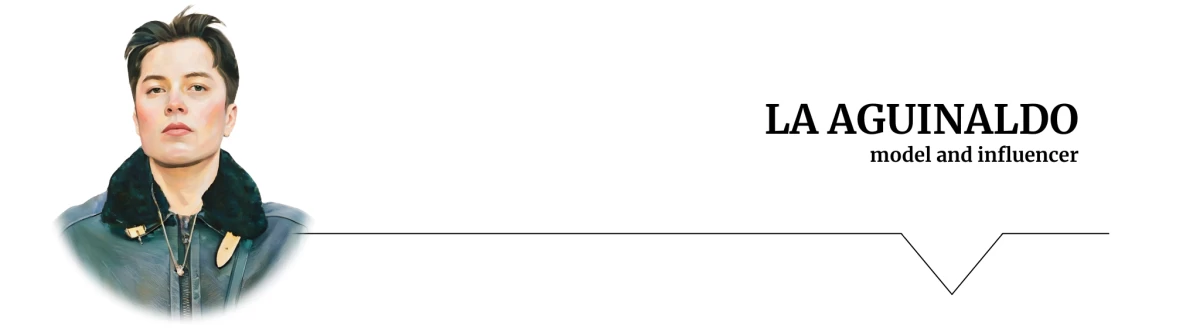
I think responsible journalism will be prevalent more than ever. With the public having access to research and fast fact-finding, news will have to become as transparent as it can be as the audience becomes more vigilant.
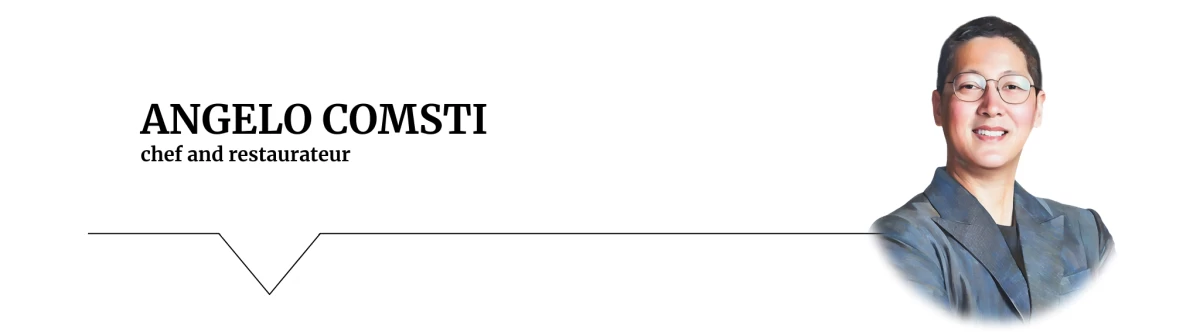
News is headed to a place I never would have expected it to head. As a traditionalist and longtime journalist, I’ve always appreciated paper as my source of news. But it seems like gone are the days, and it would take a miracle to bring that time back (still hoping, though).
Credibility will play an important part in delivering and receiving news as misinformation continues. And so, in-depth, duly verified reporting will be quite the hunt, but definitely worth seeking out and valuing. There’s also the rise of professional journalists creating their own individual platforms to deliver news on social media—a most welcome pivot to influencer-style engagements. Take attorney Aaron Parnas, for example. He delivers real, raw, unstructured bite-sized news, which makes it convenient—and perhaps, more authentic—to our current lifestyle.
Times have indeed changed—a lot, and very fast at that. And so, one has to keep up—or be left behind.
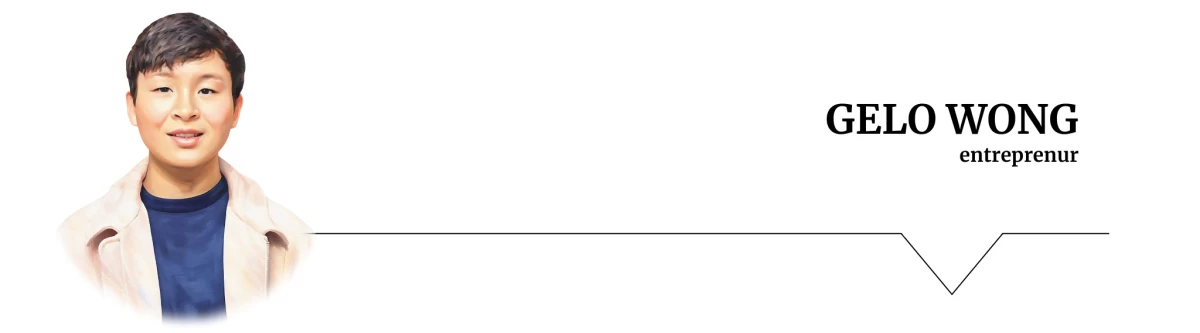
Over the next five years, news will be less about where it’s published and more about how trust is earned. Audiences are increasingly consuming news through social feeds, messaging apps, newsletters, podcasts, and short-form video, often shaped by algorithms and peer sharing rather than traditional front pages. As AI accelerates content creation and distribution, credibility, verification, and context will matter more than speed alone. Readers will gravitate toward institutions that are transparent about sources, accountable in their reporting, and clear in separating facts from noise. In this environment, established news organizations have a critical role not just in reporting events, but in anchoring truth and helping Filipinos navigate an increasingly fragmented information landscape.