






Manila Bulletin
 Philippines
National
Unseen by many, how a labor inspector provides hope, inspiration to Filipino workers
Philippines
National
Unseen by many, how a labor inspector provides hope, inspiration to Filipino workers
Philippines
National
Unseen by many, how a labor inspector provides hope, inspiration to Filipino workers
Unseen by many, how a labor inspector provides hope, inspiration to Filipino workers
By Trixee Rosel
Published Jan 31, 2026 04:14 pm


In a world where big business usually dwarfs the rights of workers, a labor inspector is looked
up to as a sort of an “equalizer”, a dependable go-to-person to make sure that laborers are
provided with safe, healthy, and productive work spaces to equal the balance between
employers and employees.
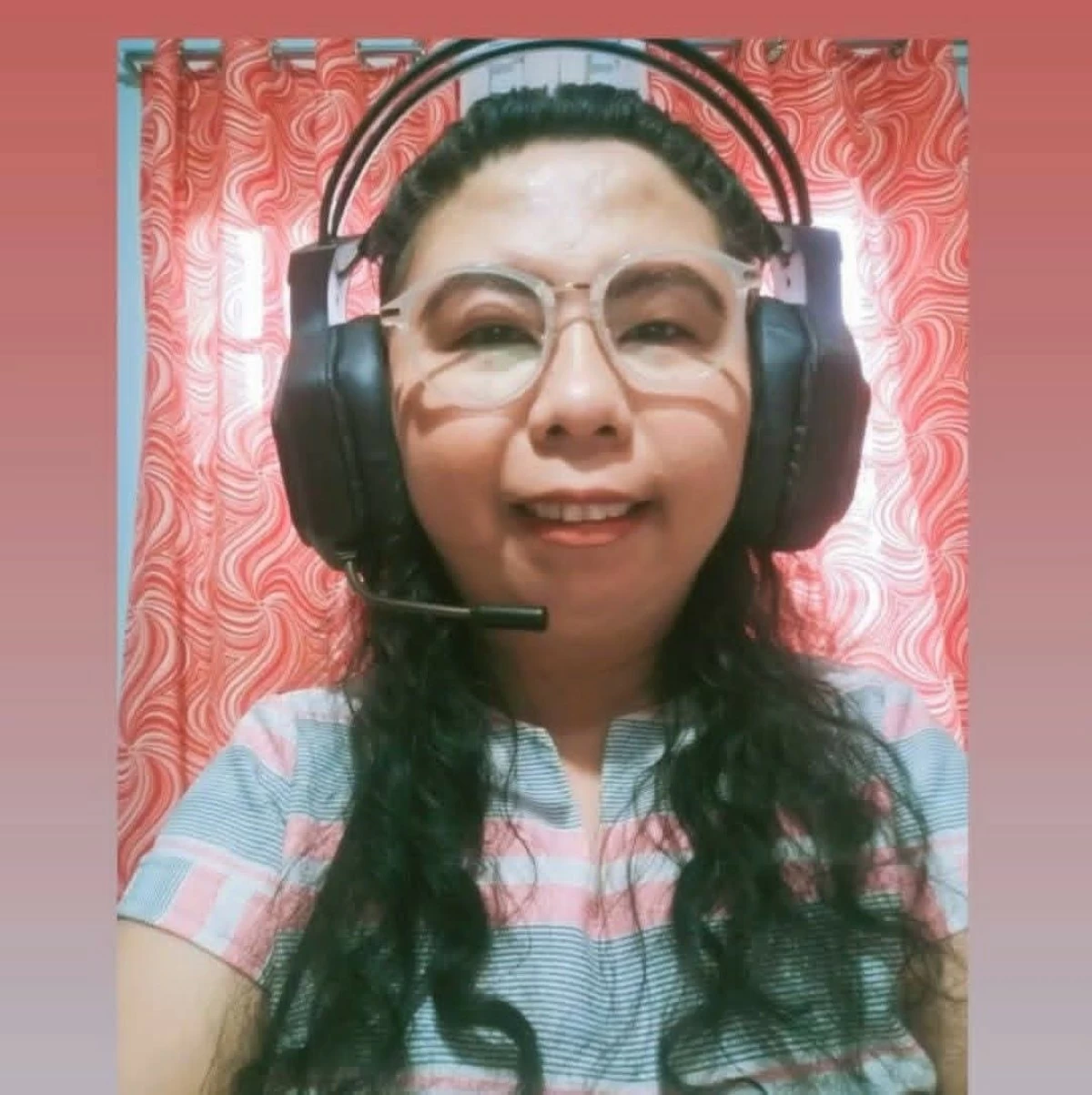
This has been the simple, quiet mission of Eloisa “Loisa” Montalban, 35, a labor inspector of the
Department of Labor and Employment (DOLE) who has become a guardian and beacon for
Caloocan City’s most vulnerable workers.
Loisa’s work often goes unnoticed—but the impact of her interventions have given so much
hope to so many workers and their families, a dedication that has resonated to so many
families, workplaces, and communities that their loved ones would be able to work at safe and
health spaces.
Inherent dedication to workers’ rights
Montalbo’s mission in life to protect workers’ rights actually started at home.
Born in a modest home in Quezon City, Loisa grew up observing her parents’ relentless work
ethic.
Her father, a jeepney driver, often came home exhausted, yet never missed feeding and guiding
his children.
Her mother juggled market stalls and odd jobs to support the family.
“I saw my parents fight every day just to survive,” Loisa recalled. “It made me understand early
on that work isn’t just about income—it’s about dignity.”
Determined to pursue a career that could make a real difference, she earned a degree in Public
Administration and later joined DOLE.
“I wanted to be where I could protect people, not just enforce rules,” she said. “It became my
calling.”
A routine check that became a turning point
Loisa recalled one instance when a standard response to a report on possible labor violations
quickly revealed deeper and more dangerous conditions inside the facility where dozens of
laborers worked.
Inside the factory, workers moved quickly, faces etched with fatigue, machines whirred
dangerously close, as she observed safety protocols ignored.
“I immediately knew something was wrong,” Loisa said. “This wasn’t just about compliance—it
was about life and safety.”
The facility manager’s aggressive stance complicated matters. He initially refused to cooperate,
hinting at legal threats while attempting to intimidate her.
Loisa paused, weighing the risks—but she couldn’t walk away from the workers, counting
among them elderly people, some middle-aged workers, and their teenaged children who were
barely old enough to work legally.
Loisa’s intervention required patience, strategy, and courage. She carefully navigated the legal
framework, ensured workers’ protection, and negotiated with the employer.
Hours passed with tension mounting.
Through her persistent guidance, the adult employees received proper compensation, while
vulnerable teenagers were guided safely out of the unsafe environment.
The ripple effect extended across nearby establishments, prompting improvements in
workplace safety and labor compliance.
“The most challenging part was managing fear—not just my own, but the workers’,” Loisa said.
“They trusted me, and I couldn’t let them down. Every word, every decision mattered.”
At the end of the day, the employees found renewed hope that a labor inspector was able to
inject such changes that would allow them to just go on and work in more favorable, safer
conditions.
Unexpected twists on the job
There was also a time when she found herself in the middle of a construction site accident
where workers found themselves trapped at a makeshift scaffolding.
Acting swiftly, she coordinated with safety officers, and convinced the supervisor to halt
operations, ensuring immediate safety.
Then there was an incident when a factory supervisor attempted to bribe her just to overlook
violations at his workplace.
But Loisa was unmoved. She went about her job, and documented the incident, reported it to
her superiors, and later mentored the staff on ethical practices.
“It’s a subtle victory,” she said. “You don’t see headlines for it, but it prevents bigger problems
down the line.”
“And for me, that gives the workers hope and inspiration that some is on their side.
Beyond routine inspections
For Loisa, the work never truly ends. She spends hours even after office work, checking on
workplaces, mentoring junior inspectors, and personally advising employees.
“It’s not enough to write a report or issue a notice,” she said. “You have to see that your
intervention leads to real, lasting change.”
She works closely with community-based organizations, worker unions, and local advocacy
groups to strengthen protections.
Through education sessions and one-on-one consultations, she ensures employees understand
their rights.
Loisa’s holistic approach transforms inspections from mere enforcement into empowerment
initiatives.
Family and personal sacrifices
Behind her professional courage lies a deeply human story. Loisa balances her demanding
career with caring for her family, including three young nieces who look up to her as a role
model.
Her younger siblings often turn to her for guidance, inspired by her dedication.
She admits the emotional toll has been heavy.
“There are days I leave work feeling drained because I’ve absorbed the fear, frustration, and
pain of the workers,” she said.
“But every smile, every thank-you, every sign that someone feels safer because of what I
did—that’s why I keep going.”
Loisa’s work teaches lessons that transcend regulations: courage is quiet but impactful,
empathy is as crucial as enforcement, and small interventions can create systemic change.
“Even if it seems to be routine to others, our work has a ripple effect. One intervention can
inspire others to speak up, to act, to demand fairness. Somehow, we are able to create hope for
other workers,” she said.
Her story reveals a rare truth that public service isn’t just about rules. It is about humanity.
Inspectors like Loisa operate in unseen corners of the city, turning what may seem like ordinary
inspections into life-changing moments.
Loisa may continue to be faceless inside the DOLE bureaucracy.
But it is undeniably in the frontline, nay, a bulwark in ensuring that workers are able to thrive in
a safe and healthy environment.
“Some days, it feels like a constant battle, and I question if one person can truly make a
difference,” she admitted.
“But when I see workers regain hope, when I witness families breathe easier, I know I am
exactly where I’m supposed to be. That is what inspires me every day.”