







No better time to drive green than now
How far hybrid and full EVs have come
By Inigo Roces


At A Glance
- Manila Bulletin has been covering hybrids and electric vehicles since they've been made available for retail in the late 2000s.
- It's easy to understand why hybrids and EVs were not even considered back then.
- Knowing about how long these kinds of vehicles have been in development and how far they've come actually makes you appreciate just how amazing the current crop of hybrid and EV models are.
There’s no doubt that hybrids and full EVs are fast becoming a viable option for new car buyers in 2026. The recently released 2025 sales report from the Chamber of Automotive Manufacturers of the Philippines (CAMPI) notes that hybrids and EVs accounted for 12 percent of total sales or almost 60,000 units last year.
Nonetheless, there are understandably still a few buyers on the fence about making the switch. Some are citing anxiety and uncertainty over the new technology. Some are worried about changing their driving behavior. Others worry about the current charging infrastructure. Yet compared to how these issues were addressed in the past, these problems seem trivial today.
A decades old technology
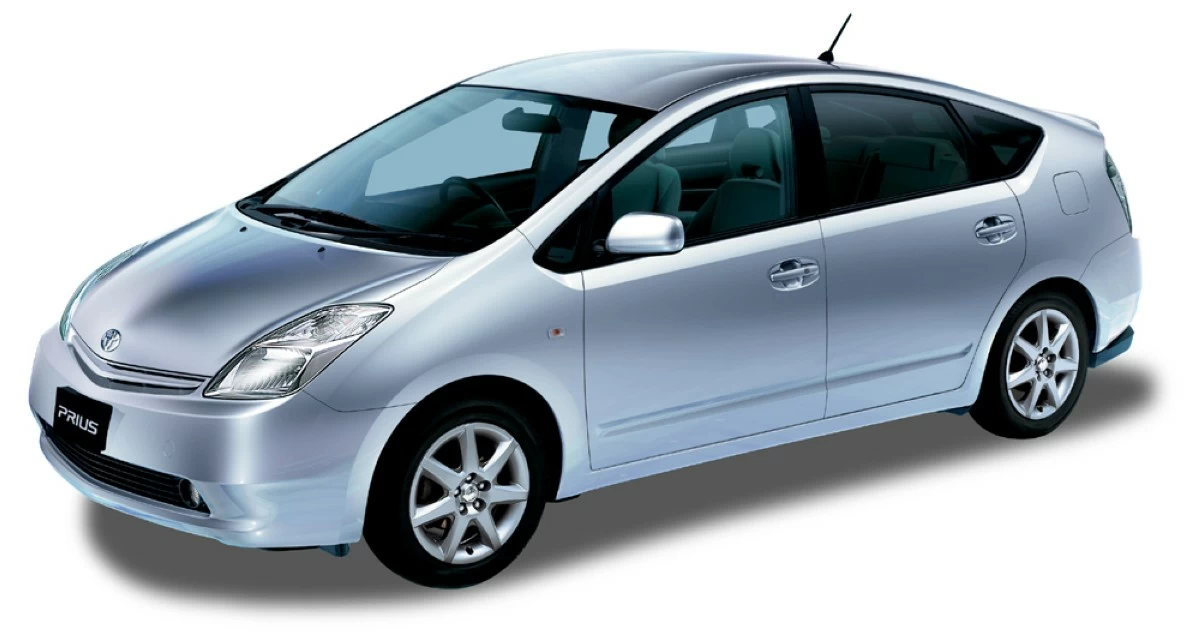
Is it really a new technology? Manila Bulletin has been covering these vehicles since they’ve been made available for retail in the late 2000s. This writer has personally reviewed the second-generation Toyota Prius hybrid when it was first officially sold in 2009. Back then, only a few brands were bold enough to offer these vehicles, with Toyota, Honda, Nissan, Mitsubishi, Hyundai and BYD (under a different distributor) offering electrified models even without the excise tax and coding exemption they enjoy today.
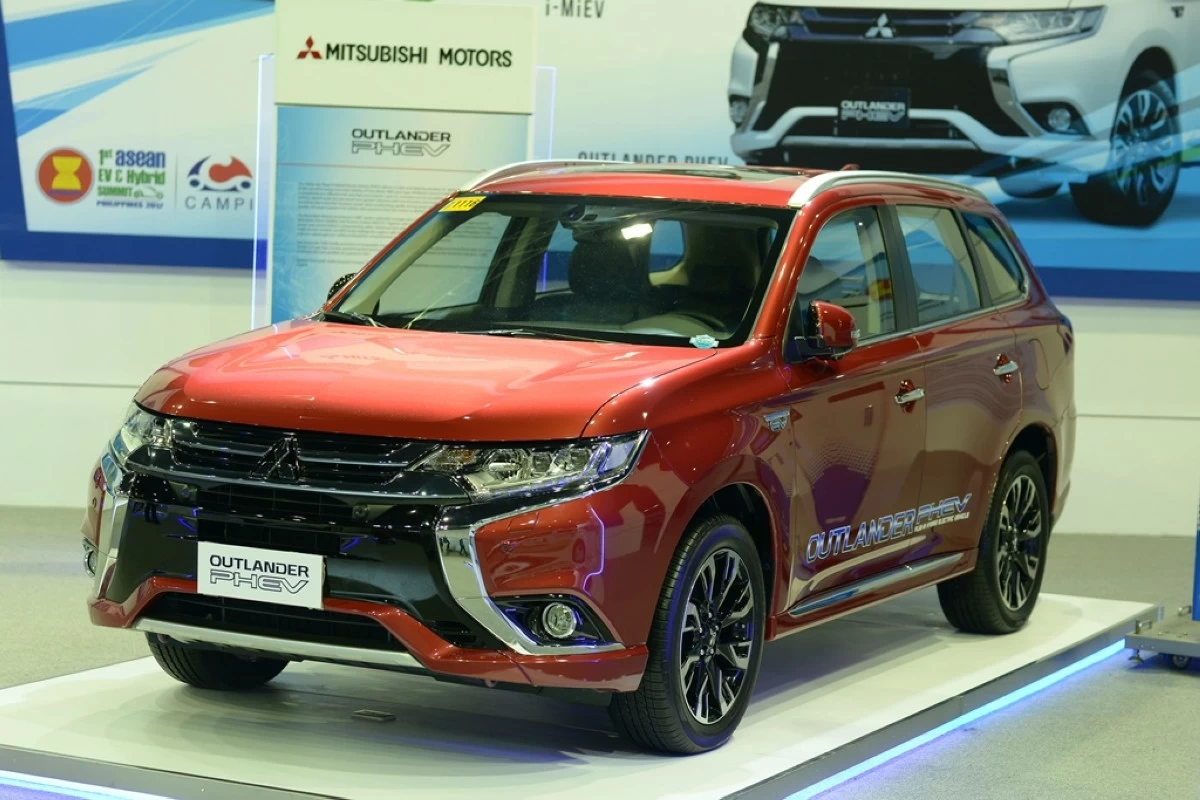
Toyota had the Prius, Honda offered the Insight and CR-Z (mild hybrid), Nissan had an earlier model of the LEAF, Mitsubishi had the Outlander PHEV, Hyundai had the first generation of Ioniq EV and hybrid sedans, while BYD was already offering both EVs and PHEVs. Without the excise tax exemption, these vehicles were priced higher than the average executive sedan (e.g. Camry or Accord), making them quite a tough sell for small cars at the time.
Hybrid technology was first developed in the 90s, with the first retail models arriving in the early 2000s. EVs are actually a century old. The first Porsche car was actually electric. Electric golf carts have been around for a while. However, they were only offered to customers in the late 90s and early 2000s because battery technology evolved enough to make them more practical.
How they drove
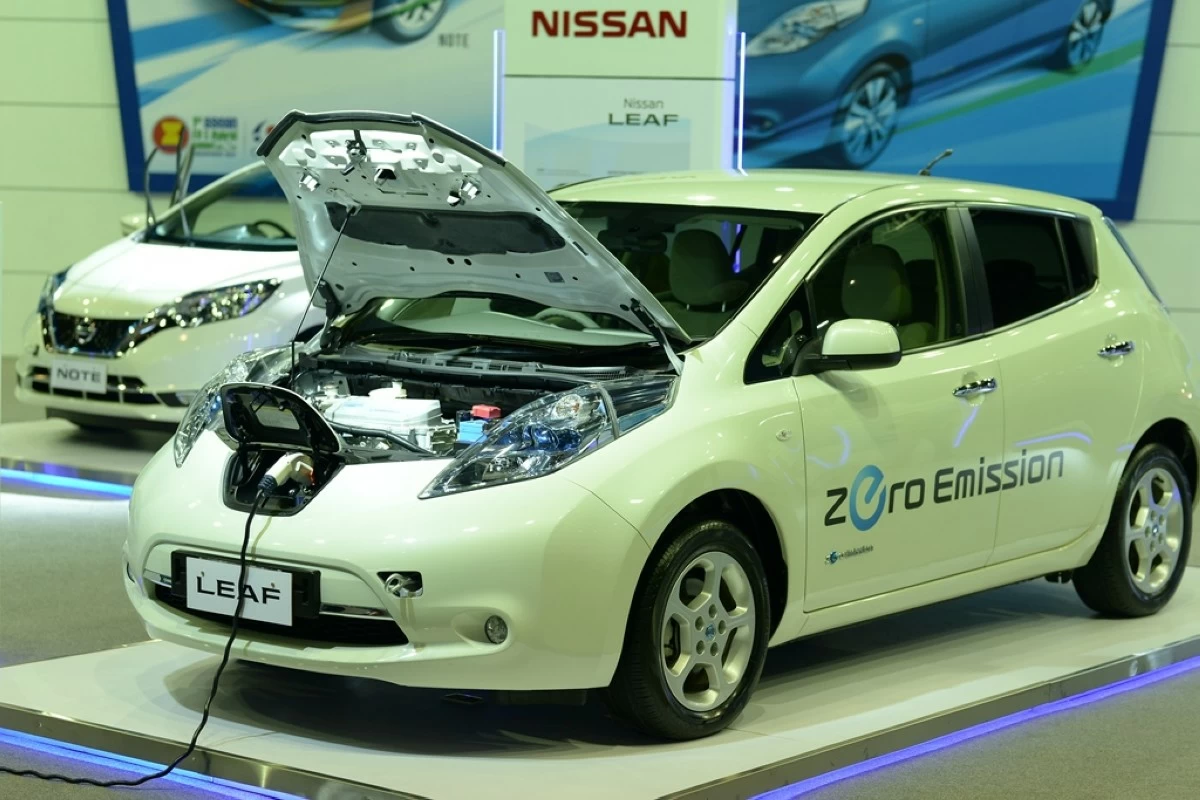
It’s easy to understand why hybrids and EVs were not even considered back then. Besides the incredibly high price, their range left a lot to be desired. At the time, EVs could only travel about 100-km with a full battery and took eight or more hours to charge without a fast-charging option. Hybrids could only travel 50-km on electric power alone, with many even lacking the common plug-in option we enjoy today.
Electric motors were quite weak, with most being single motor hybrids or EVs as opposed to the common dual- or even triple motor models today. These cars were no faster than their ICE counterparts. In fact, they were much slower owing to the very heavy batteries; heavier Nickel-Metal Hydride (NiMH) was the top battery choice then because Lithium Ion was still quite expensive. Efficiency wasn’t stellar either as even the Prius, when driven conscientiously, would struggle to rival the efficiency figures of a standard Honda Jazz at the time.
Lack of infrastructure
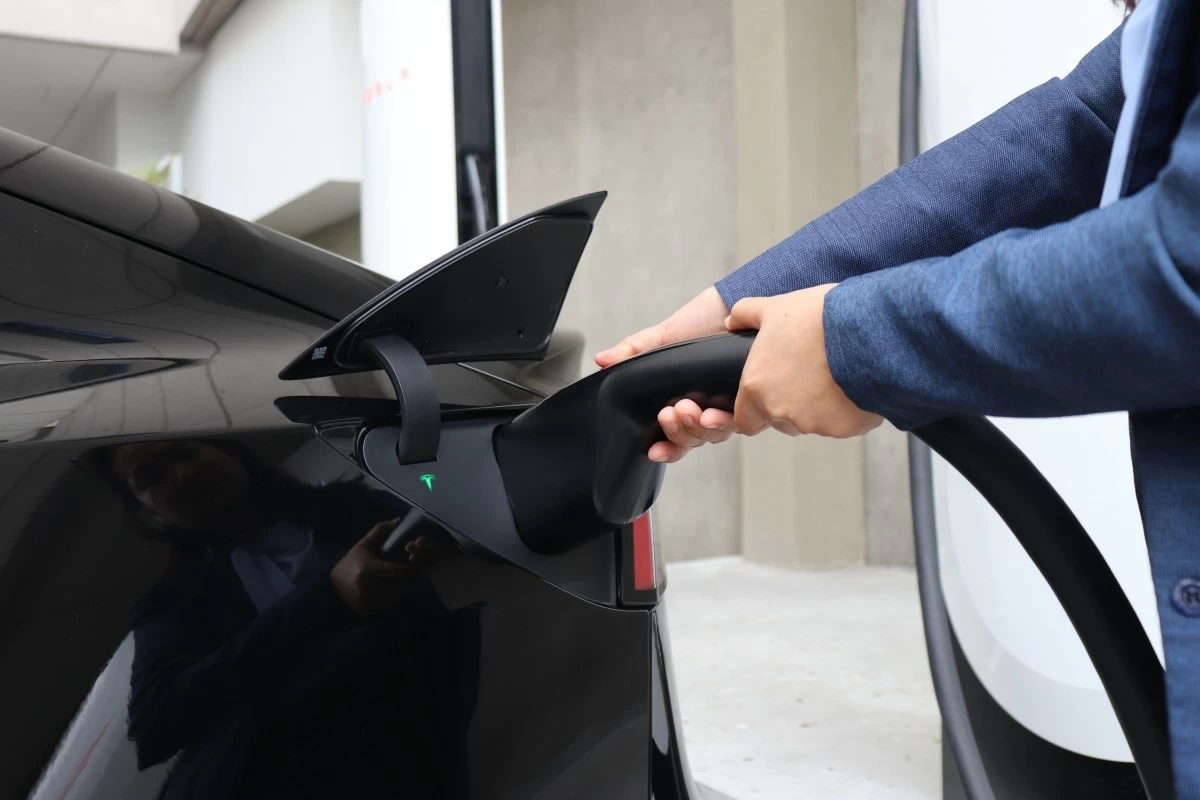
Purchasing a full EV at the time was an even taller order. These days, we can expect every mall in major cities around the country to have at least two charging points. There are even several apps that make finding a charging point incredibly easy.
Back then, EV buyers had no choice but to rely on their own slow, outlet-based charger and/or select dealerships. Wall chargers were an optional extra early EV buyers had to pay for. In addition, only a handful of enterprising establishments had EV chargers, most of which were not even available to the public. The few that were used the CHAdeMO standard as it was widely believed then that the country would adopt the Japanese standard. Even so, most of these were set up mainly for CSR purposes and were frequently not operational when the rare customer did show up to charge.
Charging for free
If only EV buyers back then knew how good we’d have it today. Currently there are several options for EV and PHEV owners to charge for free. Malls like SM, Robinsons, and Rockwell still offer free charging for these vehicles. It may change soon, but as of this writing, this charitable effort continues.
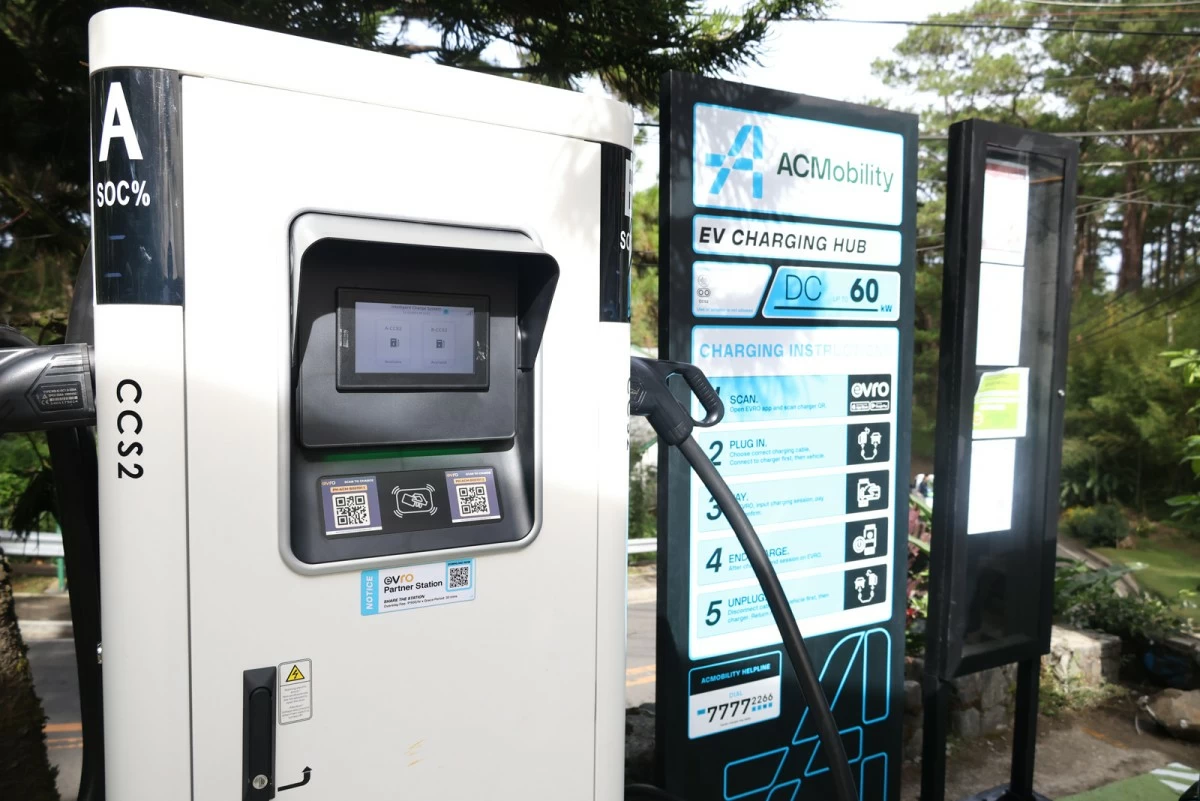
Owners of Tesla vehicles can currently enjoy discounted charging rates, typically lower than other pay-per-charge networks. ACMobility charges for the use of its charging network, however members can frequently avail of free charging credits offered by the company occasionally during promos.
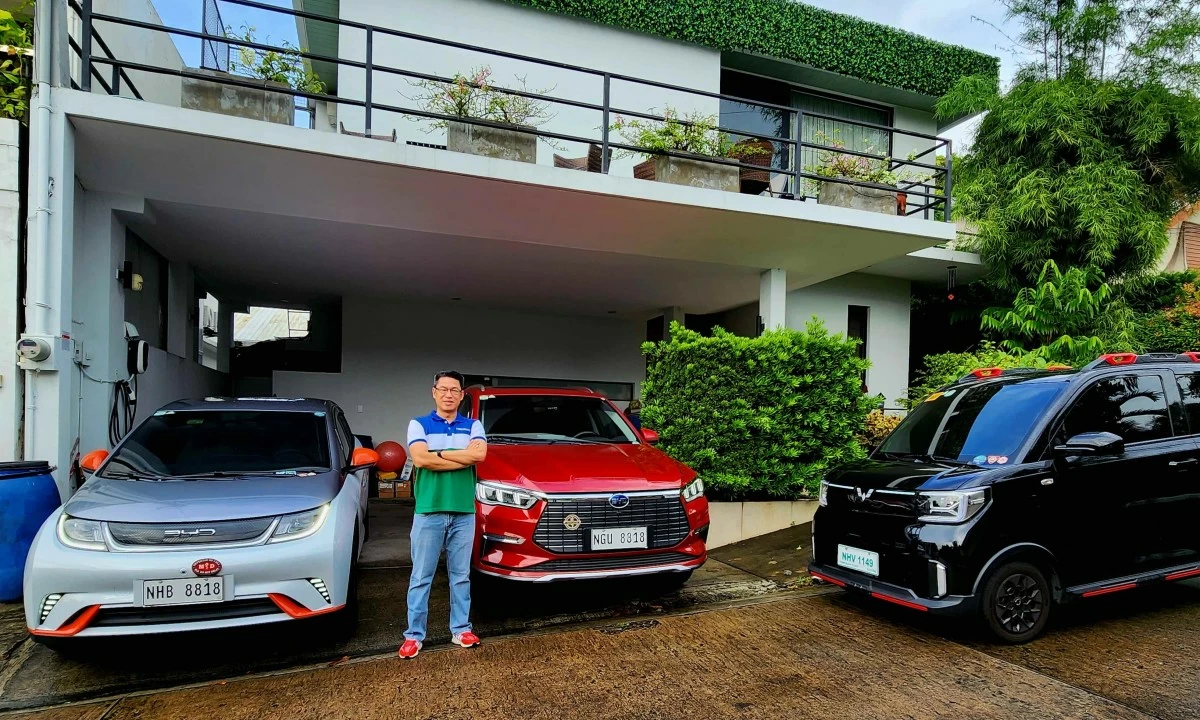
Perhaps the best way to charge for free is to setup one’s own home charging system with solar or wind power. Dr. Joel Macatula, a neurosurgeon and electrical engineer that we’ve featured in Manila Bulletin has come up with a unique way to do so. By employing solar panels, a power storage system, and net metering system with his electricity provider, Dr. Macatula is able to collect power from the sun, store it for charging, and use it to eventually charge his three EVs. On months with ample sunshine, he is even able to give back to the electric grid, effectively negating his electricity consumption. Granted, this requires significant upfront investment. Yet in just a year or two, the cost of the energy he saves eventually pays for itself. These are home modifications any homeowner can currently avail of, something unthinkable just a decade before.
Knowing about how long these kinds of vehicles have been in development and how far they’ve come actually makes you appreciate just how amazing the current crop of hybrid and EV models are. Whichever is chosen, the planet will most likely thank you as it means less carbon emitted without having to change the way you commute or travel.