







How this mom raised a son with autism into adulthood
From a diagnosis in the early 1990s to building a home-based food business today, Christine Roa shares what it really takes to parent a child on the spectrum for life
Published Jan 31, 2026 12:35 pm
|
Updated Feb 9, 2026 09:21 am


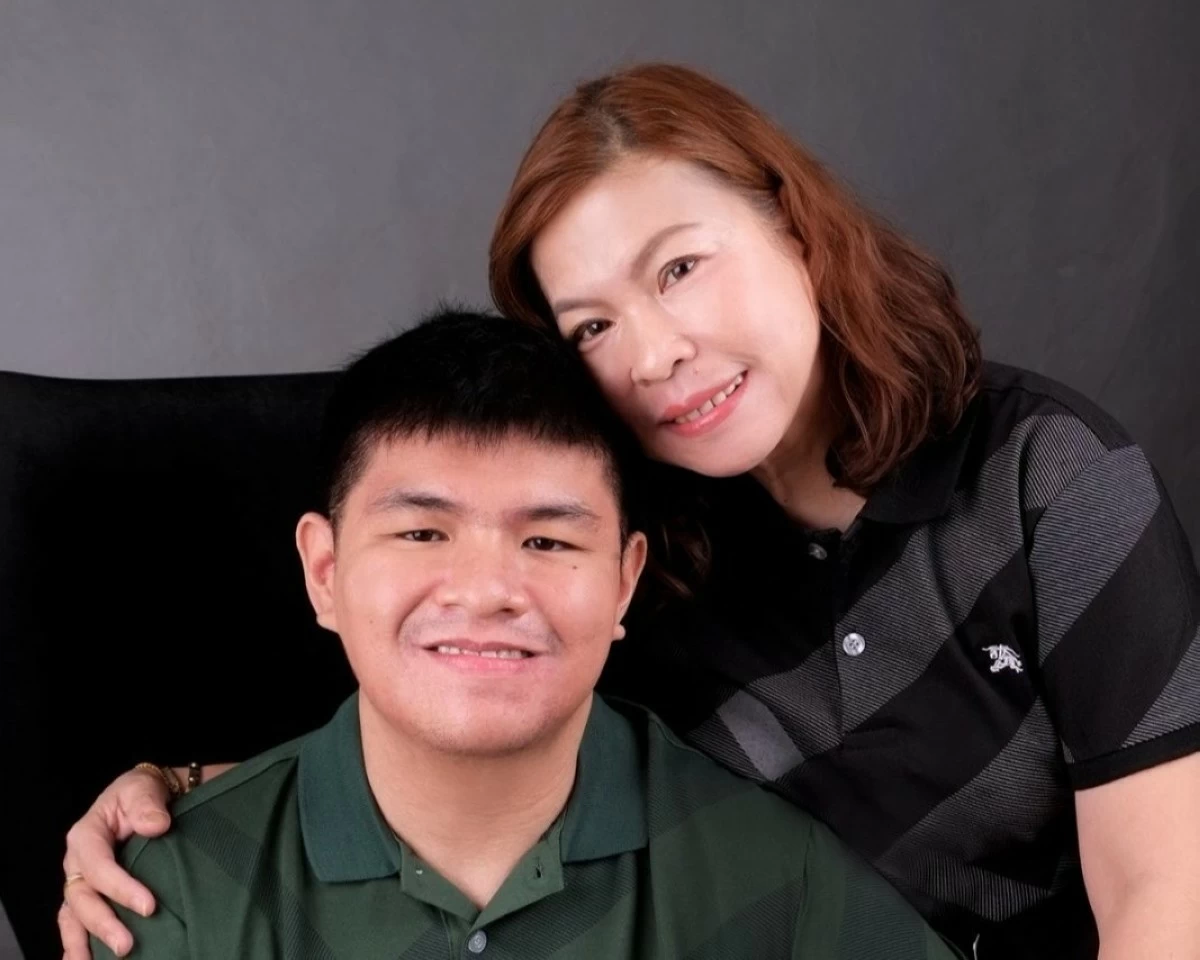
Chrissy Roa and Fedi
Like many young mothers, Christine “Chrissy” Roa relied on regular checkups to guide her in raising her firstborn, Frederic, fondly called Fedi. At 1.2 years old, during a routine visit, their doctor went through a developmental checklist in detail. “At the end of it, hardly any of the boxes were ticked positive,” Chrissy recalls.
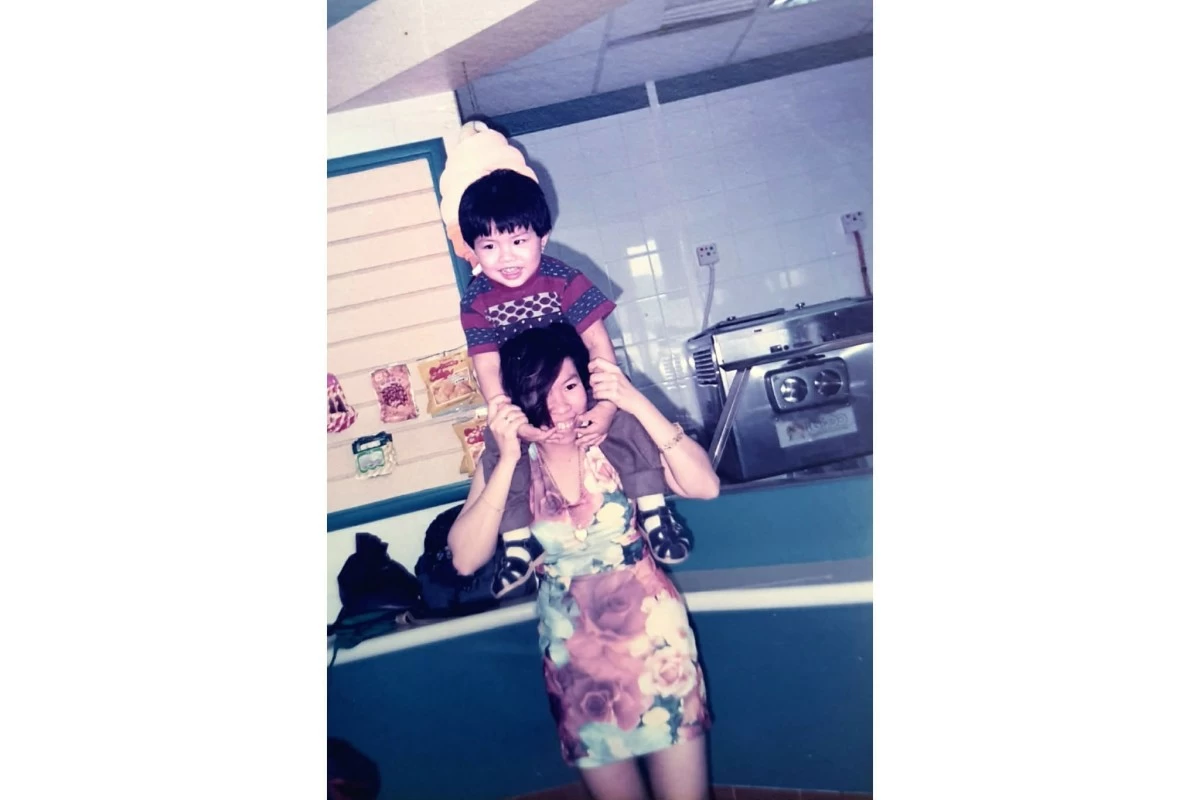
Chrissy and young Fedi
After a series of tests, Fedi was diagnosed with Pervasive Developmental Disorder–Not Otherwise Specified (PDD-NOS). The doctor strongly felt that Fedi had autism, but explained that a definitive diagnosis could only be made from age three onwards. They were advised to enroll Fedi in a play school for socialization and to begin a home-based Applied Behavior Analysis (ABA) program with a dedicated team of therapists, led by a U.S.-based head case manager who conducted consultations long-distance.
“Although Fedi made much progress and was finally able to speak at three and a half years old, the diagnosis was ultimately confirmed—autism spectrum disorder,” she tells Manila Bulletin Lifestyle. “The developmental pediatrician’s words resounded loudly: ‘Your son is autistic, and he will never be normal.’ All my dreams and ambitions for my precious child went down the drain.”
Chrissy admitted she cried and went into depression. “But I soon realize that if I were helpless and hopeless, what state would my son be in?” At one point, she imagined a future where her son would be institutionalized and abandoned. That vision became her turning point. “My son needed a mother who is sane and would support him 101 percent selflessly.”
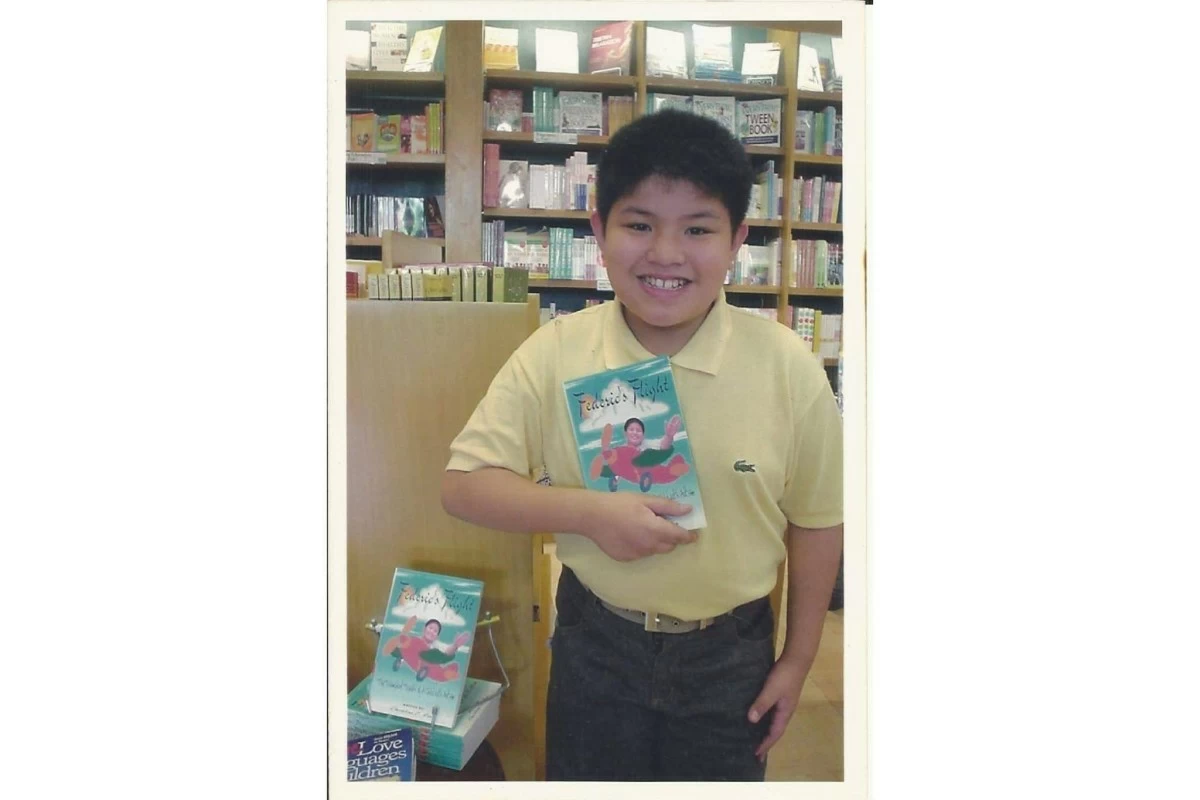
Young Fedi at the launch of 'Federic's Flight' book
All about recalibration
Chrissy accepted, realizing that autism “isn’t an illness with a cure and neither is it a condition with a one-size-fits-all formula.” They approached raising Fedi through experimentation. Every small gain mattered. When he was finally able to speak at three and a half, it was a milestone worth celebrating.
Searching for answers, she immersed herself in research. “In the early ‘90s, awareness on autism was none to nil. The internet was just emerging. So, I sat on the floor of bookstores and libraries, reading up on whatever literature was available.” With limited local resources, she found a community among co-parents and eventually set up South Kids International School in Parañaque, which offered daycare, preschool, and grade school. “I established it primarily to mainstream Fedi’s education, so he could be around typical children.”
She also documented their journey in “Federic’s Flight: The Triumphant Travels of a Child with Autism,” one of only two local books on autism available at the time. She wanted to show that progress was possible amid many struggles. Manila Bulletin later became one of the platforms that amplified stories like hers. “It provided a platform to tell stories that help people appreciate and understand autism, advocate and support its cause.”
What began as a mother’s search for answers evolved into a broader advocacy. Chrissy later served as vice president of the Autism Society Philippines for two terms, lending her voice and experience to the wider autism community.
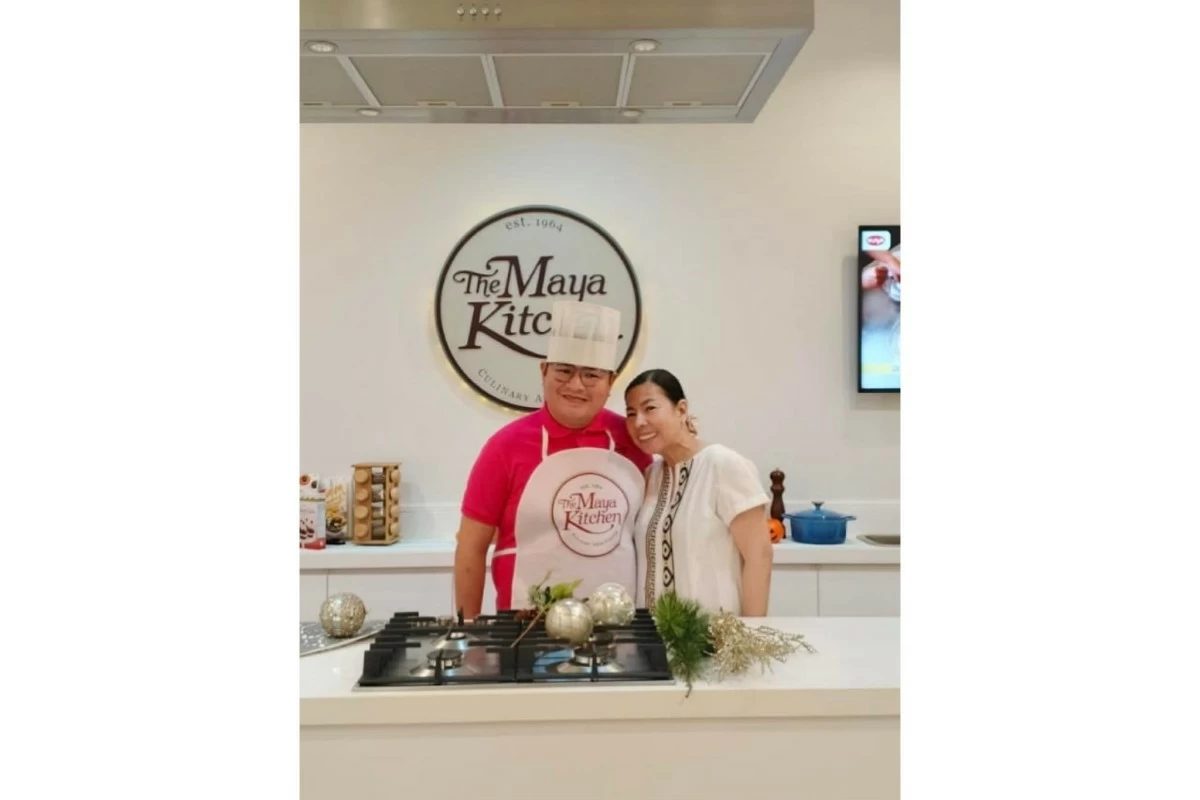
Fedi brushing up on his baking and cooking skills with mom Chrissy
Evolving as a parent
As Fedi grew older, Chrissy knew she had to keep “evolving.” She admitted there were stages—like puberty—where “I wasn’t sufficient as a parent.” She accepted that her husband Rico could better guide Fedi as a male role model and began shifting her focus “from high-level academic competencies to self-help and life skills” to prepare him for independence.
Chrissy stepped away from her corporate career for 13 and a half years to focus on Fedi. When he turned 18, she returned to work, only to face new challenges. “But adolescence in autism is often characterized by the occurrence of seizures, and Fedi wasn’t spared. The seizures were present then, but still manageable even during the pandemic when we were mostly home. It intensified post-pandemic over the last three years,” she shares, noting that the lack of structure at home and the absence of a productivity program worsened his episodes.
She resigned again to refocus on him. “Today, Fedi has never been better. We’ve organized a daily schedule for him with set goals where I am an active participant. Exercising and doing home therapies are major parts of the routine. We also have a lot of kitchen activities—we cook and bake together. Of course, being home and present is really the main difference.”

Fedi with his younger brother Francis, dad Rico, and mom Chrissy
Planning ahead
Those kitchen activities eventually led to Foodie Fedi, their online shop. “We are getting older, and we want to get a head start in making Fedi readily independent when we are gone. We want him to establish something stable that he could own and have for himself.” Now 31, Fedi helps prepare products while Chrissy manages operations and marketing, gradually teaching him the business side.
Acknowledging that autism is lifelong and that Fedi would likely outlive them, she also introduced “co-parenting” to his younger brother. Thankfully, Francis, 24, embraced his role as “kuya,” maturing early and promising to look after him.
Parenting, she realized, is not defined by milestones alone. “As a parent, I used to be ambitious with the ultimate desire of raising highly successful kids—the legacy I wanted to leave behind. Fedi changed that perspective and allowed me to view the world through a different window.”
For Chrissy, success is measured not by titles but by presence, patience, and helping her son step into adulthood with confidence.