







How the pandemic changed a seafarer's career
Published Jan 31, 2026 04:47 pm


It was in the middle of May 2020 when, out of the blue, the ship that was a "home" to a Filipino seafarer became a fearful and uncomfortable ground. A place where a workday passes by shifted to a setting of long nights.
The Covid-19 pandemic was declared, and around the world, countries closed their borders. For seafarers like Joelex Segui, 35, from Camarines Sur, it meant that work stopped. And going home became a series of mandatory quarantine periods before he would be allowed entry into a country, his hometown, and finally, into his own barangay.
Working on a ship made him used to having an ample supply of food and necessities, but when he was under quarantine, food security did not bring him comfort, as the fear of contracting the virus while under isolation would constantly kick in.
What used to be a joyful work became an agonizing wait. The laughter shared with his fellow-crewmen slowly died down, only to be replaced by deafening silence, each locked in troubling worry for loved ones back home.
“Nakakatagot na nakakalungkot. Siyempre dahil malayo kami sa pamilya namin. At tuloy pa rin ang pagtaas ng kaso ng Covid. Gusto namin na kaagad makauwi. Kasi takot kami para sa pamilya namin (It was dull, sad, and frightening. While cases of Covid-19 continued to rise, we were away from our families. We want to get back home immediately because we were worried for our families),” Segui said.
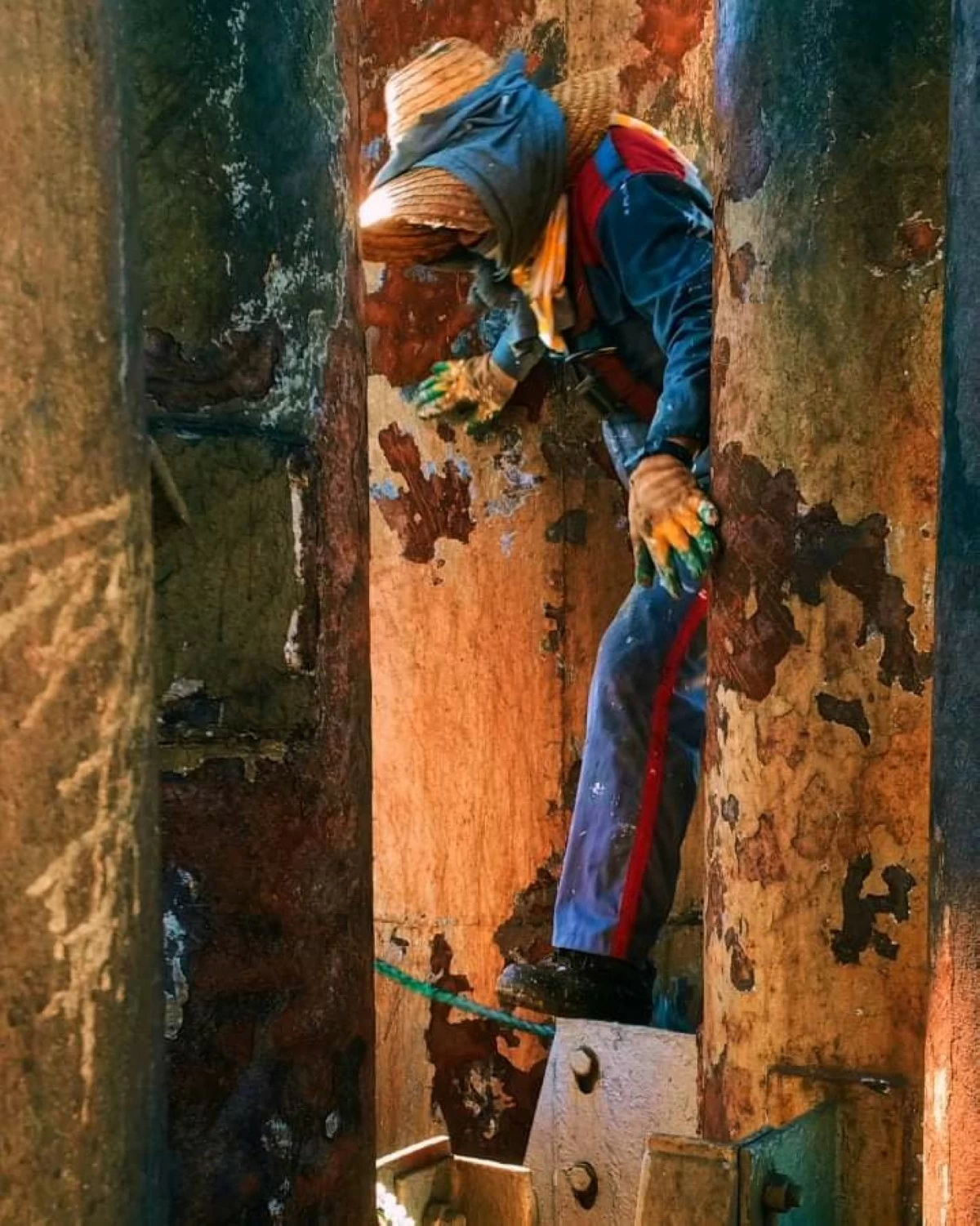
Joelex Segui
After two months of quarantine, and while preparing to disembark in July 2020, he was finally heading home with thoughts of being able to see his then two-year-old daughter.
But his most-awaited reunion with his daughter had to wait for more weeks as he had to undergo multiple quarantines from a hotel, to a barangay facility, to a local government facility after coming home from Malaysia—a lengthy process every overseas Filipino had to go through during those times.
First, he had to stay for eight days in a hotel in Manila for the mandatory quarantine before finally being sent back to his hometown after testing negative for the disease. But the expected merry-making with his family upon arriving home never happened, as he had to stay for yet another quarantine in their barangay facility.
Unending isolation
Unlike in the ship, in hotels in Malaysia and Manila, quarantine in their village was uncomfortable.
He opted to stay alone in a nipa hut near the quarantine buildings in hopes that it would be a little more comfortable. His father had to fix the damaged parts of the nipa hut so that when it rains, it won’t drip inside.
His family made sure to prepare what he needed, handed over his food through the door, and gave him comfort from a distance.
Everything was well until his ninth day in the nipa hut. He was suddenly having a hard time breathing. It was also on that same day that one of his colleagues, with whom he had close contact before leaving Manila, tested positive for the disease.
“Nakakatakot, nakakapraning. Araw-araw ko nakikita ang anak ko. Iniisip ko, malapit na anak. After almost 12 months, mayayakap na kita. Kaya lang paano kung ako rin? Paano kung may virus ako (It was frightening, anxious. I saw my daughter every day. I thought, we’re almost there. I can finally hug you after almost 12 months. But what if I’m also infected)?” Segui said.
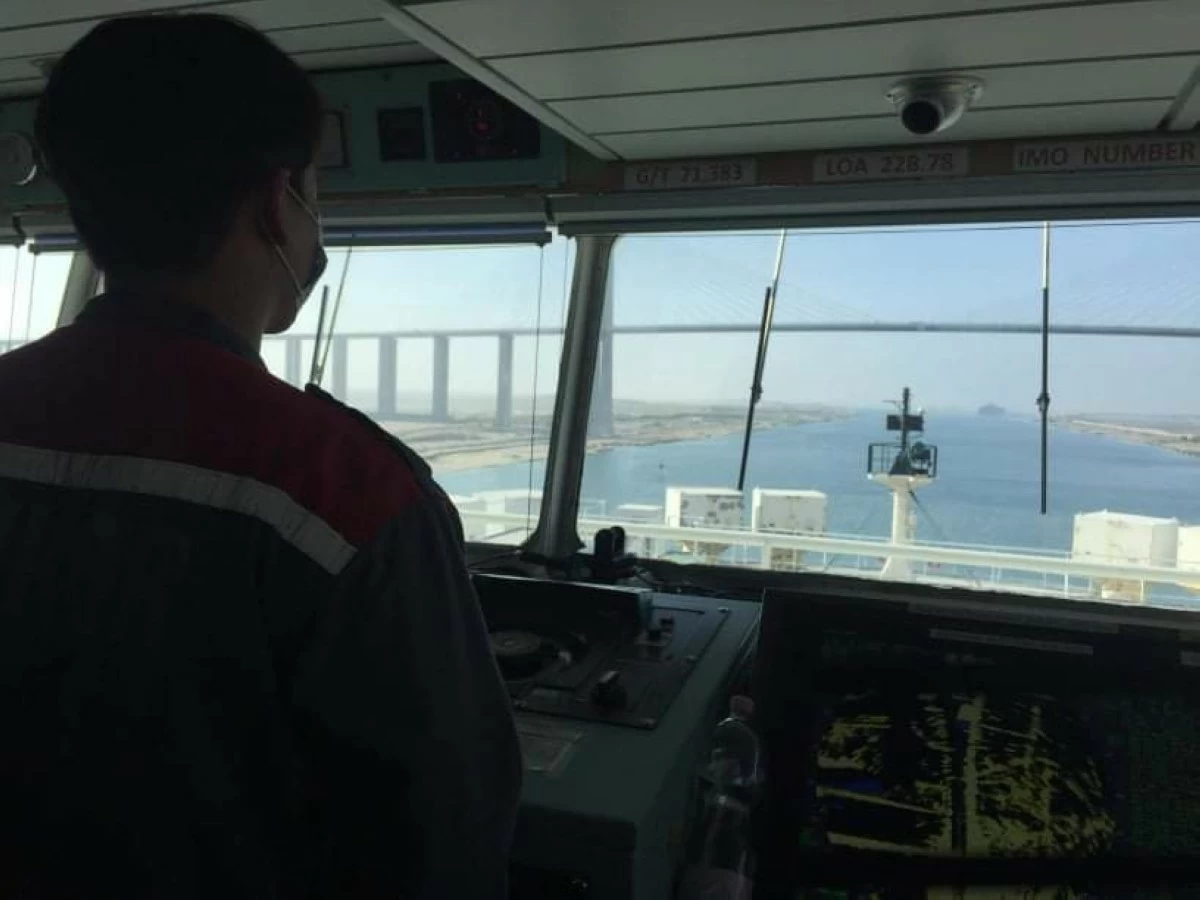
Joelex Segui
On his 10th day of quarantine in the nipa hut, he was transferred to their local government facility located three kilometers away from their home, taking him away from his family once again.
He had to be isolated along with 13 other patients within the site. All have tested positive for the disease.
The waiting time continued. It was only two weeks later that his swab test result came in, and he tested negative for the disease.
Farewell seafaring
Five years later, this memory remains vivid for Segui. He survived quarantine and the dreaded pandemic. After a long journey back home — 90 days of being in quarantine—he reunited with his family, and even the sea when restrictions finally eased.
But his return to seafaring post-pandemic actually became his closure to his years of being a seafarer.
"After pandemic, okay naman, nakasampa pa ako ng isang beses, e. Pero after nun hindi na ako sumampa ulit kasi maraming realizations (After the pandemic, things were okay. I was able to go back on board once. But after that, I didn't go back because I realized many things)," Segui shared.
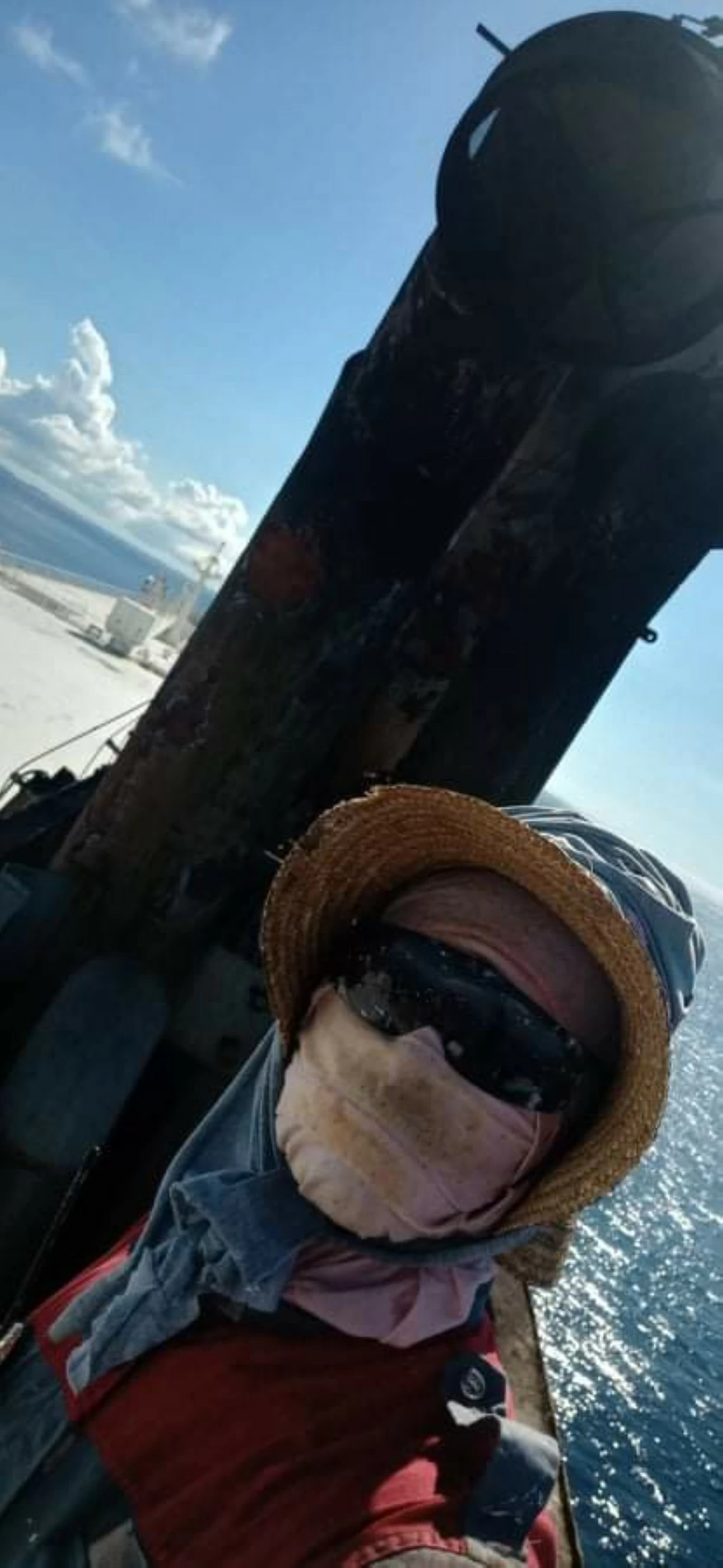
Joelex Segui
The anxiety and fear that took over during the pandemic were pivotal to his decision to end his career.
"Kasi nakakatakot, e, what if mangyari ulit. May mga ganung bagay na. Tapos napagkasunduan namin ng asawa ko na hindi na ako magbarko ulit. Nag-stay na lang ako dito sa Pilipinas, dito na ako naka-base (It was scary, what if it happened again? There were thoughts like that. Then my wife and I agreed that I would no longer work on ships. I just stayed here in the Philippines, and I'm now based here)," Segui revealed.
He is currently working as a virtual assistant (VA). He recognized that after seafaring, it was difficult to shift into another job.
"Yun na yung ginagawa ko ngayon kasi nga kailangan din ng trabaho. Ang pangit lang dito sa atin kasi pag seaman ka ang hirap kumuha ng ibang trabaho. Maliban lang kung ganito may alam sa pag-bi-VA (that’s what I do now because I still need a job. What’s difficult here is that if you’re a seafarer, it’s hard to get another job—unless you have skills like being a VA or similar)," he said.
'You always have to be ahead'
If there's one thing that the pandemic left him with, it was to be prepared for anything that could happen, stressing the need to have plans so he can be ahead of any eventuality.
He realized that relying on the government to recover from a past setback can be difficult.

Joelex Segui
"Lesson? Siguro dapat may insurance ka. Iyon siguro or dapat ready ka sa lahat ng pwedeng mangyari. Dapat ahead ka lagi (Lesson? Maybe you should have insurance. Or you should be ready for anything that could happen. You always need to be ahead)," Segui said.
"Dapat may plans ka kasi ang hirap, kung aasa ka sa gobyerno para makabawi ka doon sa pagkakabagsak mo dati. Dapat meron ka ring sariling plano talaga (You have to have plans, because it’s hard if you rely on the government to help you recover from a past setback)," he stressed.