






Manila Bulletin
 Philippines
National
Dreams do come true for Gilbert Opeña: From the confines of a battered 'owner' jeep to becoming a successful accountant in the United States
Philippines
National
Dreams do come true for Gilbert Opeña: From the confines of a battered 'owner' jeep to becoming a successful accountant in the United States
Philippines
National
Dreams do come true for Gilbert Opeña: From the confines of a battered 'owner' jeep to becoming a successful accountant in the United States
Dreams do come true for Gilbert Opeña: From the confines of a battered 'owner' jeep to becoming a successful accountant in the United States
Published Jan 31, 2026 04:26 pm


Some success stories announce themselves loudly, with trophies, titles, and carefully curated milestones.
Gilbert Opeña’s did not.
It began quietly, inside a battered Willys-type jeep, or simply called locally as “owner”, parked where it was never meant to become a home, but was shared by a boy and the grandfather who refused to let him face life alone.
Long before the professional licenses, foreign assignments, and stamps on his passport, there was simply endurance—days survived, nights endured, and a future imagined in whispers.
This is not a story of sudden ascent, but of patience, gratitude, and a promise kept across decades.
Where everything began
When Gilbert, now 30, thinks of his childhood, the image that comes back first is not a house, or even a room, but a borrowed space inside a neighbor’s old “owner” in Barrio Obrero, Tondo.
“Simpleng araw kasama si Lolo sa lumang owner na pagmamay-ari ng kapitbahay namin (A simple day with Lolo inside our neighbor’s old owner),” he recalls.
“Doon kami kumakain. Natutulog. Nangangarap nang gising (That is where we used to eat, sleep, and dream).”
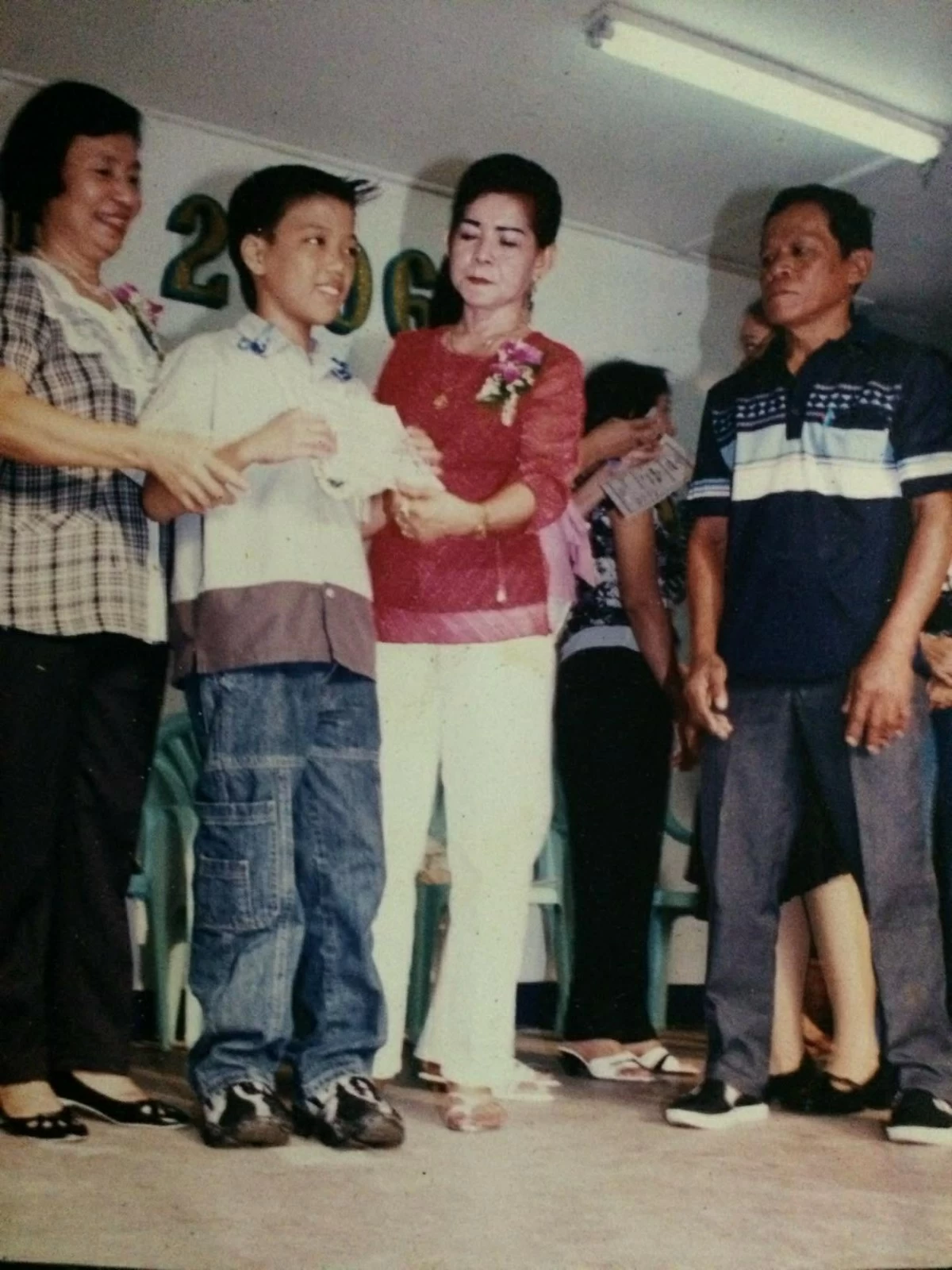
Photo from Gilbert Opeña
From the outside, he admits, their situation looked pitiful—two people living inside a rundown jeep, exposed to heat, rain, and uncertainty.
“Looking at it from the outside, nakakaawa kaming tingnan,” he says.
But as a child, he still did not know what deprivation meant.
“Noon, ang alam ko lang, kasama ko si Lolo. At ‘yun pala ang normal na pamumuhay para sa akin (All I knew was I was with my Lolo—and that was what I considered a normal life),” he says.
“For some reason, mas nangingibabaw sa memorya ko na masaya at puno ng pasasalamat ang puso ko (what I remember most is a heart that was happy and full of gratitude),” he adds.
The man who never left
If Gilbert’s life had a constant, it was his grandfather Gerardo—a carpenter and plumber who became his guardian, provider, and quiet source of strength, since his mother entrusted Gilbert to his Lolo when he was just a baby.
There were no long lectures about sacrifice, no dramatic reminders of how hard life was supposed to be.
What only mattered were work, persistence, and presence.
His grandfather labored well into old age, taking on physically demanding jobs not for comfort, but for continuity—to make sure Gilbert stayed in school, ate when he could, and never felt abandoned.
For Gilbert, that presence mattered more than material security.
“Hindi niya ako tinratong pabigat (He never treated me as a burden),” he says.
“Binigyan niya ako ng dignidad, na kahit mahirap kami, may karapatan akong mabuhay, mangarap, at umasa. Pivotal moment iyon sa buhay ko (He gave me dignity—the belief that even in poverty, I had the right to live, to dream, and to hope. That became a pivotal moment in my life,” he adds.
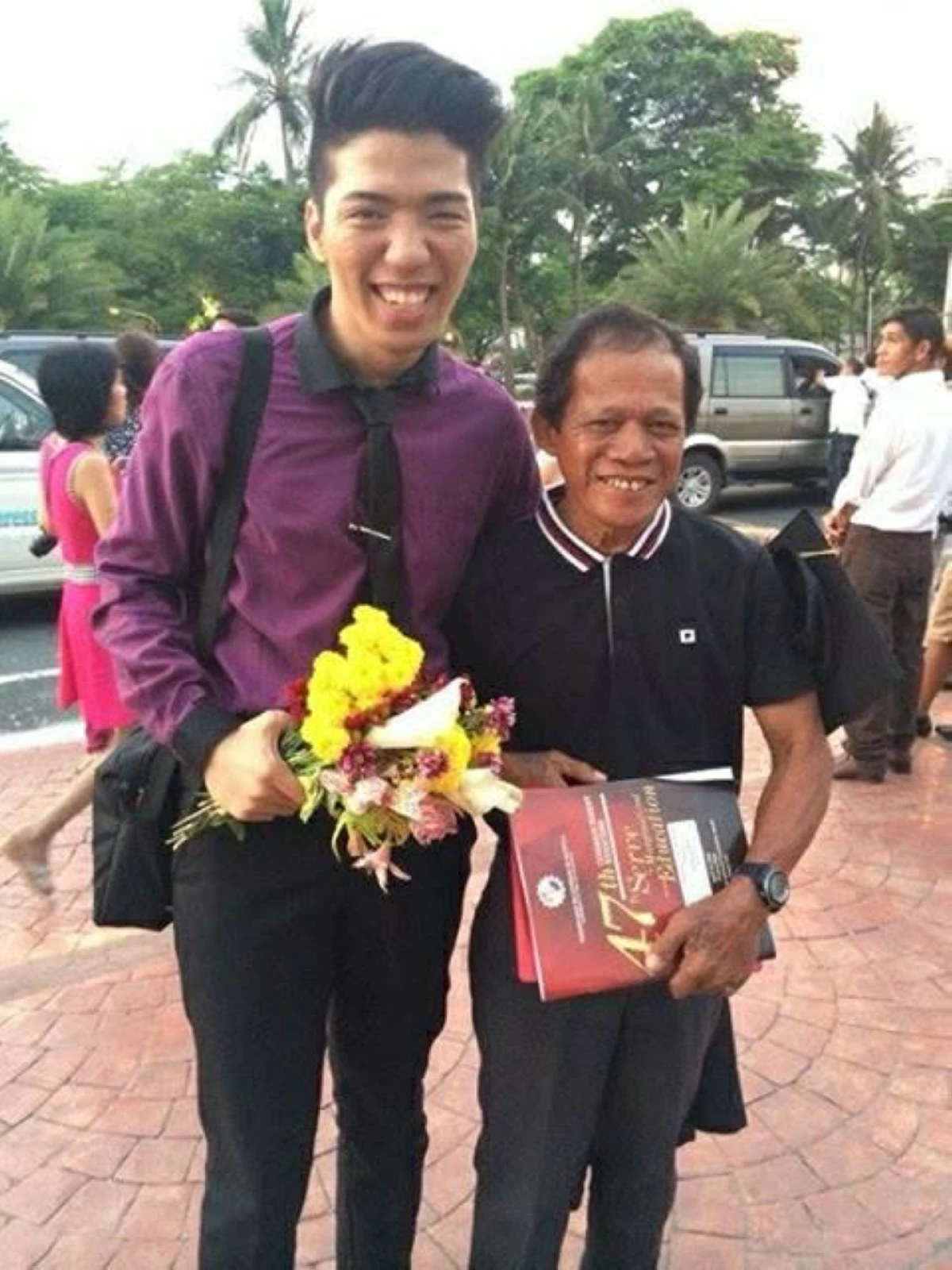
Photo from Gilbert Opeña
Even years later, what motivated him most was not that he wanted to escape poverty, but that there was the certainty that he was never alone because of his grandfather.
That certainty, he says, became the emotional foundation on which everything else in his life was built on.
It was also why, no matter how far his career took him, his grandfather remained the quiet center of his ambition.
“He’s my biggest hero and role model,” Gilbert says.
“Kung meron man akong biggest goal sa buhay na ‘to, hindi yun para maging mayaman o magaling. Kundi ang maging mabuti (If there is one greatest goal I have in this life, it is not to be rich or accomplished, but to be good),” he adds.
Lolo Gerardo passed away during the height of the Covid-19 pandemic on June 20, 2020. He had just turned 67, less than two weeks before his death due to acute decompensated liver cirrhosis.
According to Gilbert, losing his Lolo was the hardest moment of his life.
“I lost the single most important person in my life, my Lolo, na wala ako sa tabi niya (while I was not by his side),” he recalls.
“I carried that with me for years, and it still haunts me until today. Matindi yung guilt and regret ko dahil dun (That is my biggest regret),” he says.
“The very reason kung bakit ako nag-abroad, hindi na-enjoy fully yung fruits of my labor (The very reason why I went abroad wasn’t able to fully enjoy the fruits of my labor).”
Asked what his Lolo would tell him now, Gilbert couldn’t help but be emotional.
“‘Ang galing-galing mo talaga nak! Sabi sa’yo kaya mo eh (You’re really amazing, my child! I told you you could do it)!’” Gilbert imagines his Lolo telling him.
“I know he’s smiling from above. Pinagmamalaki ang apo nya doon (He’s proud of the grandson he raised),” he says.
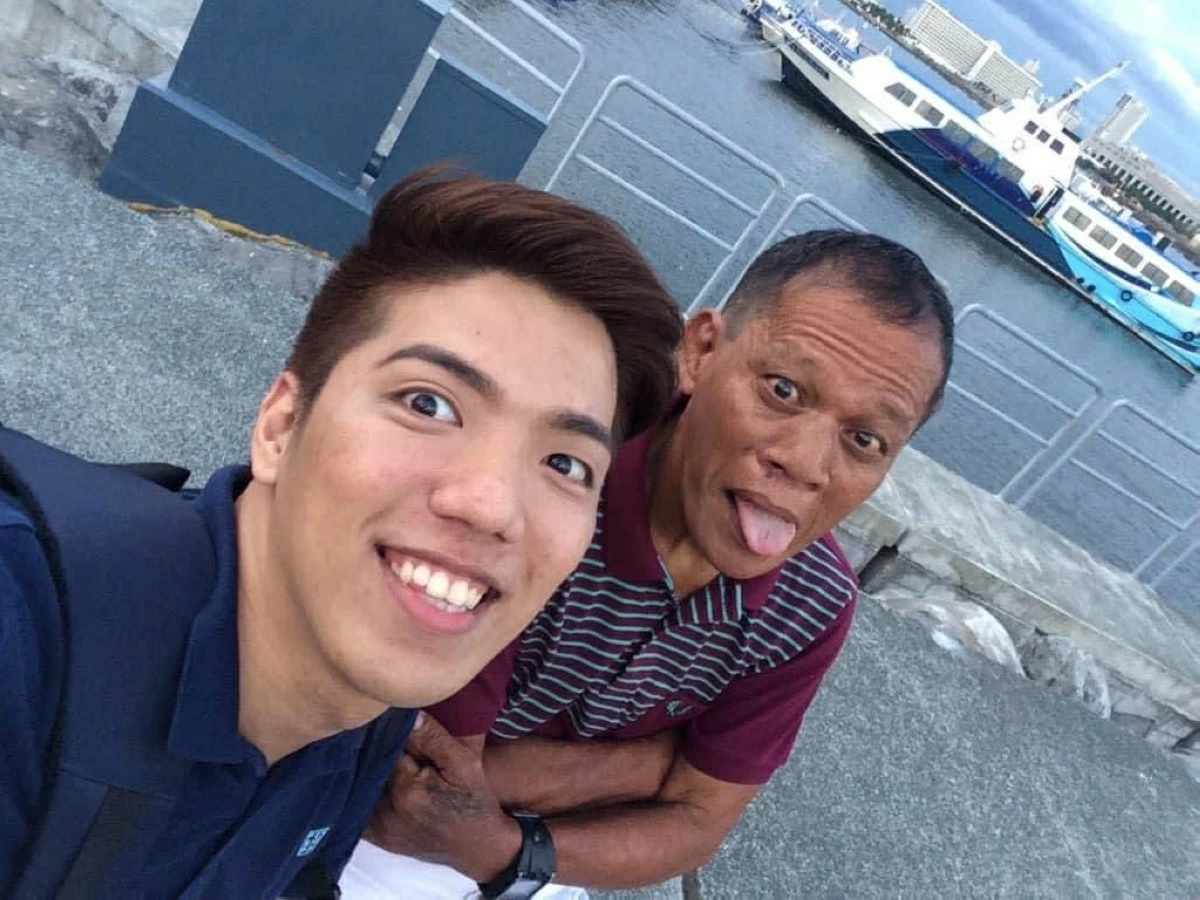
Photo from Gilbert Opeña
Public school and survival mode
School life was a balancing act between learning and surviving.
There were days when hunger, fare money, and borrowed coins mattered more urgently than quizzes or projects.
But Gilbert never let it show.
According to one of his classmates, throughout the four years of high school at Cayetano Arellano High School in Sta. Cruz, Manila, Gilbert was smart, jolly, and friendly. “Many of us would play Monopoly or Word Factory during breaks. He was the one who laughed easily and blended in,” he added.
Looking back, Gilbert said public school was what truly reflected the image of the ordinary Filipino.
“Araw-araw akong napapalibutan ng mga taong nagpupursige hindi para sa pansariling luho o bagong gadget. Kundi para makatapos (Every day, I was surrounded by people striving not for personal luxuries or new gadgets, but simply to finish),” he says.
Years later, he would realize how formative those years were—not despite hardship, but because of it.
“That environment grounded me. It taught me empathy, grit, and purpose.”
Learning resilience the hard way
Working abroad would sharpen that resilience even further.
“Hindi na ako mabilis malungkot (I don’t easily get sad) over rejections or loss because I’ve experienced the worst imaginable,” Gilbert says.
Years overseas forced him to interact constantly with strangers, to rebuild himself in unfamiliar places, and to accept rejection without letting it define him.
“Isa ‘yan sa pinaka-natutuhan ko (That is one of the lessons I learned) working abroad for years.”
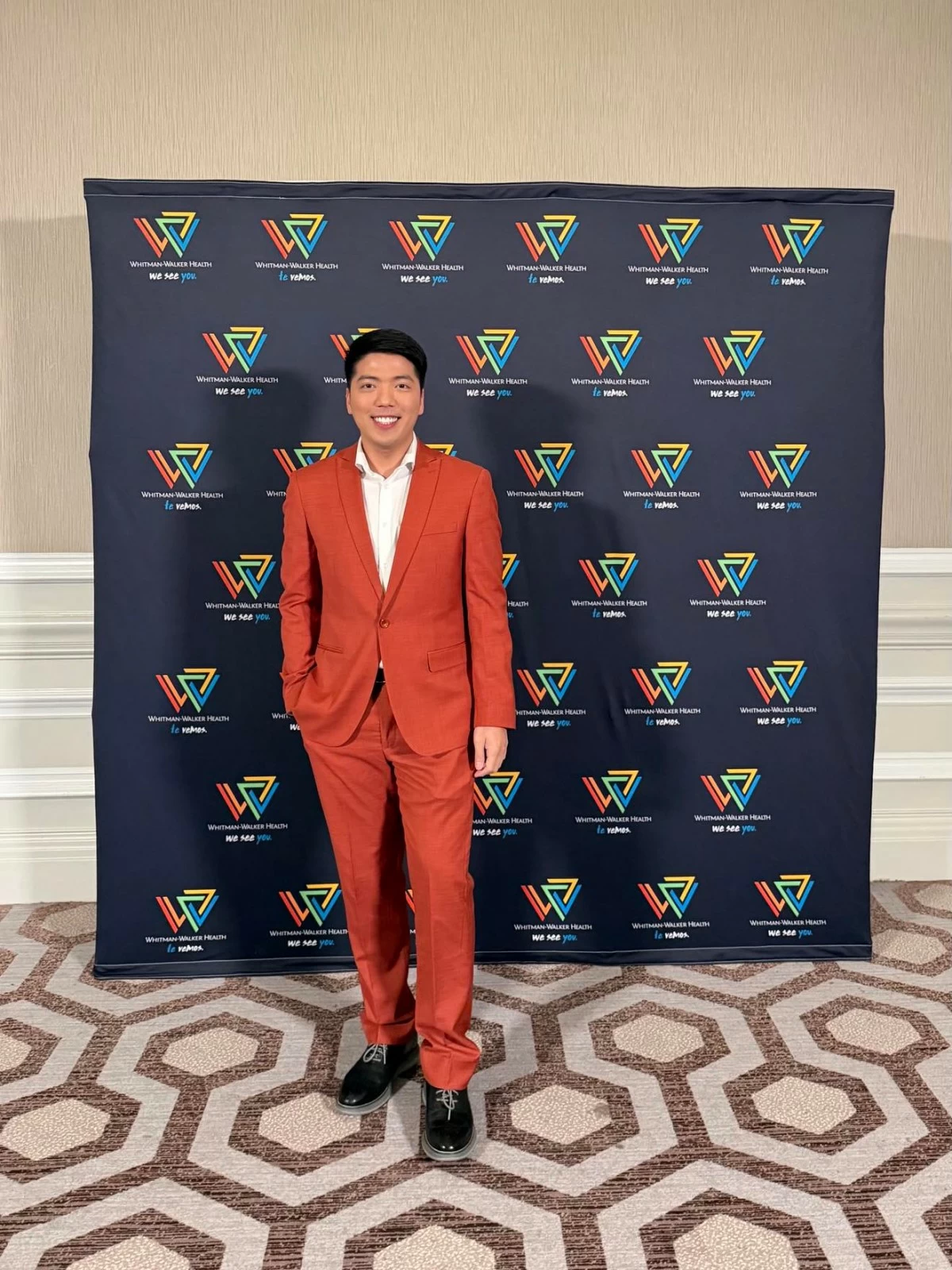
Gilbert Opeña
A decade across borders
After passing the Philippine CPA exam in October 2015, Gilbert entered the audit profession as an audit associate at Navarro Amper and Co, a decision that would carry him beyond the life he once imagined.
His work eventually brought him to five countries—the Philippines, Singapore, Dubai, the United Kingdom, and the United States—over more than a decade. He now works for BDO USA, one of the top global audit firms.
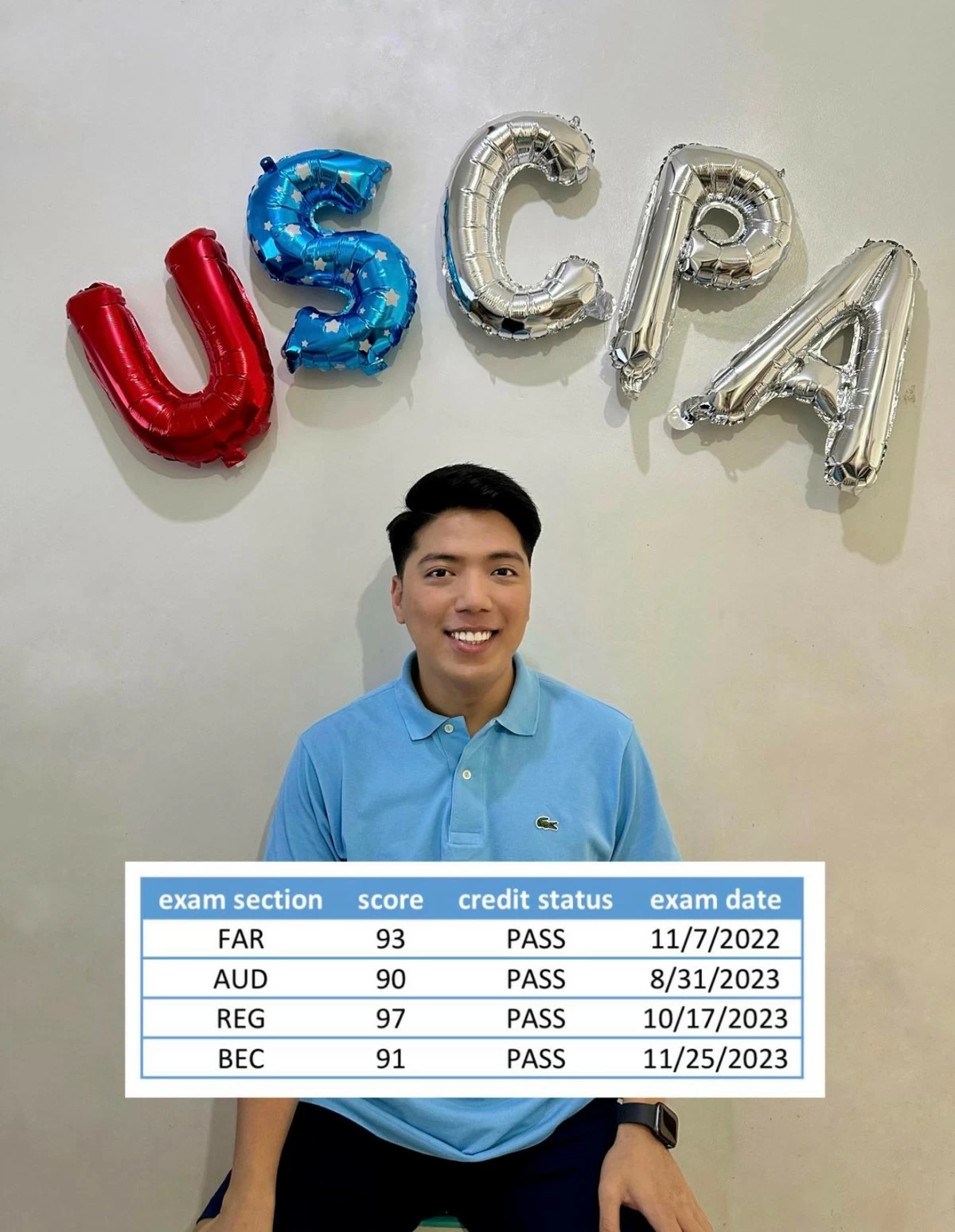
Photo from Gilbert Opeña
From the outside, the journey looked impressive. Inside, it came with loneliness, constant adjustment, and the pain of losing his grandfather while he was far from home.
“Sacrifices had to be made,” Gilbert says.
“Akala ng mga tao (People think) it’s always glamorous just because I’m living and working abroad,” he adds.
Social media, he admits, showed only fragments of the truth.
“Mahilig ako kumuha ng litrato sa lahat ng lugar na napupuntahan ko. At ang nakikita lang sa social media ay yung ngiti sa selfies at jump shots ko (I like taking pictures in places I’ve been. But what people only see on social media is my smile in my selfies and jumpshots),” Gilbert says.
“Pero sa totoo lang, palaging mayroong panghihinayang (But, in reality, I have regrets),” he adds, referring to how he wished his Lolo were enjoying the scenery and the food with him.
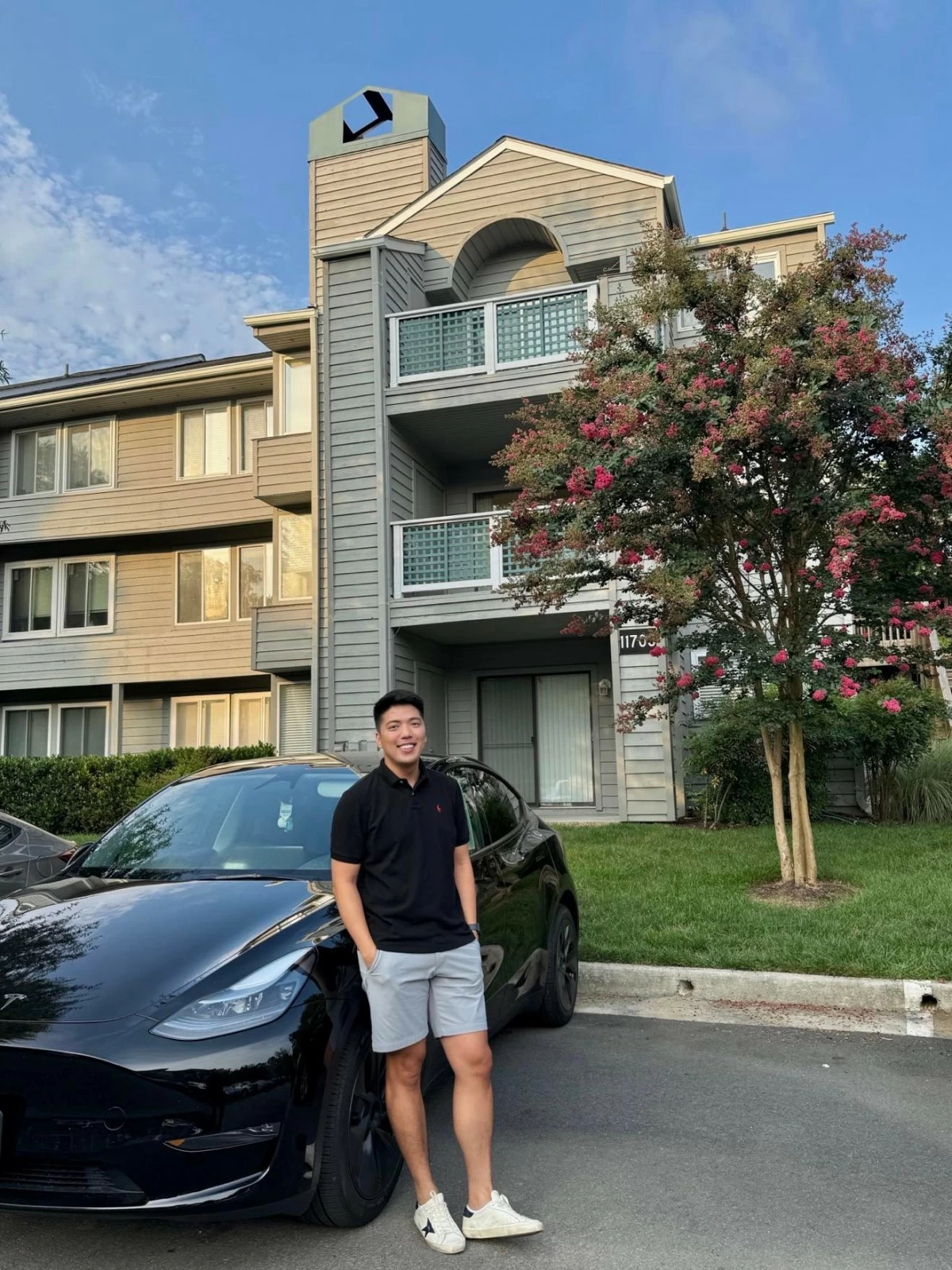
Photo from Gilbert Opeña
Redefining success
Time and distance have reshaped how Gilbert defined success.
“Naging mas grateful din ako even sa smallest of things, dahil alam ko yung pakiramdam na walang-wala sa life (I learned to be grateful even for the smallest things, because I know what it feels like to have nothing at all),” he says.
What once meant survival slowly became something deeper—stability, dignity, and the ability to give back.
“Noon, ang ‘one day’ ko lang ay makakain nang maayos. Makapasok sa school. At maibigay kay Lolo ang konting ginhawang hindi niya naranasan (Back then, my only ‘one day’ was to eat properly, to stay in school, and to give my grandfather a small measure of the comfort he never had),” he says.
“Ngayon, may sarili na akong bahay. May sasakyan. May propesyon na nagbigay sakin hindi lang ng kabuhayan kundi ng dignidad (Now, I have my own home. I have a car. I have a profession that gave me not just a livelihood, but dignity),” he adds.
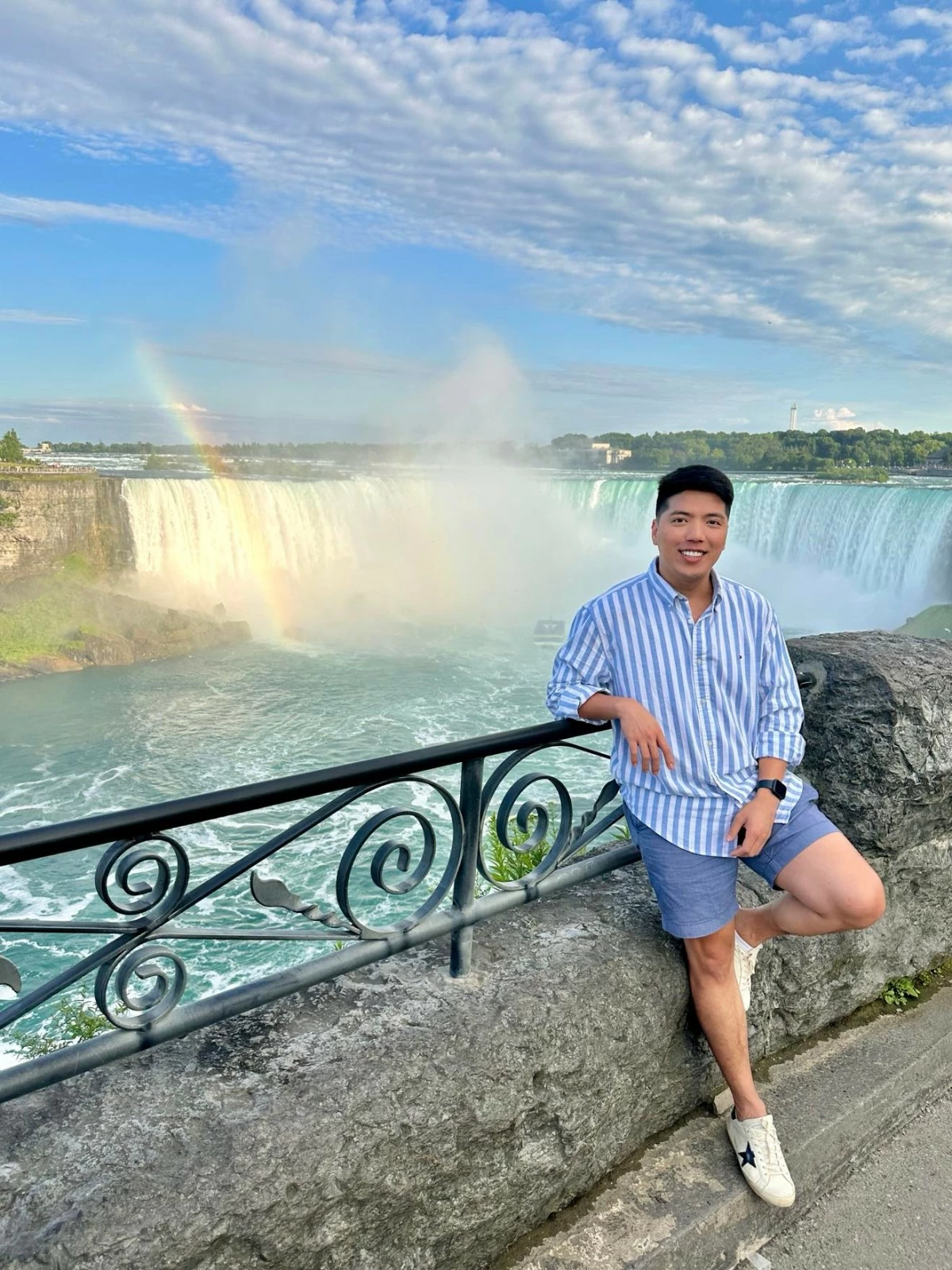
Photo from Gilbert Opeña
But Gilbert is careful not to frame his story as extraordinary. For him, everything traces back to a purpose larger than himself. That purpose sustained him through rejection, distance, and loss—turning a long-held “one day” into a quiet, deeply personal “finally.”
“Maraming (There are) moments where I just pause and think about how far I’ve come; how I’m already enjoying the things I prayed and worked hard for before,” he says.
“Maraming tulala moments. Hindi pa rin ako makapaniwala. Yung mga ‘one day’ ay ‘finally’ na (There are moments when I simply stare into space, still unable to believe it. The ‘one day’ dreams have finally become ‘finally’),” he adds.
A message he hopes others hear
Gilbert offers no shortcuts nor guarantees—only perspective.
“Para sa akin, walang imposible (nothing is impossible),” he says when asked what lesson he would like the younger generation to learn from his story.
“Paalala siya na kahit gaano kaliit ang pinanggalingan mo, may kakayahan kang bumuo ng mas malaking buhay. Basta hindi mo bibitawan ang pangarap mo (It’s a reminder that no matter how small your beginnings, you can build a bigger life—so long as you hold on to your dream).”
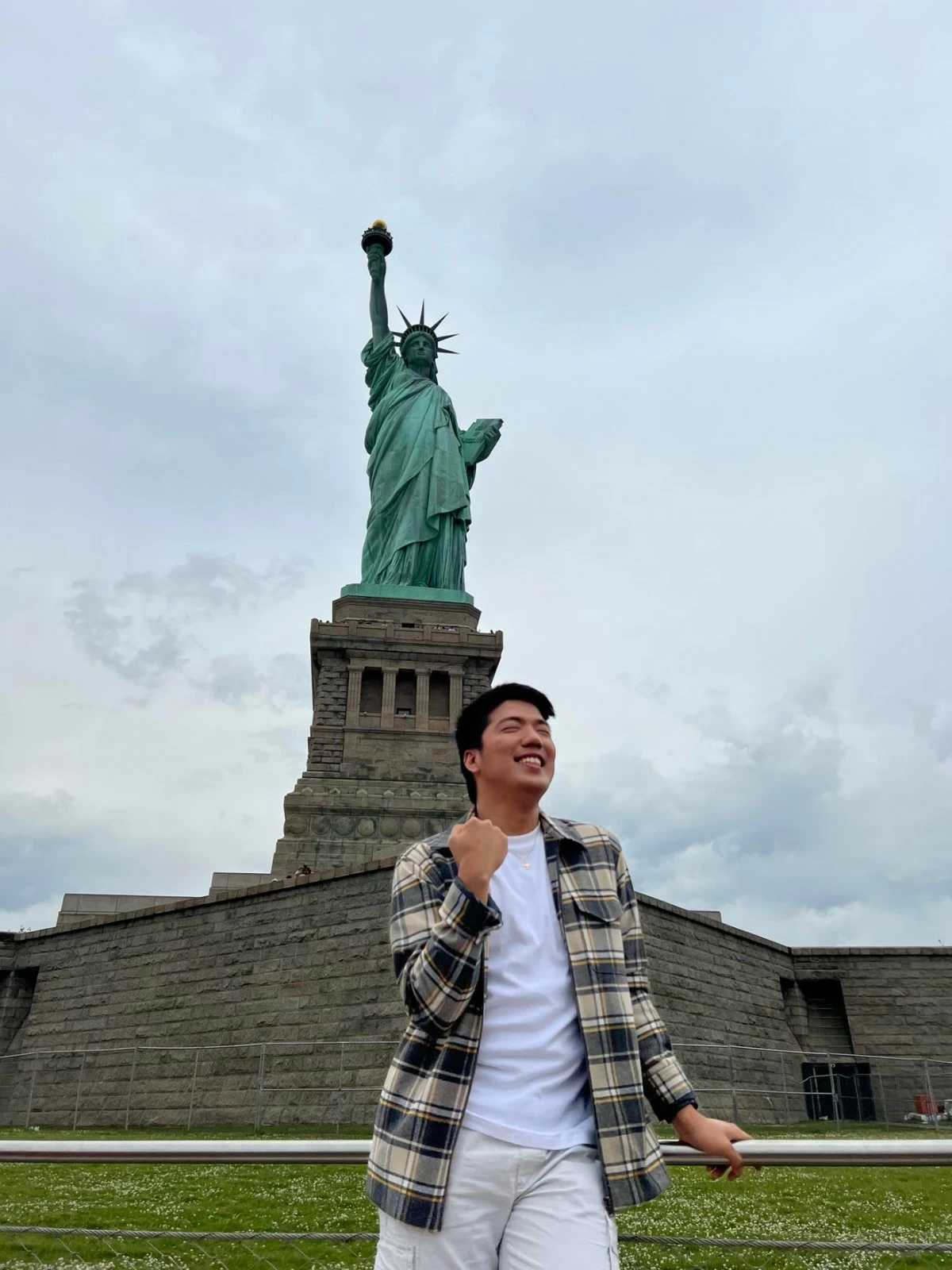
Photo from Gilbert Opeña
Gilbert likewise advised young Filipinos to refrain from comparing themselves with others.
“Tumutok tayo sa sariling laban. Never tayong magiging pinakamahusay, pinaka-successful o pinakamayaman sa lahat. Pero lagi tayong may kakayahang maging better compared to our previous versions (Let’s focus on our own journey. We may never be the best, the most successful, or the richest—but we always have the ability to be better than our previous selves),” he says.
“Mas buo. Mas kontento. Mas mapagpasalamat (More whole, more content, more grateful).”
From a borrowed space inside a battered owner to a life built across continents, Gilbert’s story is less about arrival than it is about loyalty—to dreams, to purpose, and to the grandfather who never gave up.