







Default lifeline for downtrodden animals
Published Jan 31, 2026 01:52 pm
|
Updated Feb 3, 2026 02:28 pm



By Ian Ureta
Scroll through your Facebook or TikTok feed these days, and you’ll notice something tragic and adorable in roughly equal measure: another desperate plea to help a rescued animal. It’s so common that it almost blends into the background—another late-night video of a skinny cat in a cardboard box or a short reel of a dog limping toward hope. And even if your thumb scrolls past them in succession, the volume of these posts tells a story of its own: social media has become the default lifeline for downtrodden animal rescue efforts, especially here in Manila.
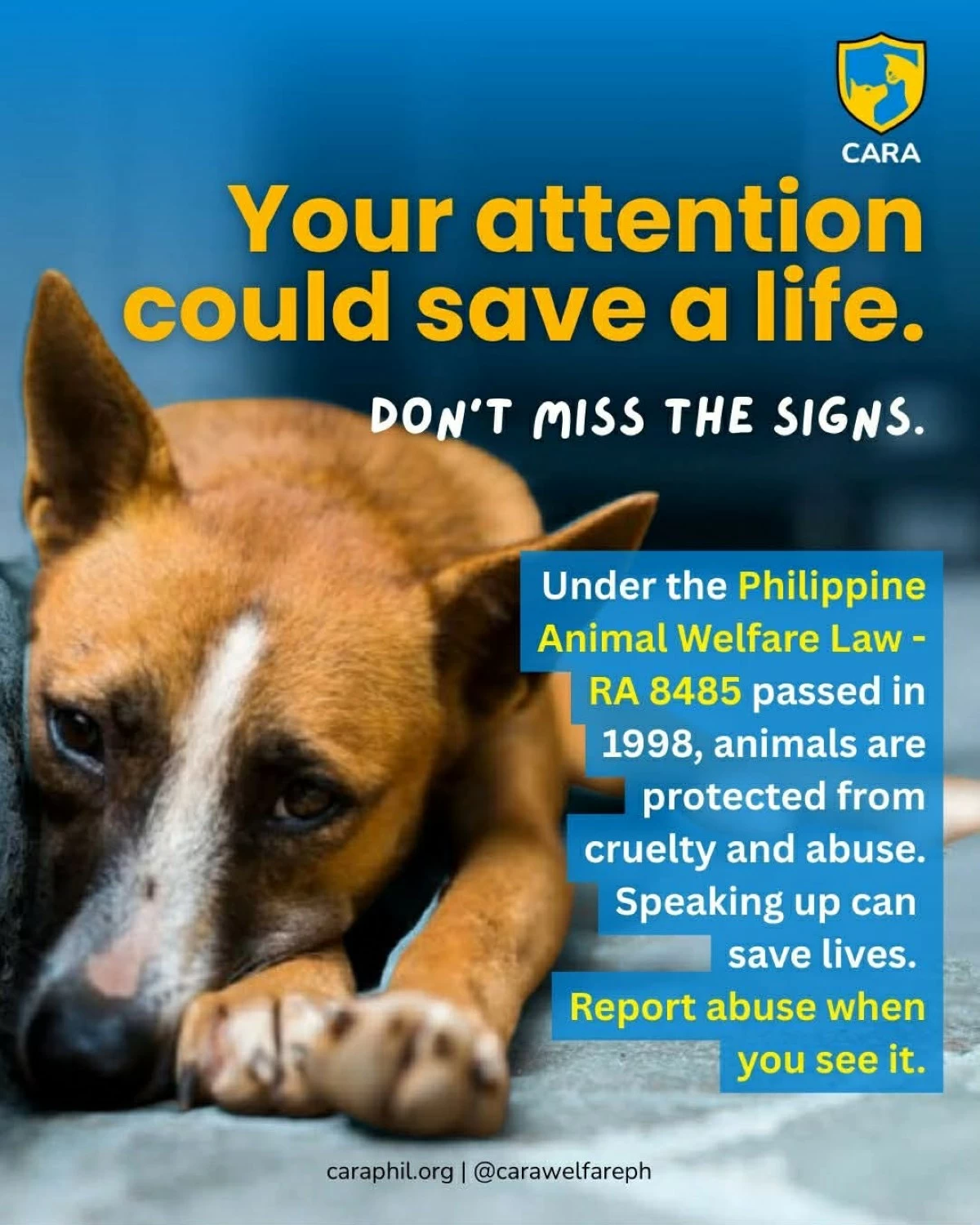
I did a semi-unscientific scroll/search across a few non-profit animal rescue organizations in Metro Manila—groups like CARA Welfare Philippines, PAWS, Animal Kingdom Foundation, Pawssion Project, and a handful more—not to mention a few colleagues who have taken in cats they found on the streets. It’s a near-constant, heart-wrenching cycle of urgent pleas. Sometimes they’re accompanied by a lengthy caption detailing a medical condition and lack of guardianship. Sometimes there’s a shaky video of the animals in their current state; other times, it’s just a still photo and a GCash QR code in the hope that someone will donate.
There’s something almost overwhelming about the ubiquity of these posts. It’s like watching the same story replayed in ten different corners of your feed, and every one of them is scrappy, grassroots, and pretty much begging for attention.
The weirdest thing is how normalized it all feels. On the one hand, it’s heartwarming that people are so willing to stop their scroll and donate ₱50 here, ₱200 there. On the other hand, it feels like watching tiny boats keep bailing out water while the ocean keeps rising. Social media gives these rescues visibility—undoubtedly a lifeline—but it also subjects them to the brutal economics of virality. You need engagement. You need shares. You need emotional hooks. Otherwise, it’s just another plea lost under branded content, memes, and reels of viral dances.
And yes, if a post goes viral, the rescue might get enough money to pay for weeks of medical bills. But that’s the exception rather than the rule.
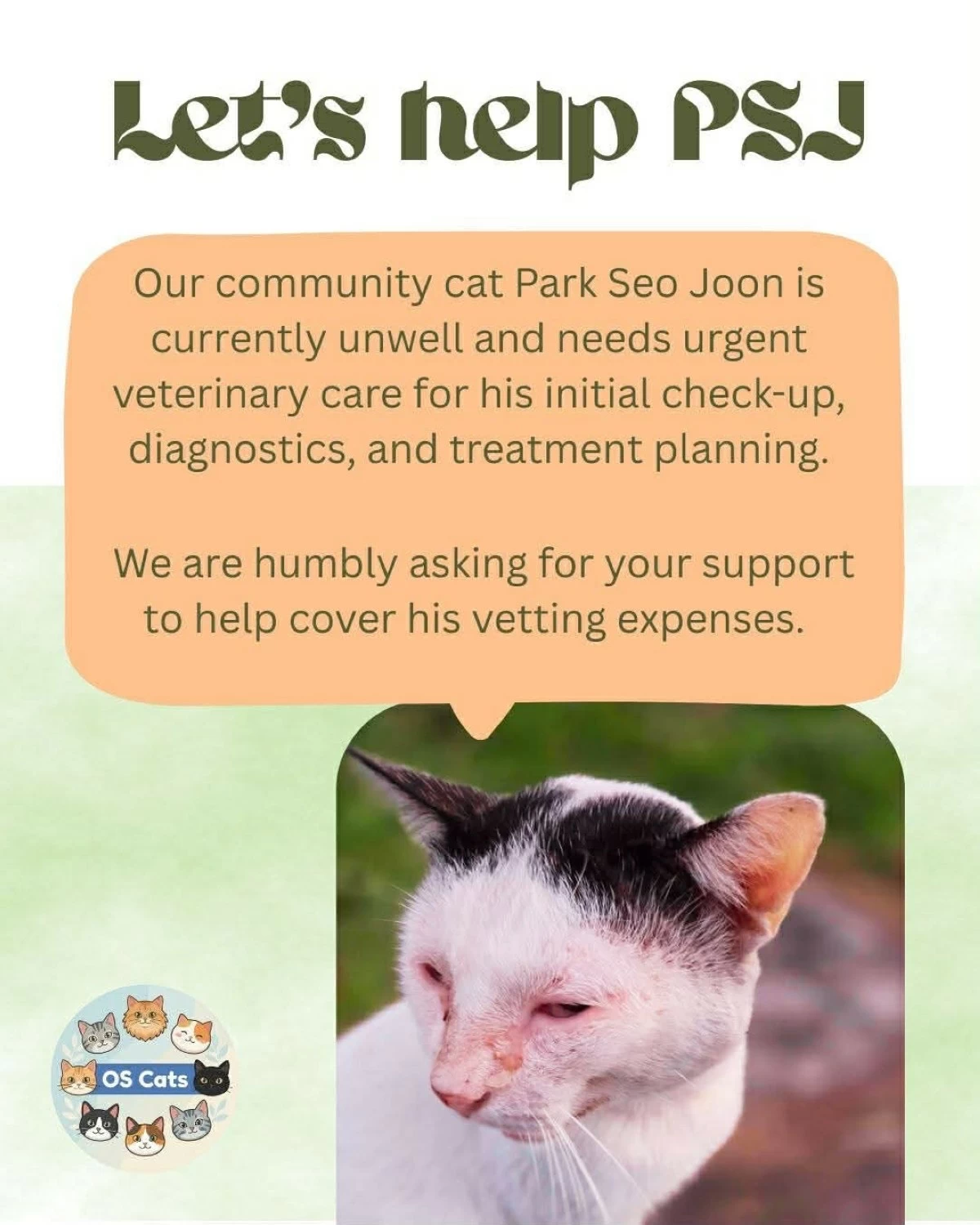
Most posts don’t go viral. Most don’t get enough traction. They fade, and then new ones ping into the ether. It creates this bizarre ecosystem where animal rescue work is constantly in “urgent” mode, because if you don’t broadcast your urgency daily, you risk fading out of the feed—along with your fundraising.
The sheer volume can also bring about a psychological effect: compassion fatigue. When you see ten urgent rescue posts every time you open your phone, it starts to feel like a background hum of misery. Instead of prompting action, it sometimes prompts numbness. And that’s the cruel irony: the platforms that give these causes visibility can also make them part of the wallpaper.
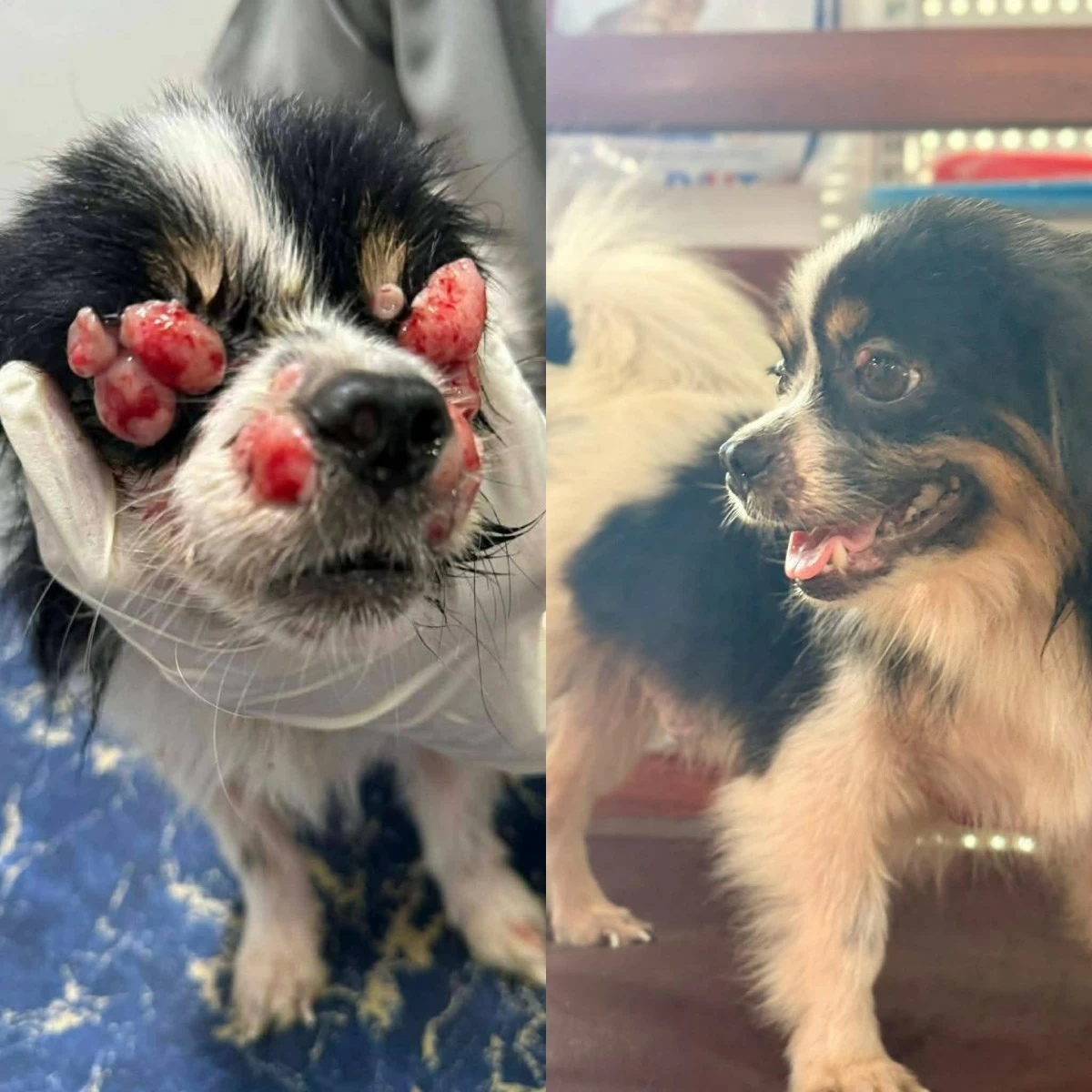
But here’s the thing social media glosses over—these groups aren’t digital avatars begging for pocket change. They’re people on the ground in Manila navigating traffic, vet appointments, fundraising logistics, and emotional burnout. They’re neighbors rescuing neighbors’ cats.
They’re unpaid volunteers buying food and meds with their own money. Social media didn’t create the problem of stray animals; it just became the way the problem got told. In the end, social media isn’t inherently good or bad for animal rescue. It’s a tool—a very messy, algorithm-driven tool that rewards the dramatic and the shareable. But for now, it’s also the platform that keeps a lot of stray cats fed, vaccinated, and alive. And if the alternative is silence, well then give me a thousand tiny posts about scared kittens over no signal at all—especially if it means someone, somewhere, is still trying to help.