






Manila Bulletin
 Philippines
Mindanao
Conserve the PH Eagle: Integrating conservation lessons in schools
Philippines
Mindanao
Conserve the PH Eagle: Integrating conservation lessons in schools
Philippines
Mindanao
Conserve the PH Eagle: Integrating conservation lessons in schools
Conserve the PH Eagle: Integrating conservation lessons in schools
Published Jan 31, 2026 05:10 pm


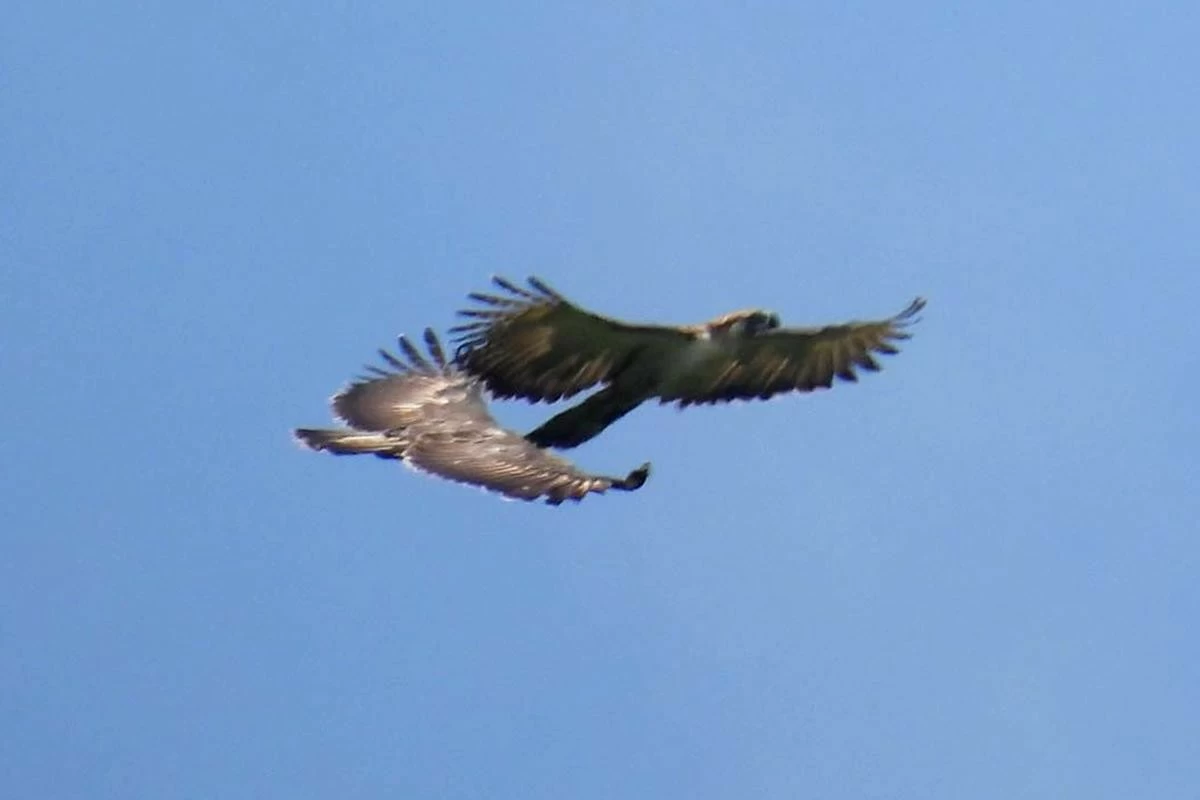
PHILIPPINE Eagle
DAVAO CITY – The Philippine Eagle is among the endangered species in the country.
Efforts are being made to conserve the national bird and the Philippine Eagle Foundation (PEF) believes that the youth could help in the effort to save it.
The PEF said the Sarangani Schools Division of the Department of Education is pilot testing the integration of the Philippine Eagle conservation lessons in select schools in the province.
Dr. Jayson Ibañez, director of operations of the Philippine Eagle Foundation, said the Eskwelahan para sa Kinaiyahan (EPK) program, aims to teach students about caring for nature by adding Philippine Eagle conservation lessons into regular school subjects under the Matatag curriculum.
The program is now in its second phase and it is being pilot tested in upland elementary schools in the town of Alabel.
“The testing involved a few teachers from pilot elementary schools in the uplands of Sarangani using the lesson plans with kids and testing its effectiveness,” Ibañez said.
Ibañez said the EPK is integrated in the lesson plans of Grades 1, 4 and 7 in Araling Panlipunan, Good Manners and Right Conduct (GMRC), Makabansa, Music Arts Physical Education and Health (MAPEH), and Science.
To further improve its implementation, Ibañez said at least 32 teachers from Sarangani gathered last Dec. 1 to 3 at the Philippine Eagle Center in Barangay Malagos here to look into the results of the testing and revise or improve the lesson plans if needed.
The gathering, he added, is under the Phase 2 of the EPK program, which focuses on refining the lessons as well as in preparing them for expansion to other schools in Sarangani province.
Dr. Letecia Afuang, lead facilitator and resource person of the workshop, underscored the value of instilling conservation values among the young generation.
Afuang, a seasoned wildlife conservationist, said that she is also sharing some of their experiences in integrating the Tamaraw conservation program in the lessons in Mindoro. She said that she is helping teachers finalize the lesson content as well as improve teaching materials.
Ibañez emphasized that the second phase of the program will also strengthen the teachers’ capacity and ensure that conservation education, especially the protection of the Philippine Eagle, is clearly and effectively taught to young learners.
“The EPK Program represents the Foundation’s developing strategy to influence mindsets and foster lifestyles that are more respectful of nature and supportive of Philippine Eagle conservation,” he said.
Should the EPK be successful in Sarangani, the PEF is looking to expand the EPK in different regions where the eagles are found.
The PEF, he added, is hoping to roll out the program across the country where eagles are found, and build a network of young citizens who value the eagle as a fellow Filipino who deserves to live decently and safe from harm.
However, Ibanez admitted that this program requires a lot of resources, especially in gathering the teachers and producing the learning materials.
Ibañez is appealing for support from the private sector to help integrate Philippine eagle and biodiversity conservation lessons into the regular Matatag curriculum.
Through the integration, it could help empower students to understand and protect the natural heritage that sustains their communities.
“Your support strengthens local pride, builds science-based environmental values, and nurtures a generation capable of safeguarding our forests and wildlife. By investing in conservation education today, you help secure a healthier, more resilient future for both people and the Philippine Eagle,” Ibañez emphasized.
The integration of Philippine Eagle lessons could help students learn more about the national bird.
Last year, a wild and untagged pair of Philippine Eagles was spotted somewhere in the hinterlands of Bukidnon province. The PEF said they were the first confirmed sighting in nearly two decades. For the eagles’ safety, it did not disclose their exact location.
“This remarkable rediscovery happened within the Buhita (Bukidnon Higaonon Tribal Association) ancestral domain,” the PEF said.
The PEF added that they were soaring mutually, which is an indication of a graceful courtship ritual where two lifelong partners glide side by side. “Together, they mark their territory while reaffirming their bond. It’s a beautiful and powerful dance in the sky, signaling that a new nesting season may be on the horizon.”
Ibañez said that the last time a pair of eagles and their eaglet were validated by PEF and Department of Environment and Natural Resources (DENR) within the Buhita ancestral domain was in 1996.
“And succeeding annual checks detected only single birds, until monitoring efforts stopped because of security and personnel safety issues,” Ibañez said.
He said that the sighting was due to the expedition of a composite team of PEF, DENR, and local volunteers. The seasoned PEF conservationist said that the expedition was launched following the increased reports of eagle sightings.
“The old nest used in 1996 was still standing but appeared abandoned. The team did daily observations until they detected the eagle pair in an elegant aerial courtship display within the last week of the expedition.”
This most recent confirmed sighting brings the number of pairs to at least 21 in Bukidnon, which is the home to the highest number of eagle pairs in the country, Ibañez said.