






Manila Bulletin
 Entertainment
Celebrities
Why Vice Ganda's MMFF win is a victory for every queer dreamer who dared to hope
Entertainment
Celebrities
Why Vice Ganda's MMFF win is a victory for every queer dreamer who dared to hope
Entertainment
Celebrities
Why Vice Ganda's MMFF win is a victory for every queer dreamer who dared to hope
Why Vice Ganda's MMFF win is a victory for every queer dreamer who dared to hope
By Neil Ramos
Published Jan 30, 2026 02:53 pm


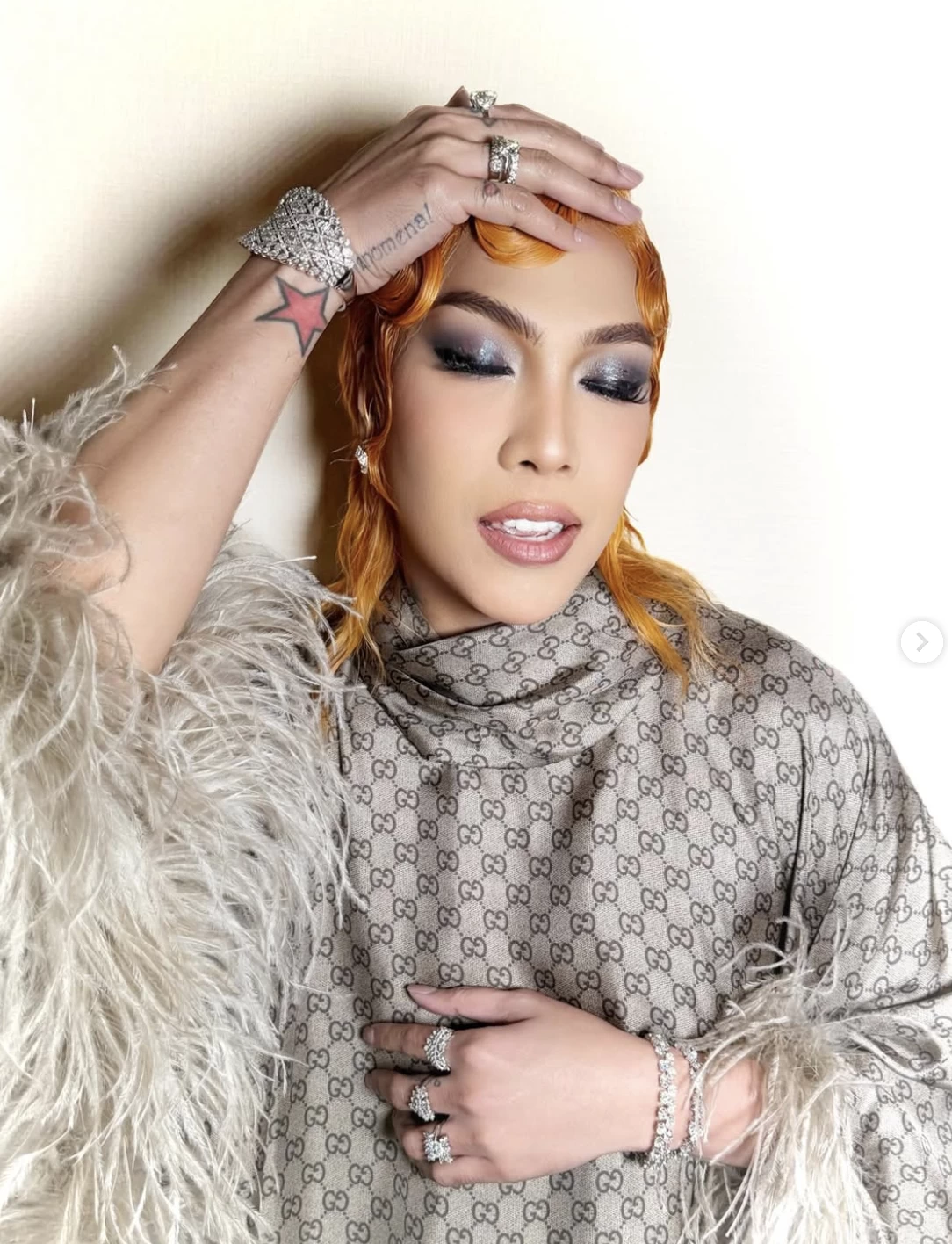
Vice Ganda (Instagram)
For decades, queer presence in Philippine cinema has existed in plain sight—and yet, paradoxically, on the margins. LGBTQI characters were everywhere, but rarely seen.
They were comic relief, flamboyant sidekicks, punchlines dressed in sequins. They were there to make the audience laugh, not to be taken seriously. There, but not quite allowed to matter.
That is why Vice Ganda’s Best Actor win at the 51st Metro Manila Film Festival is not just another trophy moment. It is a cultural reckoning. It is long overdue.
And for the LGBTQI community—especially for queer dreamers still aiming for the stars—it is a quiet but resounding declaration: we are no longer just film decor.
Vice Ganda’s victory for “Call Me Mother” finally shattered a glass ceiling that queer performers have been bumping against for generations.
Not because LGBTQI actors lack talent—far from it—but because the industry has long struggled to imagine them as anything other than caricatures.
Vice himself has lived this paradox. A box-office juggernaut, a cultural force, a ratings magnet—yet for years, serious acting recognition remained elusive. He had been nominated before (“Sisterakas,” “Girl, Boy, Bakla, Tomboy,” “And the Breadwinner Is…”), praised, popular, but never chosen. Seen, but not fully acknowledged.
Until now.
When Vice Ganda stood on the MMFF stage on Dec. 27, 2025, clutching the Best Actor trophy in visible disbelief, his first words—“Ako nga!”—captured the shock of a moment many queer Filipinos know too well.
The shock of being chosen in a world where you’ve been conditioned to expect otherwise.
“Mas inexpect kong hindi mananalo,” he admitted. “Mas inexpect akong hindi nakikita.” That line alone cut deep, because it echoed a collective experience: being appreciated, even loved, but rarely picked.
And then came the words that turned an awards speech into a manifesto: “Queer people can be best actors.” Not supporting actors. Not comic actors. Not special citations. Best actors. Period.
In a country where gender categories remain rigid, Vice Ganda’s win in a traditionally gendered acting category was quietly radical. It challenged the unspoken rule that queerness belongs only in the margins of “serious” cinema.
That night, the MMFF jurors validated the idea that excellence has no gender, no sexual orientation, no prescribed shape. For countless young queer artists watching—those still being told to lower their expectations or “know their place”—this moment widened what felt
possible.
What made the moment even more powerful was the vulnerability Vice brought to the stage. His performance as Twinkle Reyes in “Call Me Mother” — a queer beauty pageant coach seeking to adopt a child—was already a departure from the usual tropes.
Twinkle is not a joke. She is capable, loving, and afraid—not because she lacks the ability to parent, but because society might not allow her to. As Vice articulated in his speech, this fear is one of the heaviest burdens the LGBTQIA+ community carries: not the fear of being
incapable, but the fear of being prohibited.
In reframing motherhood as genderless, Vice spoke a truth that Philippine cinema has long resisted. “Kaming mga bakla… hindi kami magdadala ng bata, pero nanay kami,” he said. “Nanay kami ng mga sarili at pinipili naming pamilya.”
In those lines, “Call Me Mother” stopped being just a film title. It became a mirror of lives
lived quietly, lovingly, and often without validation.
Perhaps the most poignant moment came when Vice dedicated the award to his husband, Ion Perez. In a country where queer love is still politicized, and queer families remain legally invisible, Vice’s declaration of wanting to be a mother, dreaming of a child and a family, was revolutionary in its simplicity.
There was no defiance, no grandstanding. Just honesty. Just love. Just truth spoken on a national stage.
This is why the win resonated far beyond the acting category. Note that “Call Me
Mother” also received the Gender Sensitivity Award, affirming not only Vice Ganda’s performance, but the film’s compassionate, responsible portrayal of queer lives.
This recognition matters. It signals that LGBTQI stories, when told with care and
authenticity, are not niche or risky—they are necessary.
That the film was also named Third Best Picture only strengthens the case: inclusivity does not dilute storytelling; it deepens it.
Of course, Vice Ganda’s MMFF win does not magically erase decades of stereotyping. There is still work to be done, more doors to open, more narratives to expand. But moments like this change the atmosphere.
They give courage to those still standing on the edges of the industry, wondering if their queerness will always be a liability.
That night, when Vice said, “At last!” It felt less like personal relief and more like
collective release. At last, the industry said yes. At last, a queer performer was not
just applauded—but chosen.
And in that choice, the LGBTQI community—and every queer dreamer still daring to look up—saw something it had waited far too long for: not permission to exist, but proof that the stars were never out of reach.