







When we travel, towns live
The quiet power of domestic tourism
Published Jan 30, 2026 05:45 pm


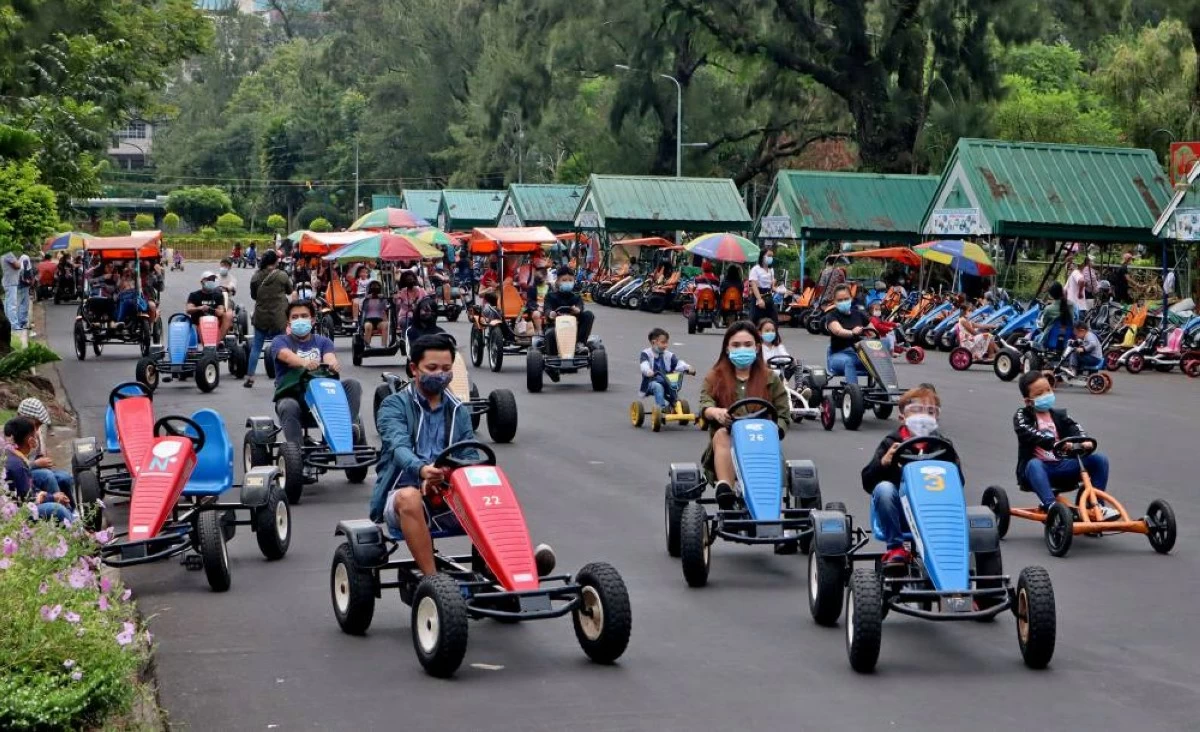
(Photo courtesy of Zaldy Comanda / MANILA BULLETIN)
There’s a moment every Filipino traveler knows—the one that happens right after you arrive.
Maybe it’s in Baguio, when the cold finally hits your cheeks as soon as you step out of the car after hours of traffic. Maybe it’s in Puerto Princesa, when you exit the airport gates and the air tastes like salt and sunlight on your tongue. Maybe it’s in Davao, when the plane starts its descent and you see crystal waters framed by majestic mountains. Bliss.
But in many communities, that moment is not only yours.
It’s also the moment a tricycle driver gets his first booking of the day. A hotel staff member sees occupancy rise. A street vendor sells out pomelo and durian faster than usual. A souvenir printer gets a new order. A tour guide’s phone lights up with inquiries. A farmer in Tagaytay gets asked if he can supply more produce for the weekend.
That’s the thing about tourism—it doesn’t just create memories. It creates movement—and that movement creates money.
Tourism by the numbers
Before the pandemic, tourism was one of the strongest engines of the Philippine economy. In 2019, tourism contributed 12.8 percent of GDP, equivalent to about ₱2.51 trillion in Tourism Direct Gross Value Added (TDGVA), based on the Philippine Statistics Authority’s Tourism Satellite Account figures.
When Covid-19 arrived, that contribution collapsed. By 2020, tourism’s GDP share dropped to 5.4 percent, with TDGVA plunging to about ₱973.31 billion—a breathtaking fall that communities felt faster than any official report could capture.
It stayed weak in 2021 at around 5.2 percent, then began recovering: 6.4 percent in 2022, 8.6 percent in 2023, and 8.9 percent in 2024, with TDGVA rising to about ₱2.35 trillion. Unfortunately, we have not rebounded—let alone match the growth of our ASEAN neighbors.
But many would be surprised to know that Philippine tourism is not a “foreign-dependent” industry. It is powered largely by Filipinos traveling within the country. In 2024, domestic tourism expenditure reached ₱3.16 trillion, compared to ₱699.99 billion in inbound tourism expenditure—meaning local travel spending was about 4.5 times larger than foreign visitor spending.
This matters because it proves a crucial truth: even when international arrivals soften, communities are not helpless. Filipino travelers continue to provide the economic pulse that keeps hotels running, tours alive, and small businesses earning.
A community lifeline
For Judyline Canoneo, a professor who also runs multiple Airbnb units, she has seen the industry from both the community and business side, and even served as an officer of the Baguio Tourism Council.

Judyline Canoneo
“Tourism allowed me to see tourism not just as a livelihood, but as a community lifeline,” she shares. “It gave me the opportunity to create income streams that support my family, employ locals, and reinvest back into the city through compliance, taxes, and partnerships with local suppliers.”
She says, “For Baguio, tourism is transformative. It is often cited as the richest city outside Metro Manila, with a high GDP largely because many residents are able to balance professional careers with small tourism-related businesses like Airbnbs, hotels, cafés and restaurants, transport services, guiding and travel agencies, food, events, and crafts.”
She points out something crucial: the tourism economy isn’t just owned by large corporations.
“More than the numbers, tourism keeps Baguio vibrant because it sustains jobs, preserves culture, supports local talent, and gives communities dignity through honest work. When tourism thrives, the city thrives—and so do the people.”
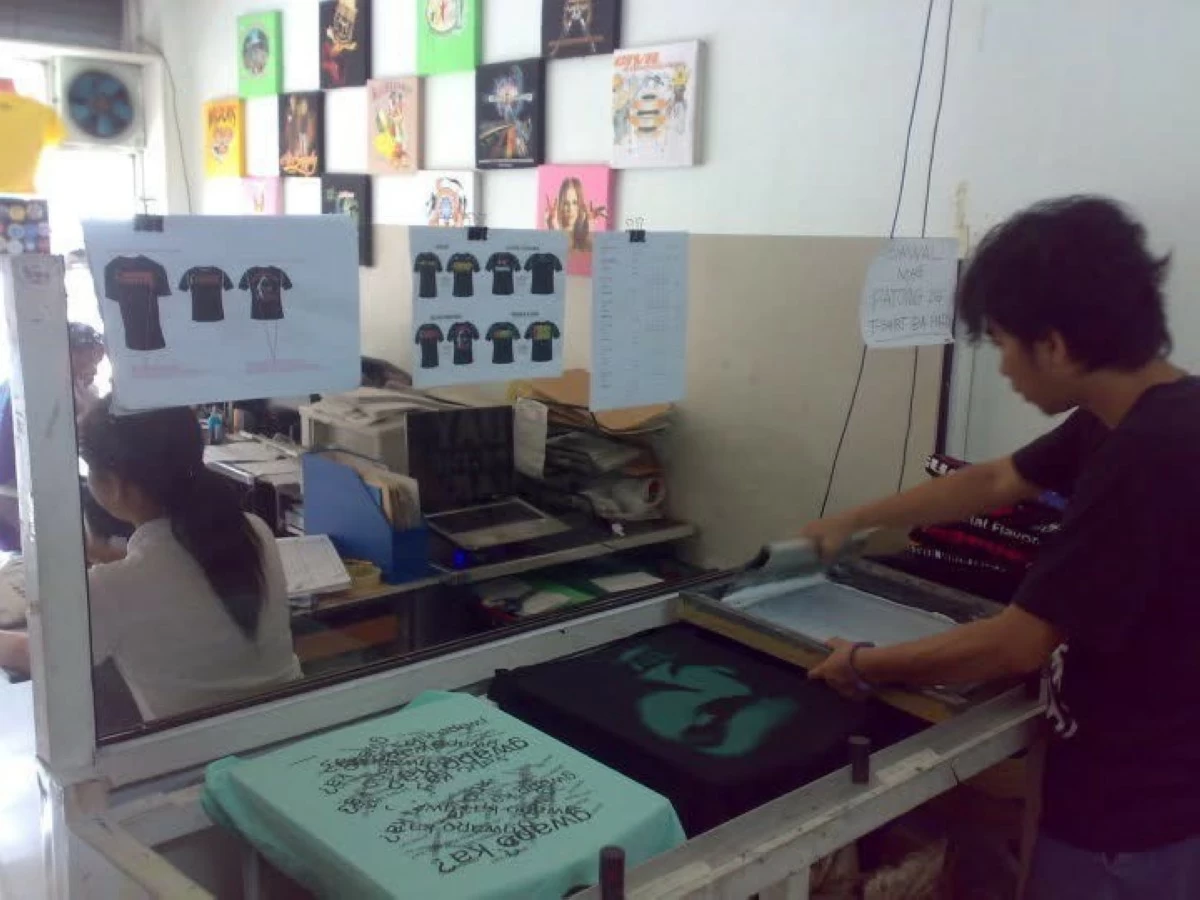
Glenn's printing company

Glenn Baratbate
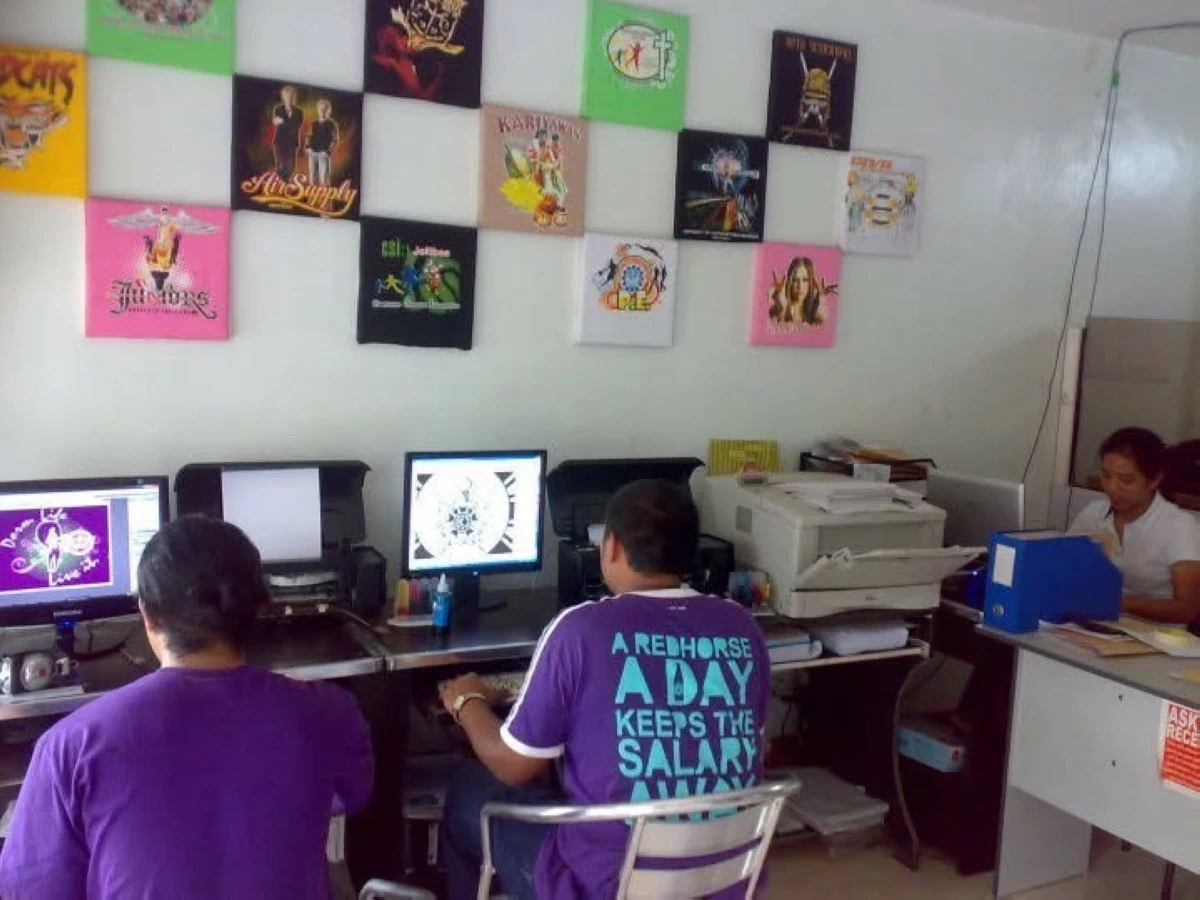
Glenn's printing company
Souvenirs
For Glenn Baratbate, tourism is not an abstract concept. It is payroll.
He has been in the t-shirt printing business for over 20 years, supplying souvenir shirts to major tourist destinations—Davao, Puerto Princesa, El Nido, Coron, Vigan, and Siargao.
“This is our main source of income, and I was able to employ 20+ people from our neighborhood before,” he says. When tourism slowed, the business suffered. And staffing went down with it.
“When business slowed, we had to remove people. Now I only have two left.)”
That is what tourism decline looks like in real life: not a graph, but a shrinking team. Not just a statistic, but a family losing stability.

Reagan Loberternos and the Pedi App team

Reagan Loberternos and the Pedi App team
Tourism is evolving—and Filipinos are adapting
Tourism is no longer just about beaches and souvenirs. It’s also about systems, innovation, and new ways to serve travelers.
In Bohol, Reagan Loberternos co-founded Pedi App, a tricycle booking app. He sees how both local and foreign tourists are changing travel behavior.
“Most tourists are already accustomed to using transportation booking apps and therefore prefer transparent, upfront rates through the app rather than haggling with tricycle drivers, which can be stressful.” For drivers, it becomes a competitive opportunity rather than a gamble.
Rain Tizo-Melasa, who runs a rest house, describes how tourism doesn’t just benefit one owner—it uplifts a neighborhood. She says, “Because of tourists, our rest house is regularly booked. Tourism also helped our community. Guests support local stores, buy from nearby eateries, and hire local services. This creates a ripple effect—not just us benefiting, but also our neighbors and other small businesses.”
And in Davao, travel agent and regional tour guide Jen Ramirez shows how domestic travel can actively build livelihoods, especially in emerging destinations.
“I created Davao coffee tour, Davao chocolate tour and Davao palengke tour, at first just to help the guides.” But it grew into something bigger than tour packages. “We were able to help the Bagobo Tagabawa tribe, not only financially but even regain their identity and confidence.”
Her tours are “story based and community based, sustainable tourism”—proof that travel can be both income and healing.
Meanwhile, in Dinagat Islands, Saira Shade Gallogo Yaco, who runs a travel and tours business, describes how tourism supports an entire local chain: “When travelers come, it benefits boatmen, tour guides, drivers, accommodation owners, restaurants, food suppliers, artisans, farmers, fishermen, and many small businesses.”
For her, tourism is more than income—it is recovery and resilience, especially after Typhoon Odette hit. “Tourism is not just an industry—it is a pathway to livelihood, sustainability, and resilience.”
So the next time we book that quick local trip—Baguio, Cebu, Bohol, or Palawan, remember this: When Filipinos travel, towns live.