






Manila Bulletin
 Business
The Economy
Philippine gaming intake slides as casino shift to digital quickens
Business
The Economy
Philippine gaming intake slides as casino shift to digital quickens
Business
The Economy
Philippine gaming intake slides as casino shift to digital quickens
Philippine gaming intake slides as casino shift to digital quickens
Published Jan 30, 2026 03:45 pm


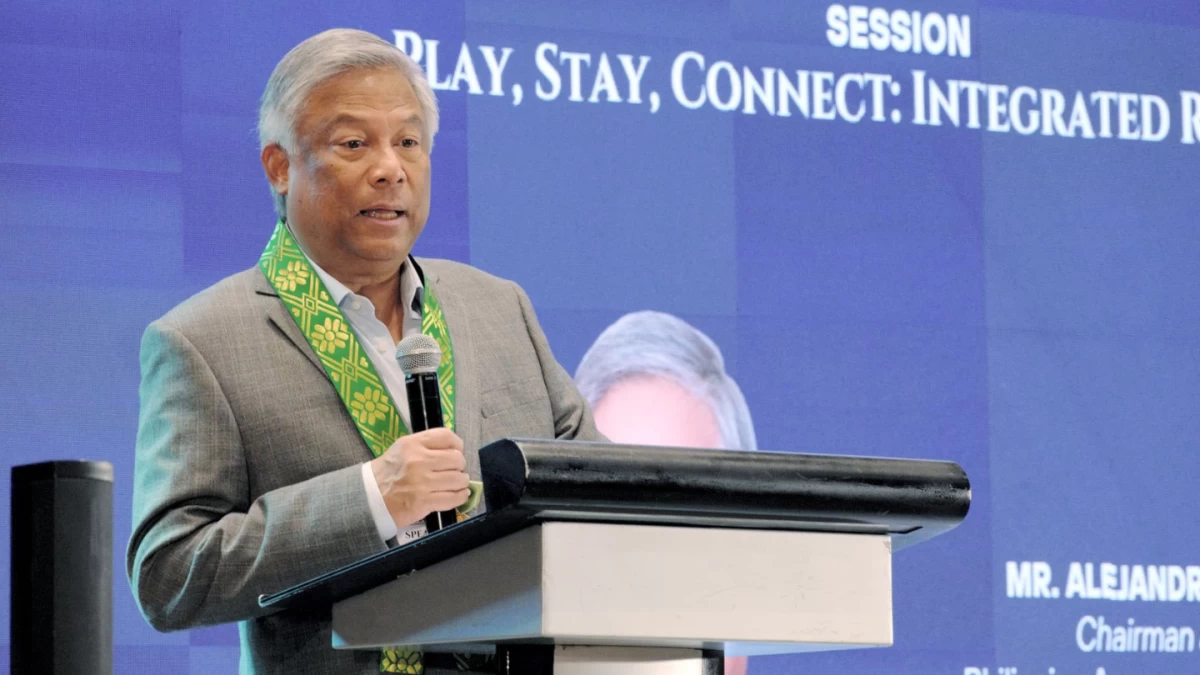
Pagcor Chairman and CEO Alejandro H. Tengco
The Philippine Amusement and Gaming Corp. (Pagcor) reported a 5.1 percent decline in annual revenue for last year, as sharp contraction in land-based casino earnings and the total phase-out of offshore gaming operators outweighed gains in the digital sector.
Total revenue fell to ₱106.03 billion from ₱111.72 billion a year earlier, according to figures released by the state-run gaming regulator and operator on Friday, Jan. 30.
Net income, however, rose 4.2 percent to ₱17.47 billion, from ₱16.77 billion in 2024, as the agency streamlined operations amid shifting market dynamics.
For the first time, electronic and online gaming activities—comprising eGames, eBingo, and bingo grantees—accounted for more than half of the agency’s gaming intake, generating ₱53.33 billion. This segment grew 9.3 percent year-on-year, providing a critical buffer against the slump in traditional bricks-and-mortar venues.
Pagcor Chairman and CEO Alejandro H. Tengco attributed the softening of land-based earnings to an accelerating shift in consumer preference.
Revenue from Pagcor-operated casinos plunged 18 percent to ₱10.38 billion, while contributions from licensed integrated resorts and private casinos dropped 4.9 percent to ₱31.44 billion.
“The decline in revenues from land-based casinos is largely driven by the gradual change in player behavior, with more customers opting for digital and online gaming platforms,” Tengco said.
He added that the regulator has responded by upgrading its framework to ensure player protection and transparency within the digital space.
The 2025 figures were also pressured by the complete removal of offshore gaming, formerly known as Philippine offshore gaming operations, from the revenue stream.
The sector had contributed nearly ₱3 billion to the agency’s top line in 2024 before a government-mandated ban took full effect.
Despite the dip in gross receipts, Pagcor maintained its role as a primary source of state funding, though its total contribution to nation-building initiatives softened to ₱66.95 billion from ₱68.21 billion.
The National Treasury received the largest share at ₱45.19 billion, representing the mandated 50 percent government take.
Additional disbursements included ₱4.76 billion in franchise taxes and ₱907 million in corporate income taxes to the Bureau of Internal Revenue.
The agency also allocated Php2.26 billion to the Philippine Sports Commission and earmarked ₱12.77 billion for socio-civic programs under the Office of the President. Other beneficiaries included the Renewable Energy Trust Fund and host cities of Casino Filipino branches. (Derco Rosal)