






Manila Bulletin
 Philippines
National
Massive classroom backlogs caused by corruption, patronage — group
Philippines
National
Massive classroom backlogs caused by corruption, patronage — group
Philippines
National
Massive classroom backlogs caused by corruption, patronage — group
Massive classroom backlogs caused by corruption, patronage — group
ACT points to systemic corruption, favoritism in education projects as the root cause of classroom delays and learning disruptions
Published Jan 30, 2026 07:48 pm


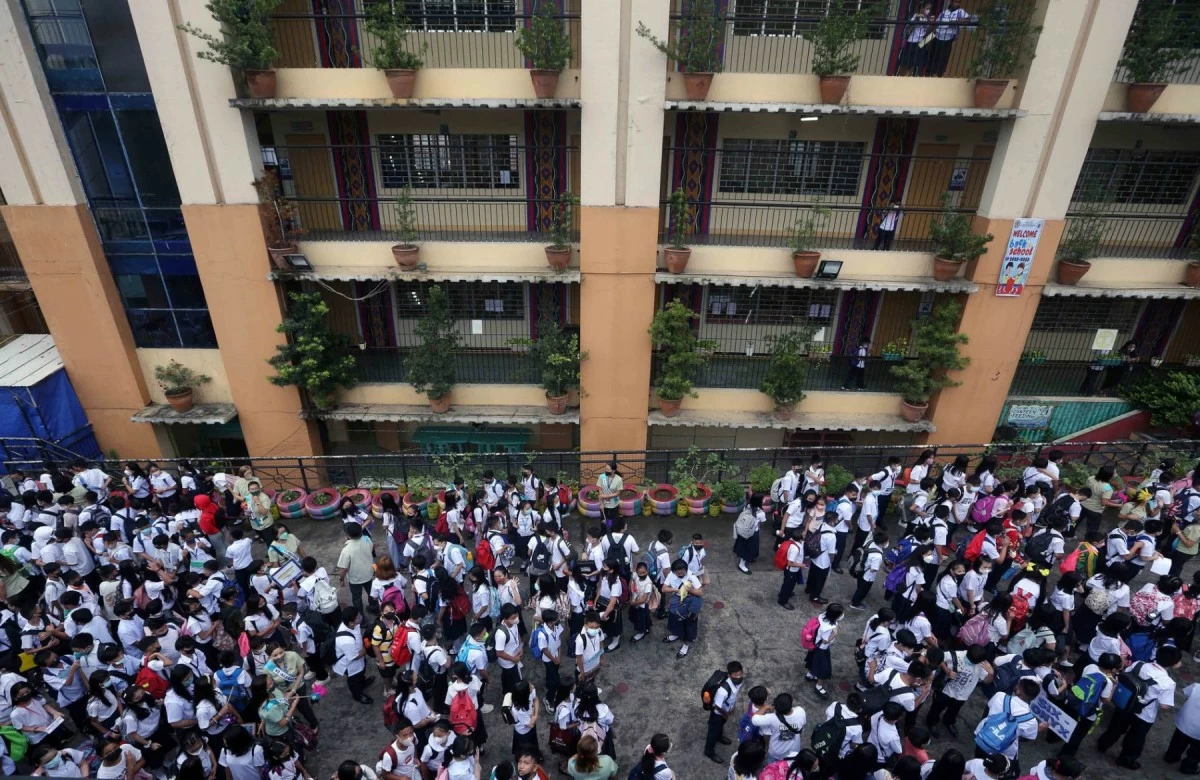
ACT warns that decades of corruption and patronage in education projects have fueled the Philippines’ massive classroom shortage, leaving thousands of students without proper learning spaces. (Manila Bulletin / file)
A group of education workers on Friday, January 30, blamed corruption and patronage politics for the country’s worsening classroom shortage.
In a statement, the Alliance of Concerned Teachers (ACT) warned that the backlog—now at 166,000 classrooms and projected to reach 230,000 by 2028—reflects systemic failures in education infrastructure spending rather than simple delays or insufficient targets.
“Resulta na ito ng dekada-dekadang kapabayaan (This is the result of decades of neglect),” ACT Chairperson Ruby Bernardo said. “Kung 99 classrooms lang ang nagawa noong isang taon, malinaw na may malalim na problema sa implementasyon (If only 99 classrooms were built last year, it’s clear that there is a deep problem in implementation),” she added.
ACT said that despite repeated government announcements of “historic” education budgets and expanded classroom construction programs, the shortage continues to grow, exposing how public funds are allegedly lost to overpriced contracts, substandard construction, and politically driven project allocations.
“Ang tunay na sukatan ng badyet ay hindi kung gaano ito kalaki sa papel, kundi kung may silid-aralan bang napapasukan ang bawat bata (The true measure of the budget is not how large it looks on paper, but whether every child has a classroom to enter),” Bernardo said.
“Malaki ang pangangailangan, at malinaw ang mga numero. Ang tanong ngayon: may bilis, may kalidad, at may pananagutan ba ang pagpapatupad? (The need is immense, and the numbers are clear. The question now is: does implementation carry speed, quality, and accountability?),” she added.
ACT noted that year after year, large portions of the education budget are funneled into infrastructure programs handled by the same implementing agencies and contractors, yet thousands of classrooms remain unfinished, poorly built, or falsely reported as fully completed.
“Paulit-ulit ang anunsyo, paulit-ulit din ang krisis (The announcements are repeated, and so is the crisis),” Bernardo said. “Iyan ang tanda ng burukrata-kapitalismo—isang sistemang kumikita sa kakulangan at pagkakait (That is the mark of bureaucrat-capitalism—a system that profits from scarcity and deprivation),” she added.
ACT also cautioned against relying on the increased involvement of local government units (LGUs) and other implementing agencies as a solution, saying decentralization without transparency could simply spread corruption further.
“Hindi solusyon ang paglipat ng pondo kung paglipat din ng patronage at korapsyon ang mangyayari (Transferring funds is not a solution if it also transfers patronage and corruption),” Bernardo said. “Ang decentralization na walang tunay na transparency ay pagpapalawak lang ng parehong bulok na sistema (Decentralization without genuine transparency only expands the same rotten system),” she added.
ACT added that the persistent classroom backlog has direct consequences on teaching and learning conditions, resulting in overcrowded classrooms, multiple shifting schedules, heavier teacher workloads, and declining education quality.
“Habang kulang ang silid-aralan, tumitindi ang pasanin ng guro (While classrooms remain insufficient, the burden on teachers intensifies),” Bernardo said. “Hindi puwedeng ihiwalay ang classroom crisis sa kalagayan ng mga guro at mag-aaral (The classroom crisis cannot be separated from the condition of teachers and students),” she added.
ACT also stressed that addressing the classroom shortage requires more than technical adjustments or changes in implementation schemes.
“Hangga’t ginagawang proyekto ang silid-aralan imbes na obligasyon ng estado, mananatili ang backlog (As long as classrooms are treated as projects instead of obligations of the state, the backlog will persist),” Bernardo said.
“Hindi reporma ang kailangan—kundi wakasan ang sistemang kumikita sa kakulangan ng edukasyon (What is needed is not reform—but to end a system that profits from the shortage of education),” she added.
ACT renewed its call for strict public scrutiny of all education infrastructure spending, an end to patronage-driven project allocation, and a shift in education funding priorities toward the real needs of teachers and learners.