






Manila Bulletin
 Philippines
National
Escudero: Health, border officials should keep protocols vs Nipah fully active
Philippines
National
Escudero: Health, border officials should keep protocols vs Nipah fully active
Philippines
National
Escudero: Health, border officials should keep protocols vs Nipah fully active
Escudero: Health, border officials should keep protocols vs Nipah fully active
Published Jan 30, 2026 04:19 pm


At A Glance
- As the global concern over the Nipah virus continue to rise, Senator Francis "Chiz" Escudero urged the country's health and border officials to maintain strict vigilance and ensure that preparedness systems remain fully operational, even thought current health advisories place the Philippines at low risk.
As the global concern over the Nipah virus continue to rise, Senator Francis “Chiz” Escudero urged the country’s health and border officials to maintain strict vigilance and ensure that preparedness systems remain fully operational, even thought current health advisories place the Philippines at low risk.
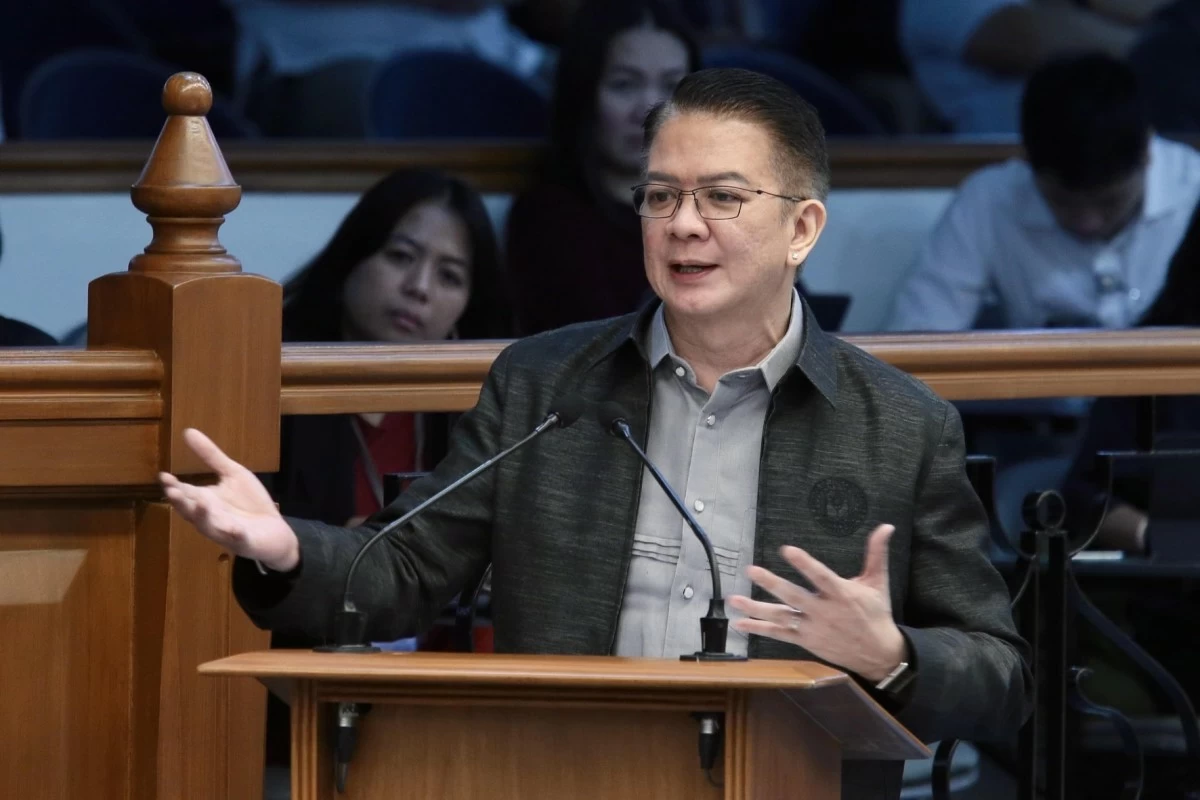
Senator Francis "Chiz" Escudero (Facebook)
Escudero warned that the developments in neighboring countries underscore the need for sustained and proactive monitoring.
The senator pointed out several Asian countries have already tightened airport health checks following recent outbreak of the Nipah virus abroad.
“Public safety depends not only on rapid response but on continuous readiness,” Escudero said.
“Preparedness is never the work of a single office. It is a shared responsibility that requires synchronized systems, updated data, and timely communication,” he stressed.
Escudero said the Department of Health (DOH) and the Bureau of Quarantine must keep border health protocols fully activated, from thermal scanning and symptom monitoring to clear guidance for arriving passengers.
These measures, he said, are critical to preventing the entry and spread of high
The senator also underscored the need for strong inter
“We should learn from the mistakes of the past, particularly during the COVID pandemic, and strive to do better. That means not repeating those missteps but instead collating and applying the best practices we developed and witnessed, especially from the healthcare professionals and LGUs who were on the frontlines during that time,” the lawmaker said.
Escudero reminded that early detection and transparent reporting remain the strongest defenses against emerging health threats.
"I call on our authorities to continue refining surveillance tools and ensuring that frontline personnel are equipped with updated protocols,” he stressed.