

ADVERTISEMENT

Common visa application mistakes to watch out for

Your go-to guide for a seamless visa application

Published Jan 30, 2026 07:49 am

At A Glance

  • As you start planning for future trips, it's essential to make sure you have the proper requirements before flying off.
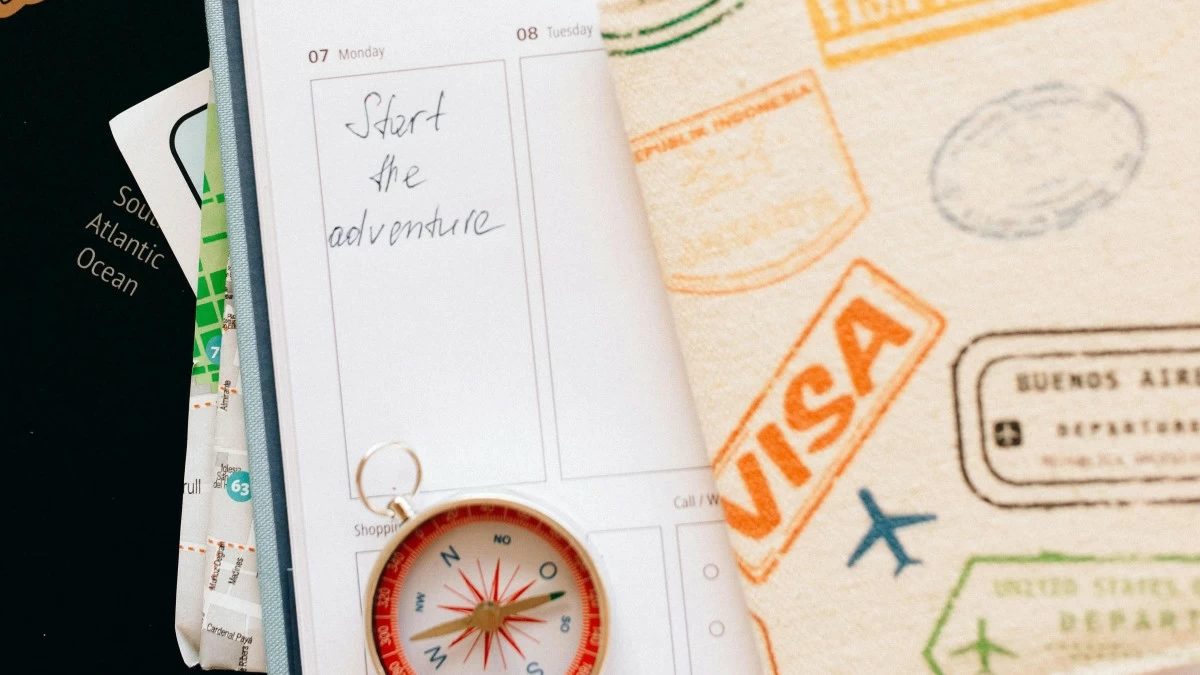
TRUST THE PROCESS Visa applications can fly by with ease if you follow the right procedures.
International travel is a common entry in our bucket lists, but it isn’t as simple as booking a plane ticket as soon as seat sales drop. For many, the visa application process is a tough hurdle to face before pursuing their dream vacation. As you start planning for future trips, it’s essential to make sure you have the proper requirements before flying off. Here are six common visa application mistakes travelers need to watch out for when applying.
Late applications
Most embassies have a set number of days to process visa applications. To ensure a smooth process, it’s best to take care of your visa application process as early as possible. Book your visa application at least three months before your intended travel. Remember that there is no way to speed up the process, as embassies have fixed procedures.
Information mismatch
Double check the information you fill in for your application. Ensure that your personal details have no typos. See to it that your passport is up-to-date. Verify how many days you intend to stay, the address of where you’ll be staying, and your purpose for travel.
Incorrect photo format
Some embassies have different photo requirements. For example, Japanese visas require 45x35mm (2x14 inches), whereas US visas require 51x51mm (2x2 inches). Make sure the photos are taken recently, within at least six months of your application. Sometimes you also need to have proper attire in the photo, though most photography stores offer edits, so you don’t always have to dress up.
Incomplete documents
To make things easier, always keep a list to check if you have all the required documents for your visa application. Most applications require your passport, completed forms provided by the embassy, recent photographs, bank statements, a detailed itinerary, and information about your flight and accommodations.
Unauthenticated bank statements
Bank statements are required for visa applications to prove that you have the funds to travel and return to your country of origin. Only take statements directly from your bank to ensure the proper details are included. Often, these also include an official seal or stamp from the bank that allows the embassy to verify the account’s authenticity. Make sure the bank statement is also addressed properly.
Beware of fraud
As with all application processes, always make sure you’re submitting your details to the proper channels. Check to see you are on the correct website when filling in your personal information to avoid phishing scams. Embassies may sometimes charge a small amount in the form of a service fee, though these are usually to fend off any fraudulent applications. Only use trusted services backed by the embassy to ensure the complete safety of your personal details.
These are just some of the handy tips we learned from VFS Global. VFS Global operates over 3,500 application centers in 153 countries. The company manages non-judgmental and administrative tasks related to applications for visas, passports, and consular services for its client governments, increasing productivity and enabling them to focus entirely on the critical task of assessment. By providing these tips and information, here’s hoping you can be more aware of how to avoid visa fraud and have a seamless application process.

Related Tags

Travel Visa
ADVERTISEMENT
.most-popular .layout-ratio{ padding-bottom: 79.13%; } @media (min-width: 768px) and (max-width: 1024px) { .widget-title { font-size: 15px !important; } }

{{ articles_filter_1561_widget.title }}

.most-popular .layout-ratio{ padding-bottom: 79.13%; } @media (min-width: 768px) and (max-width: 1024px) { .widget-title { font-size: 15px !important; } }

{{ articles_filter_1562_widget.title }}

.most-popular .layout-ratio{ padding-bottom: 79.13%; } @media (min-width: 768px) and (max-width: 1024px) { .widget-title { font-size: 15px !important; } }

{{ articles_filter_1563_widget.title }}

{{ articles_filter_1564_widget.title }}

.mb-article-details { position: relative; } .mb-article-details .article-body-preview, .mb-article-details .article-body-summary{ font-size: 17px; line-height: 30px; font-family: "Libre Caslon Text", serif; color: #000; } .mb-article-details .article-body-preview iframe , .mb-article-details .article-body-summary iframe{ width: 100%; margin: auto; } .read-more-background { background: linear-gradient(180deg, color(display-p3 1.000 1.000 1.000 / 0) 13.75%, color(display-p3 1.000 1.000 1.000 / 0.8) 30.79%, color(display-p3 1.000 1.000 1.000) 72.5%); position: absolute; height: 200px; width: 100%; bottom: 0; display: flex; justify-content: center; align-items: center; padding: 0; } .read-more-background a{ color: #000; } .read-more-btn { padding: 17px 45px; font-family: Inter; font-weight: 700; font-size: 18px; line-height: 16px; text-align: center; vertical-align: middle; border: 1px solid black; background-color: white; } .hidden { display: none; }
function initializeAllSwipers() { // Get all hidden inputs with cms_article_id document.querySelectorAll('[id^="cms_article_id_"]').forEach(function (input) { const cmsArticleId = input.value; const articleSelector = '#article-' + cmsArticleId + ' .body_images'; const swiperElement = document.querySelector(articleSelector); if (swiperElement && !swiperElement.classList.contains('swiper-initialized')) { new Swiper(articleSelector, { loop: true, pagination: false, navigation: { nextEl: '#article-' + cmsArticleId + ' .swiper-button-next', prevEl: '#article-' + cmsArticleId + ' .swiper-button-prev', }, }); } }); } setTimeout(initializeAllSwipers, 3000); const intersectionObserver = new IntersectionObserver( (entries) => { entries.forEach((entry) => { if (entry.isIntersecting) { const newUrl = entry.target.getAttribute("data-url"); if (newUrl) { history.pushState(null, null, newUrl); let article = entry.target; // Extract metadata const author = article.querySelector('.author-section').textContent.replace('By', '').trim(); const section = article.querySelector('.section-info ').textContent.replace(' ', ' '); const title = article.querySelector('.article-title h1').textContent; // Parse URL for Chartbeat path format const parsedUrl = new URL(newUrl, window.location.origin); const cleanUrl = parsedUrl.host + parsedUrl.pathname; // Update Chartbeat configuration if (typeof window._sf_async_config !== 'undefined') { window._sf_async_config.path = cleanUrl; window._sf_async_config.sections = section; window._sf_async_config.authors = author; } // Track virtual page view with Chartbeat if (typeof pSUPERFLY !== 'undefined' && typeof pSUPERFLY.virtualPage === 'function') { try { pSUPERFLY.virtualPage({ path: cleanUrl, title: title, sections: section, authors: author }); } catch (error) { console.error('ping error', error); } } // Optional: Update document title if (title && title !== document.title) { document.title = title; } } } }); }, { threshold: 0.1 } ); function showArticleBody(button) { const article = button.closest("article"); const summary = article.querySelector(".article-body-summary"); const body = article.querySelector(".article-body-preview"); const readMoreSection = article.querySelector(".read-more-background"); // Hide summary and read-more section summary.style.display = "none"; readMoreSection.style.display = "none"; // Show the full article body body.classList.remove("hidden"); } document.addEventListener("DOMContentLoaded", () => { let loadCount = 0; // Track how many times articles are loaded const offset = [1, 2, 3, 4, 5, 6, 7, 8, 9, 10]; // Offset values const currentUrl = window.location.pathname.substring(1); let isLoading = false; // Prevent multiple calls if (!currentUrl) { console.log("Current URL is invalid."); return; } const sentinel = document.getElementById("load-more-sentinel"); if (!sentinel) { console.log("Sentinel element not found."); return; } function isSentinelVisible() { const rect = sentinel.getBoundingClientRect(); return ( rect.top < window.innerHeight && rect.bottom >= 0 ); } function onScroll() { if (isLoading) return; if (isSentinelVisible()) { if (loadCount >= offset.length) { console.log("Maximum load attempts reached."); window.removeEventListener("scroll", onScroll); return; } isLoading = true; const currentOffset = offset[loadCount]; window.loadMoreItems().then(() => { let article = document.querySelector('#widget_1690 > div:nth-last-of-type(2) article'); intersectionObserver.observe(article) loadCount++; }).catch(error => { console.error("Error loading more items:", error); }).finally(() => { isLoading = false; }); } } window.addEventListener("scroll", onScroll); });

Sign up by email to receive news.