






Manila Bulletin
 Business
Trade & Industry
Business groups urge manufacturing sector revival to recover from lackluster economic growth
Business
Trade & Industry
Business groups urge manufacturing sector revival to recover from lackluster economic growth
Business
Trade & Industry
Business groups urge manufacturing sector revival to recover from lackluster economic growth
Business groups urge manufacturing sector revival to recover from lackluster economic growth
Published Jan 30, 2026 03:20 pm


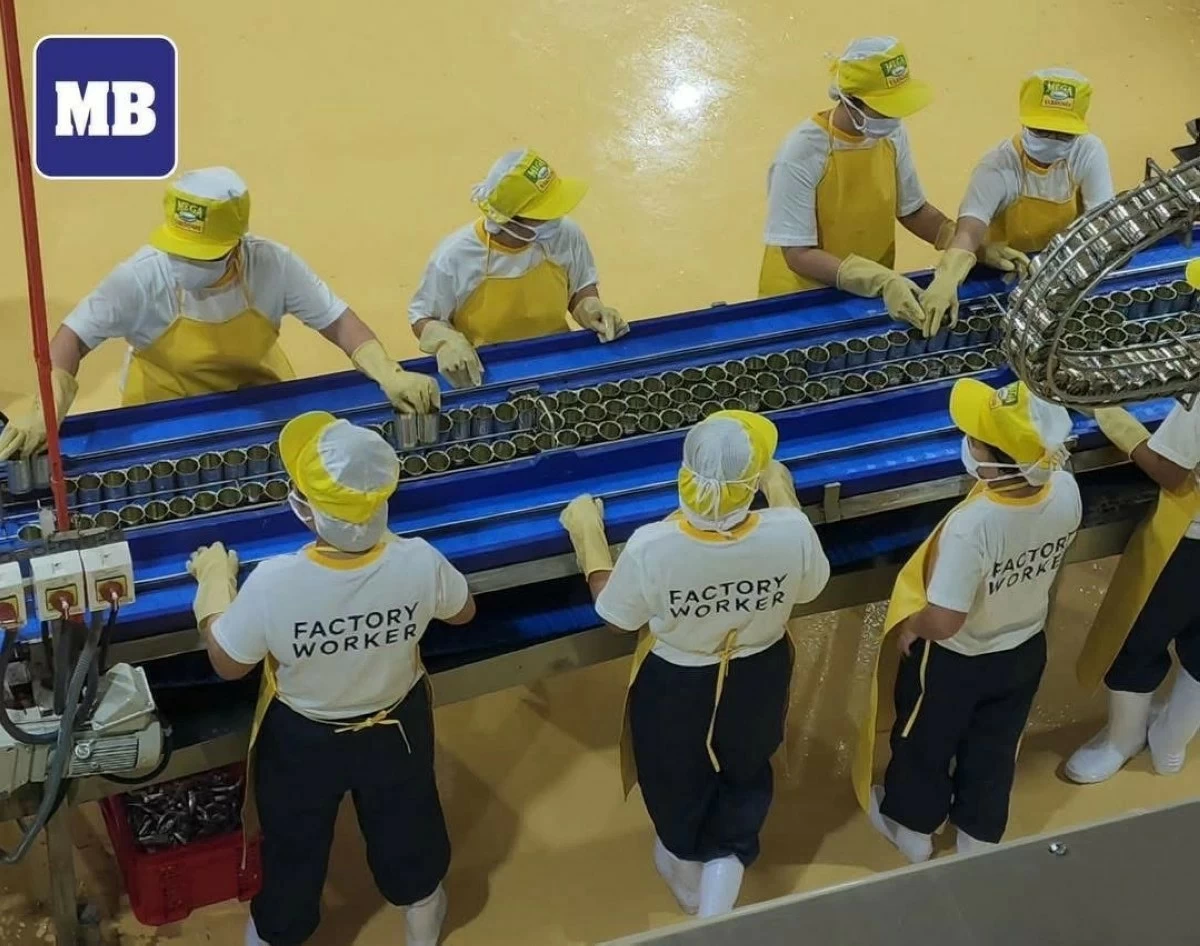
(Manila Bulletin file photo)
Business groups are pushing the Marcos Jr. administration to institute reforms aimed at reviving the manufacturing sector to breathe new life into the economy after posting lackluster growth last year.
According to the Philippine Statistics Authority (PSA), the country’s gross domestic product (GDP) grew by 4.4 percent in 2025, missing the government’s target of 5.5 to 6.5 percent.
The Federation of Philippine Industries (FPI), which groups domestic manufacturers, said the dismal growth underscored the urgent need to strengthen the country’s industrial base to boost competitiveness.
“Without a strong industrial backbone, the economy risks overdependence on services, which cannot fully absorb employment demand or provide the production base for global competitiveness,” said FPI chairperson Elizabeth Lee.
Last year’s economic growth was driven by the services sector, which expanded by 5.9 percent, and the agriculture, forestry, and fishing (AFF) sector, which registered a 3.1-percent increase.
In contrast, the industry sector grew by only 1.5 percent last year, weighed down by the flood-control scandal that halted the construction of government projects.
Manufacturing, a subsector of industry, recorded 2.5-percent growth, supported by demand for consumer goods and automotive-related activities.
Lee said revitalizing the industry sector, particularly manufacturing, means making factories resilient to shocks while also capable of delivering inclusive growth nationwide.
“Services alone cannot carry the Philippine economy. Industry must be revitalized to ensure resilience, competitiveness, and inclusive growth,” she added.
FPI said this requires stronger government efforts to enhance manufacturing competitiveness through innovation and export diversification, alongside industrial policy reforms.
Meanwhile, the big business lobby Makati Business Club (MBC) urged the government to follow through on recent economic policy changes by ensuring their proper implementation.
“MBC believes that key legislation, like the Freedom of Information (FOI) bill, amendments to the Bank Secrecy Law, and institutionalizing a budget process more open to public scrutiny, are important to economic development,” said MBC executive director Rafael Ongpin.
Ongpin also said the government should ensure that ease-of-doing-business reforms are effectively executed through digitalization initiatives at both national government agencies (NGAs) and local government units (LGUs).
Through reforms, the Philippine Chamber of Commerce and Industry (PCCI), which comprises micro, small, and medium enterprises (MSMEs), expects the economy to regain momentum in the first quarter of the year.
“Recovery is now imperative. We must focus on ensuring that corrective and preventive measures are in place so that this kind of disruption will not happen again,” said PCCI president Ferdinand Ferrer.
Ferrer said one such measure is the adoption of blockchain technology for this year’s ₱6.793-trillion national budget to ensure that every peso is accounted for, putting an end to potential corruption.
The Department of Information and Communications Technology (DICT) earlier said the Philippines has placed its entire budget for the year on the blockchain, becoming the first country in the world to do so.
Ferrer said this move sends a clear signal that the country is serious about strengthening investor confidence and restoring public trust—both critical components of strong economic growth.