






Manila Bulletin
 Philippines
National
Villanueva pushes BRIGHT Act to modernize bank secrecy, boost anti-corruption efforts
Philippines
National
Villanueva pushes BRIGHT Act to modernize bank secrecy, boost anti-corruption efforts
Philippines
National
Villanueva pushes BRIGHT Act to modernize bank secrecy, boost anti-corruption efforts
Villanueva pushes BRIGHT Act to modernize bank secrecy, boost anti-corruption efforts
By Dhel Nazario
Published Jan 29, 2026 12:54 pm
|
Updated Jan 29, 2026 03:15 pm


At A Glance
- Senator Joel Villanueva urged his fellow lawmakers to approve a measure modernizing the country's outdated bank secrecy laws, saying these have hindered transparency, obstructed accountability, and weakened the government's ability to combat corruption.
Senator Joel Villanueva urged his fellow lawmakers to approve a measure modernizing the country’s outdated bank secrecy laws, saying these have hindered transparency, obstructed accountability, and weakened the government’s ability to combat corruption.
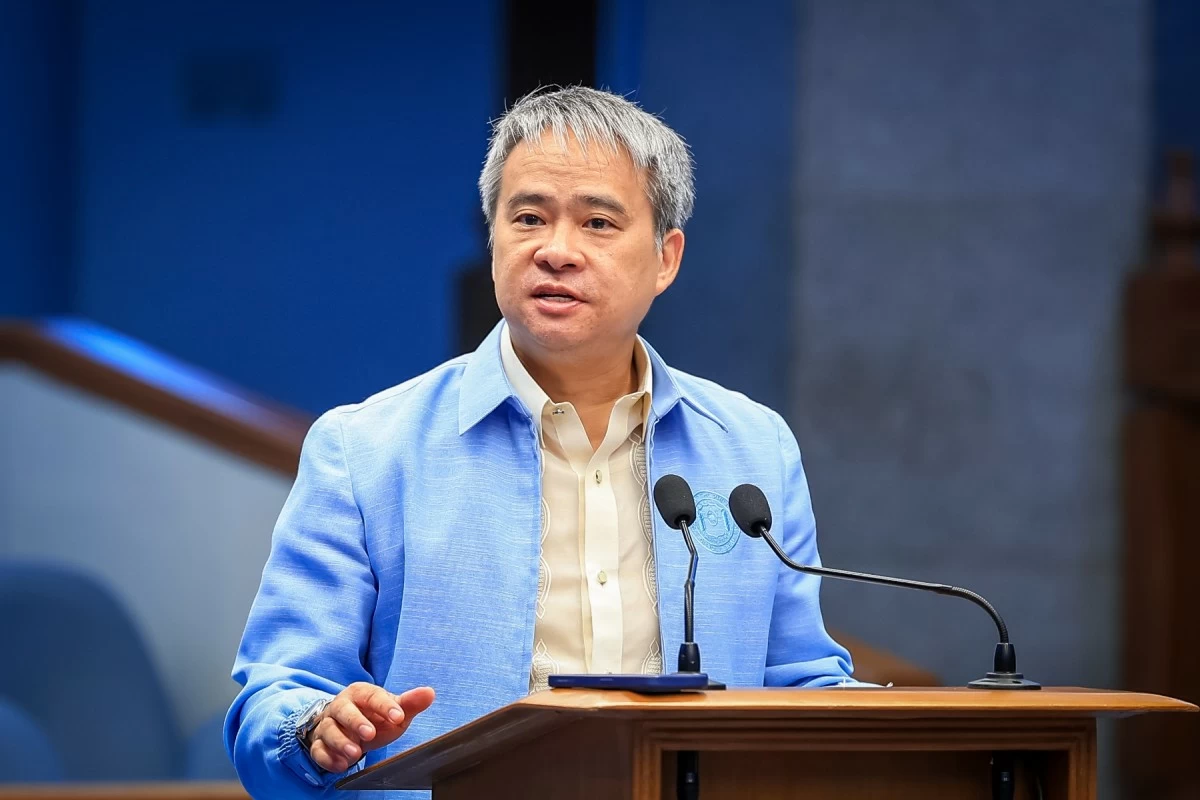
Senator Joel Villanueva (Senate PRIB photo)
“Our failure to modernize our bank secrecy regime has long left us behind. We have fallen out of step with global expectations and regional standards. And we continue to tie the hands of the very institutions tasked with protecting the integrity of our financial system,” Villanueva said in his sponsorship of Senate Bill No. 1728.
“What was originally crafted to protect depositor confidence has, over time, evolved into a shield for impunity, a refuge for illicit wealth, and a serious obstacle to effective financial regulation,” he added.
“Under the proposed Banking Reform for Integrity, Good Governance, Honesty, and Transparency (BRIGHT) Act, disclosure and examination of bank deposits are permitted under clearly defined conditions and legitimate purposes,” explained Villanueva, chair of the Senate Committee on Banks, Financial Institutions and Currencies.
According to the bill, these include investigations by the Office of the Ombudsman in accordance with its mandate; investigations in aid of legislation by committees of both houses of Congress; inquiries related to violations of anti-graft and anti-corruption laws; supervisory examinations or inquiries conducted by the Bangko Sentral ng Pilipinas, and lawful access by financial regulators and tax authorities in the performance of their mandates.
The BRIGHT Act also specifies that government agencies are allowed to issue orders to examine, inquire, or look into bank deposits. The measure also provides for a safe harbor provision for banks and non-bank financial institutions that comply with the mandatory disclosure requirements under the bill.
To prevent misuse, individuals may be penalized for abusing their authority to access deposit information, as well as those who unjustifiably refuse to disclose it when required by authorities.
“The BRIGHT Act is not merely a compliance measure, it is a governance reform, an anti-corruption reform, and a national integrity reform,” Villanueva said.
“It is a step toward recovering stolen public funds, preventing money laundering, strengthening tax enforcement, empowering regulators, and building a trustworthy and resilient financial system,” he added.
“Transparency is not the enemy of progress. Secrecy is. The era when bank secrecy could be used to hide wrongdoing must come to an end — and with the BRIGHT Act, the Philippines can finally join the rest of the world in upholding modern standards of financial integrity,” Villanueva said.