






Manila Bulletin
 Philippines
National
Marcoleta raises 'constitutional alarm' over prolonged acting Cabinet appointments
Philippines
National
Marcoleta raises 'constitutional alarm' over prolonged acting Cabinet appointments
Philippines
National
Marcoleta raises 'constitutional alarm' over prolonged acting Cabinet appointments
Marcoleta raises 'constitutional alarm' over prolonged acting Cabinet appointments
By Dhel Nazario
Published Jan 29, 2026 01:30 pm


Senator Rodante Marcoleta has raised a “constitutional alarm,” warning that the continued designation of several Cabinet officials in an acting capacity undermines constitutional checks and balances and weakens accountability in government.
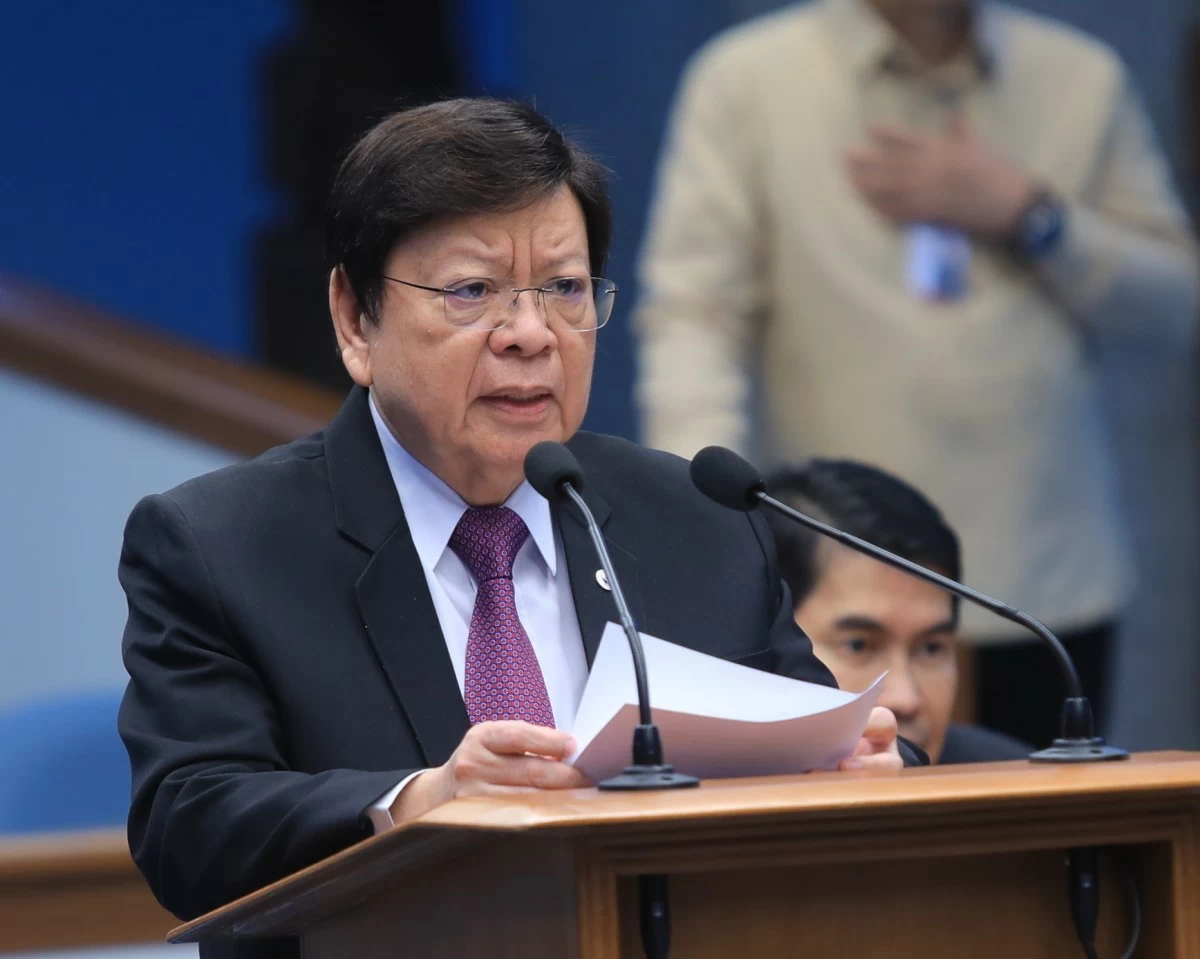
Senator Rodante Marcoleta (Senate PRIB photo)
In a privilege speech delivered on Wednesday, January 28, Marcoleta said a growing number of key government agencies are being led by acting secretaries who exercise full powers of their offices despite not having been submitted to the Commission on Appointments (CA) for confirmation, as required under the 1987 Constitution.
“At a time when local unrest and tumultuous global headwinds threaten the well-being of our kababayans, a growing number of crucial government agencies are being led, not by duly confirmed Cabinet secretaries, but by officials merely serving in an acting capacity,” Marcoleta said.
He stressed that what is at stake is not the reputation of individuals but “the integrity of our public institutions,” noting that acting officials wield immense authority, control billion-peso budgets, and approve major infrastructure projects without undergoing constitutional scrutiny.
Marcoleta identified several agencies currently headed by acting officials, including the Office of the Executive Secretary, Department of Finance, Department of Public Works and Highways, Department of Justice, Department of Budget and Management, Department of Environment and Natural Resources, Department of Transportation, and the Presidential Communications Office.
“These are core institutions of our government,” he said. “They control our money, they enforce our laws, they build our infrastructure. They defend sovereignty. They speak for the President and the republic.”
Citing Section 16, Article VII of the Constitution, Marcoleta emphasized that the President “shall nominate and, with the consent of the Commission on Appointments, appoint the heads of the executive departments,” stressing that the word “shall” makes submission to the CA mandatory, not optional.
Marcoleta also warned that prolonged acting appointments allow officials to exercise full discretion — including issuing policies, approving contracts, and authorizing expenditures — while effectively evading constitutional consent and oversight.
“If the President has confidence in these officials, their appointments should have been sent to the CA promptly,” Marcoleta said.
Senate President Pro Tempore Panfilo "Ping" Lacson said he had personally reminded Acting Executive Secretary Ralph Recto and other officials that failure to secure ad interim appointments before the resumption of session would prevent the CA from taking up their confirmation.
“That’s why I’m wondering why Malacañang has not issued ad interim appointments,” Lacson said, noting that at least seven to eight Cabinet posts remain filled in an acting capacity.
Responding to Lacson’s query, Marcoleta said acting and full-time secretaries may perform similar functions but warned that prolonged temporary leadership weakens constitutional safeguards.
Senate President Vicente “Tito” Sotto III also joined the discussion, recalling that acting secretaries face limitations, including restrictions on appointing officials and signing certain expenditures, which is why ad interim appointments are critical.
Marcoleta agreed, saying acting appointments carry conditions and limitations, and that some officials may be unable to perform key functions within their jurisdiction.
Sotto further cited a Supreme Court ruling limiting acting appointments to one year, warning that repeated acting designations could amount to circumvention of the CA’s authority.
“The grave problem is the CA cannot even act on its constitutional duty,” Marcoleta said, explaining that the CA can only confirm officials appointed in an ad interim capacity, not those merely designated as acting.