







Gimme six for 2026
Top sustainability trends shaping the year ahead
Published Jan 29, 2026 01:21 pm


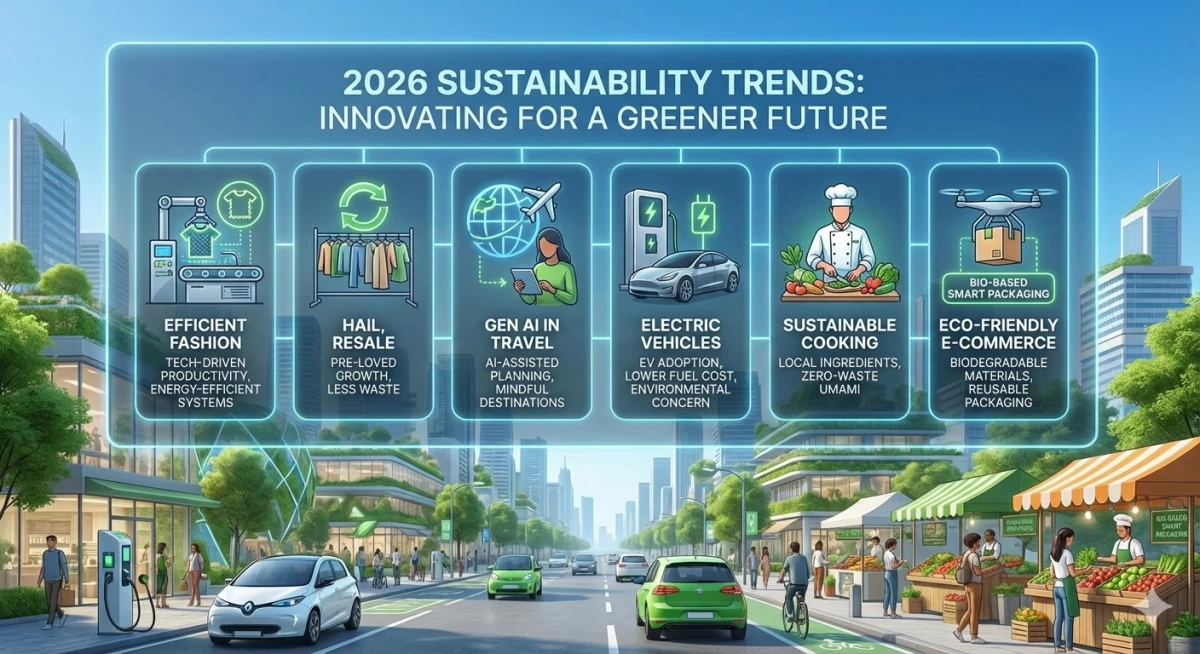
Trends for this year are being listed everywhere. A new year often brings opportunities to introduce new approaches, or strengthen movements that gained traction late in 2025. While every aspect of daily life comes with its own set of trends, it is always encouraging to see ideas that are expected to dominate the year while also benefitting the environment.
Looking across different industries, we gathered sustainability-driven trends worth watching—practices that can be enjoyed, adopted and felt good about in 2026.
• Efficiency in fashion. Technology, rather than traditional advantages, is expected to drive efficiency in the fashion industry, according to McKinsey & Company. In its report, “The State of Fashion 2026: When the rules change,” the firm said companies must become more efficient to sustain growth. New technology is seen as key to boosting productivity while lowering costs.
McKinsey noted that competitiveness is no longer centered on low-cost sourcing alone. Instead, companies are being pushed to invest in differentiators that support long-term growth. This shift often involves energy-efficient and smart systems, as well as a stronger preference for sustainable materials that have a lower environmental impact.
• Hail, resale. For those who favor secondhand fashion and pre-owned luxury items, the timing could not be better. Another trend identified by McKinsey is the rapid growth of the resale market. The report forecasts that resale will grow two to three times faster than the primary fashion market until 2027 driven by increased consumer appetite and improved resale platforms.
The rise of resale also supports more responsible consumption, less demand for newly sourced materials and ultimately, less waste ending up in landfills.
• Gen AI, of course. Generative artificial intelligence continues to make its presence felt across industries, including travel. In her article for bbc.com titled “Seven travel trends that will define 2026,” Laura Hall highlighted the growing use of Gen AI among travelers. Platforms such as Expedia and Booking.com have already integrated Gen AI tools, making trip planning more efficient for users.
However, Hall also warned against unintended consequences, particularly overtourism. Algorithm-driven recommendations can bring travelers to the same destinations and, in some cases, be exploited by scammers—issues that raise sustainability concerns.
• Electric vehicles. The Philippine market saw a significant increase in electric and hybrid vehicle offerings in 2025. Consulting firm Deloitte said lower fuel costs remain the primary reason consumers in the United States shift to electric vehicles, followed by environmental concerns, driver preferences and extended range.
At the same time, consumers who remain hesitant about EVs cite driving range as their top concern. Deloitte noted that purchasing decisions are largely influenced by product quality, vehicle performance and price, while factors such as advertising, brand affiliations and financing options play a lesser role.
• Sustainable cooking. In an article for The Straits Times, Cherie Lok reported on what chefs in Singapore described as a “collective awakening” among diners, who are becoming more conscious of their environmental impact. In “2026 food trends: Chefs foresee the rise of regional ingredients, sustainable cooking,” Lok explains how this shift is driving greater use of local and regional ingredients.
The trend also includes a push for “zero-waste umami” where every part of an ingredient is used. Diners, she added, are increasingly curious about how and where their food is sourced, with sustainability playing a growing role in their choices.
• Add to cart. E-commerce is no longer a passing trend but an established way of life. What is changing in 2026, however, is how goods are packaged and delivered. Logistics company DHL said next-generation biodegradable materials and smart packaging will increasingly shape the consumer experience.
This includes the use of sensors, QR codes and real-time tracking. DHL noted that more businesses are expected to shift toward bio-based materials, such as polylactic acid (PLA), a compostable plastic made from corn starch. Circular solutions—packaging that is reusable, recyclable or refillable—are also expected to gain momentum.