







Space of remembrance
Homes and architecture that honor family heritage
Published Jan 28, 2026 04:13 pm


By JOEL VIVERO RICO, FPIA, UAP
In a country and among a people as deeply nostalgic as the Filipino, it is only natural to assume that our houses were designed not merely as shelters, but as reflections of our distinct family lifestyles, occupations, passions, and contributions of national significance. Over the years, these homes have evolved into integral spaces of remembrance—repositories of heirlooms, memory, and legacy passed down through generations.

Joel Vivero Rico, FPIA, UAP - award-winning conservation architect, author, historian, heritage consultant, archaeologist, and history professor at De La Salle-College of Saint Benilde (DLS-CSB) Design and Arts
Several Filipino homes have transcended their roles as private residences to become part of our nation’s collective history. These houses do not simply stand as structures; they echo the stories of the individuals who lived in them and embody our heritage and aspirations.
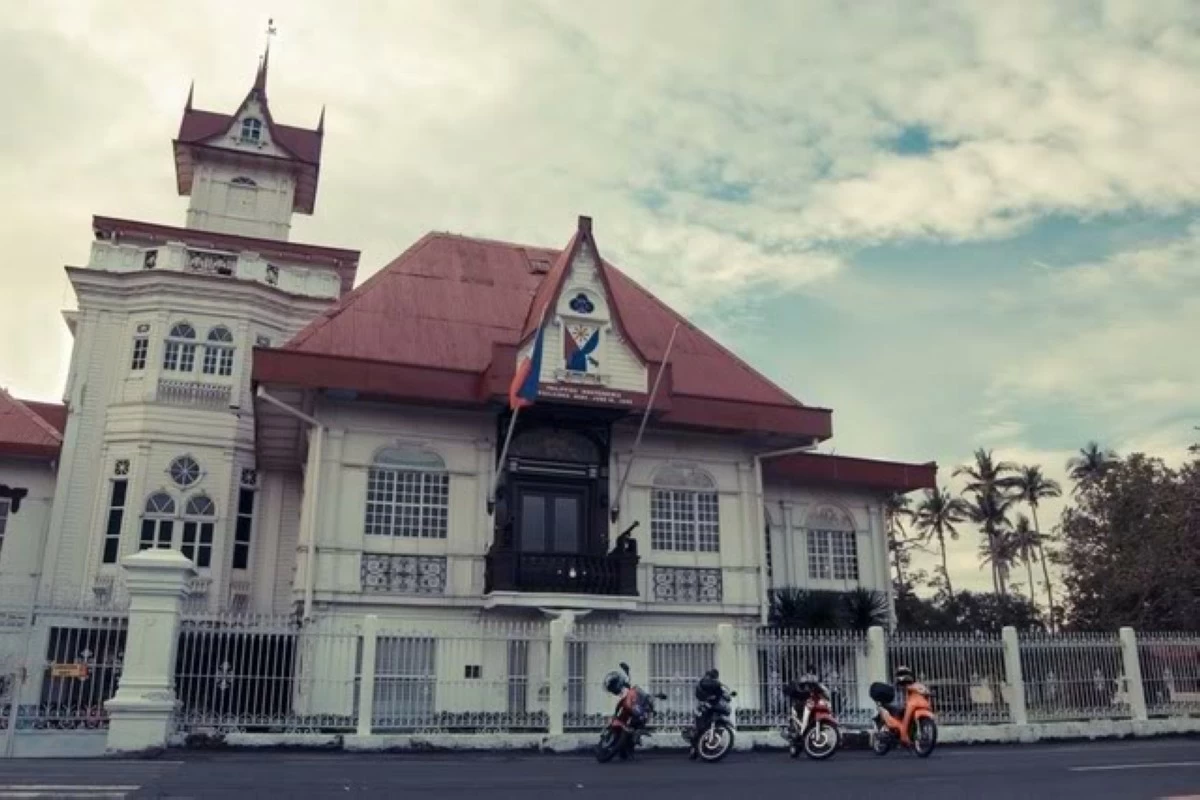
Aguinaldo Shrine. (Photo from cavite.gov.ph)
One such home is the Dr. Ariston Bautista and Petrona Nakpil House along Calle Barbosa (now A. Bautista Street) in Quiapo. Built in the 1920s by master builder Arcadio Arellano, the Art Nouveau–inspired mansion served as the residence of nationalist physician Dr. Ariston Bautista, a compatriot of Dr. José Rizal, and his wife, the jeweler and artist Petrona Nakpil. Although the couple had no children, their home would later be entrusted to another historically significant couple: Katipunero and musician Julio Nakpil, and Gregoria de Jesús, the Lakambini of the Katipunan and widow of Gat Andres Bonifacio. Today, the house is a family museum showcasing artistic jewelry and heirlooms connected to the Philippine Revolution and the rise of nationalist ideals. It is also the childhood home of Juan Nakpil, the first National Artist for Architecture, adding yet another layer of cultural and historic importance.
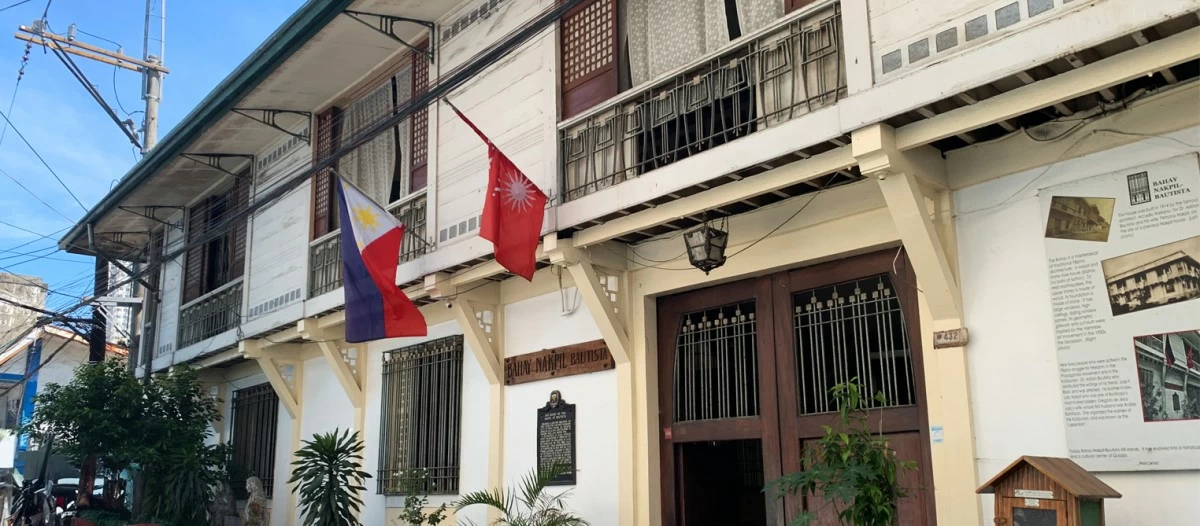
Bahay Nakpil-Bautista. (Photo from Bahay Nakpil-Bautista -Tahanan ng mga Katipunero on Facebook)
Equally remarkable is the Tomas Mapua House along Taft Avenue in Pasay City. Mapua built it in the 1930s in the Art Deco style popular of that era, it was designed for his wife, Rita Moya, and their family. Simple yet elegant, the house symbolizes the legacy of Tomas Mapua—one of the earliest Filipino Pensionado scholars, the first licensed Filipino architect in 1921, and the founder of the country’s first school of architecture, the Mapúa Institute of Technology, in 1925. Today, the restored Mapua home remains in the care of the Mapua–Lim family, who continue to honor the educational and architectural heritage their ancestor began.
Another iconic example of a home transformed into a cultural institution is fondly known in Filipino culture as “The House that Fried Chicken Built,” as the site of the original Max’s Restaurant in Quezon City. What began in 1945 as the family home of Stanford-educated teacher Maximo Gimenez, who welcomed American soldiers after World War II, eventually became a beloved restaurant when the soldiers insisted on paying for the food served in his home. The famous fried chicken recipe crafted by his niece, Ruby, laid the foundation for a culinary institution that continues to thrive today—all rooted in the warmth of a family dining room.
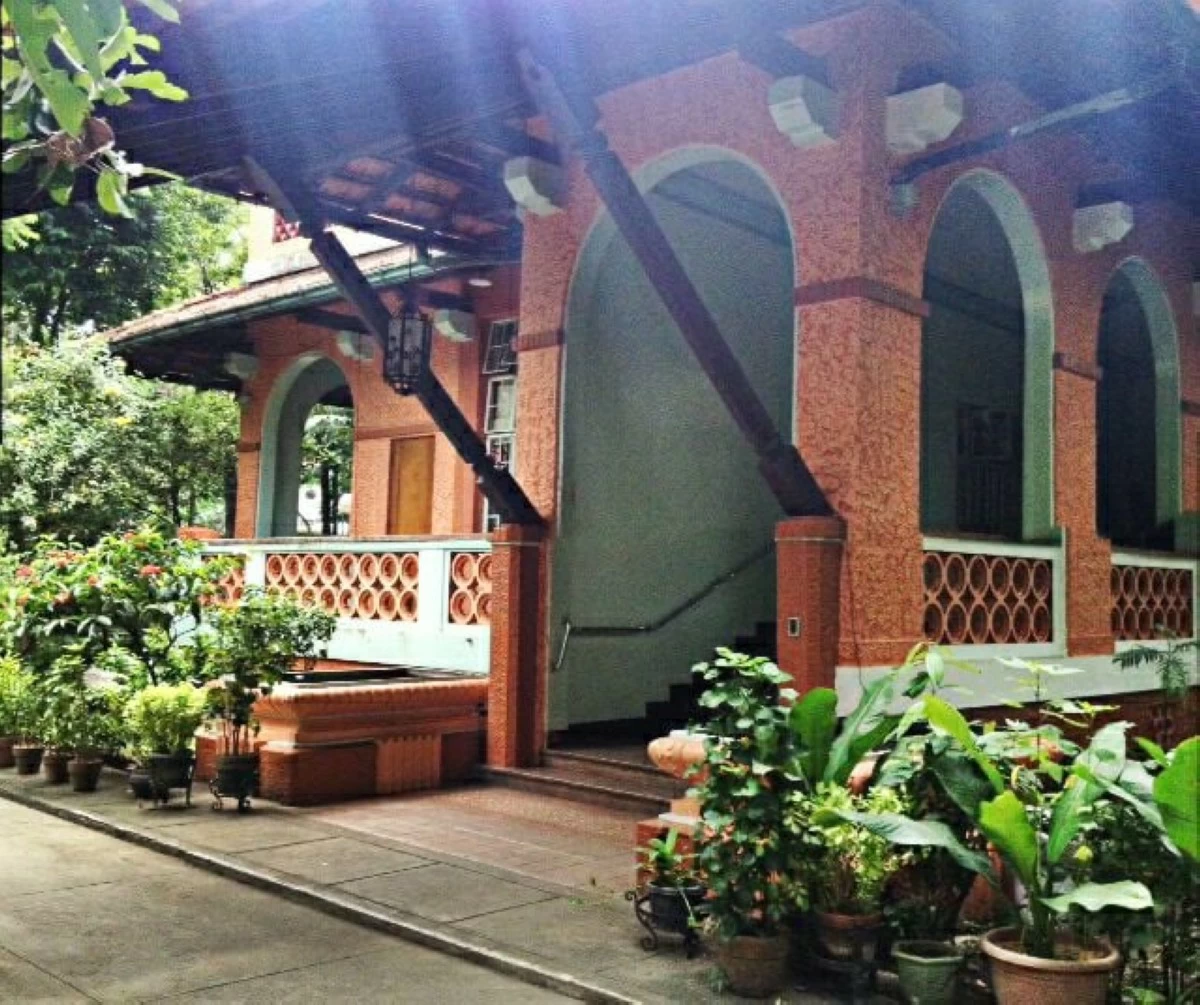
Tomas Mapua. (Photo from Joel Vivero Rico, FPIA, UAP)
Other ancestral homes—such as the Rizal family house in Calamba, the historic residences of Taal and Vigan, and many more—stand as poignant reminders of the roles their owners played in nation-building. Yet among these historic dwellings, none commands as much reverence as the Aguinaldo Shrine in Kawit, Cavite.
Built by Emilio Aguinaldo, former Gobernadorcillo of Kawit and Katipunero leader of the Magdalo faction, the house is inseparable from the narrative of Philippine independence. Within its walls and upon its now-sacred balcony, the first declaration of Philippine independence from Spain was proclaimed after more than three centuries of colonial rule. Here, the Philippine flag sewn by Marcela Agoncillo was first unfurled, and Julian Felipe’s Marcha Nacional Filipina—the melody that would become the Lupang Hinirang—was heard for the first time. It is also the only Filipino residence featured in the design of our national currency, forever cementing its place in our history.
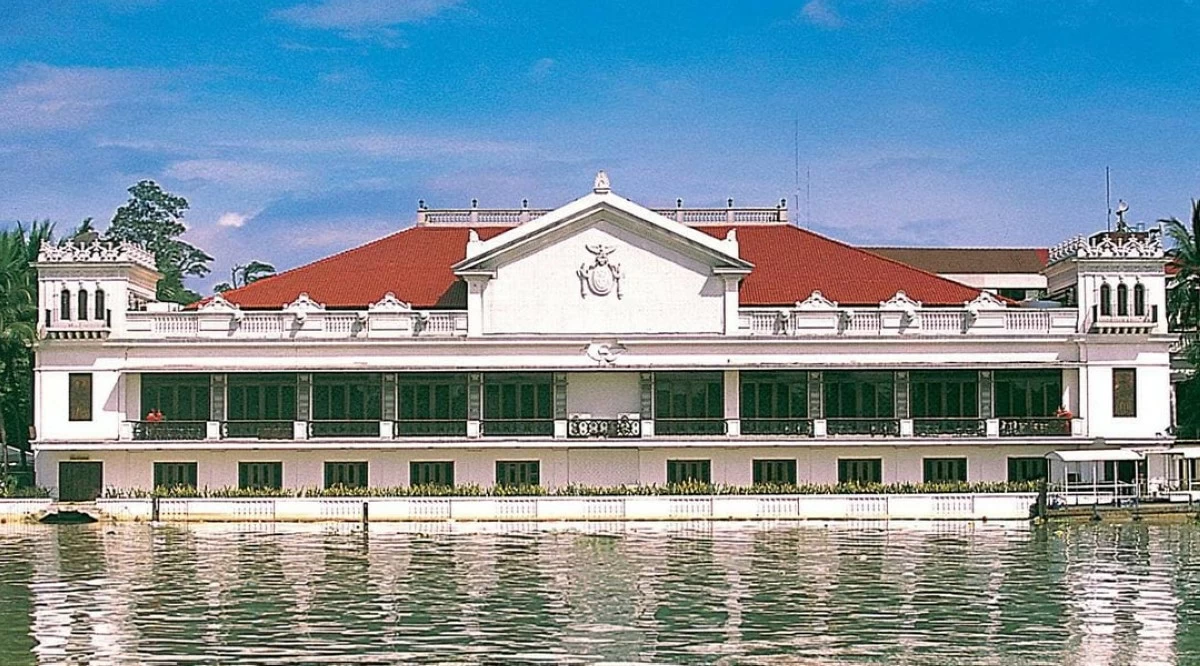
Malacañang Palace
Profoundly , the Rocha family’s summer house in Manila’s San Miguel district along the Pasig River , though not originally historically significant to its owners, became the most important house in the country after its transfer in the 1860s. It became the residence of the Spanish Gobernador Heneral, American’ Governor General and High Commissioner and today, it is known as Malacañang Palace, the official residence of the President of the Republic of the Philippines. —a home whose role in governance and national life continues to evolve with each administration.
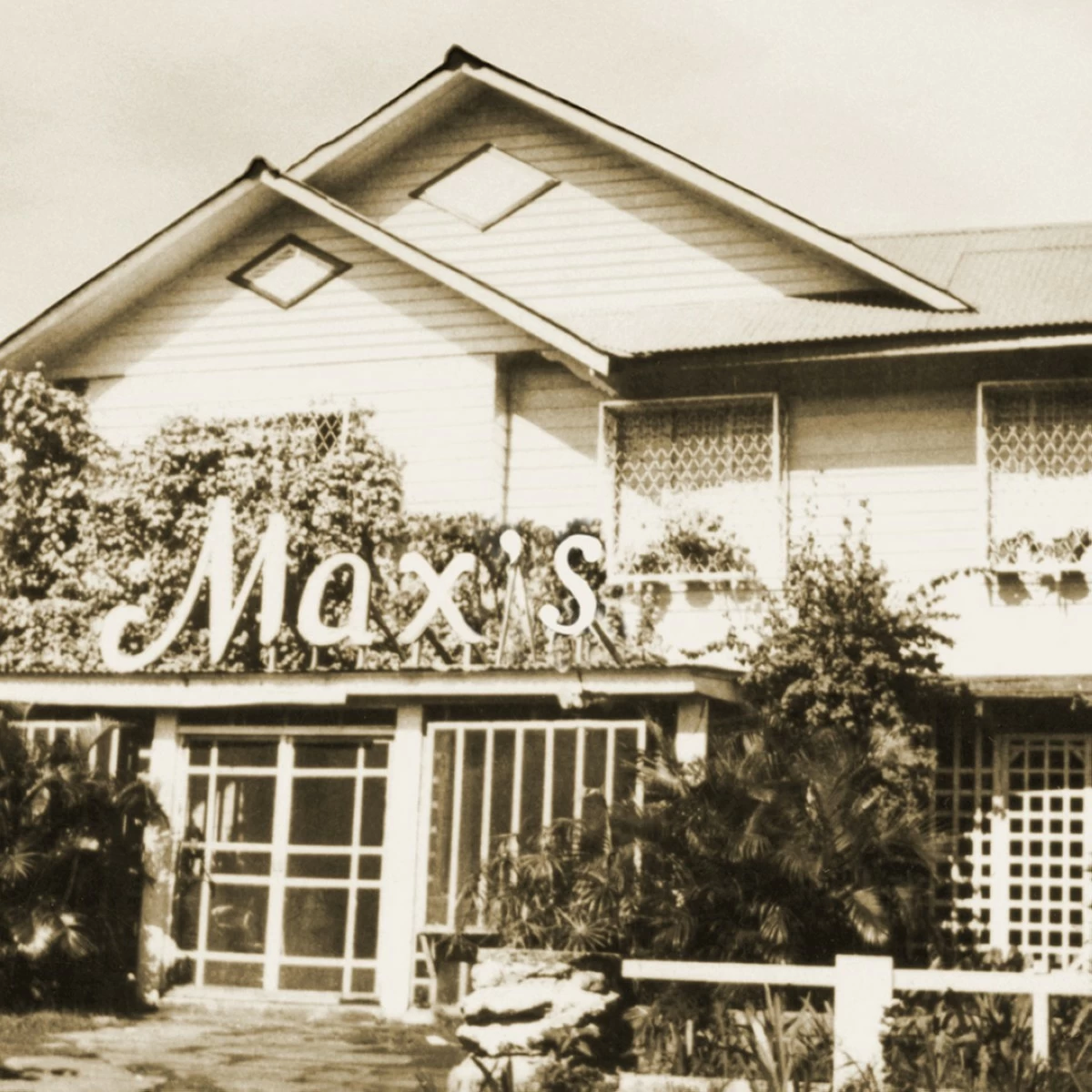
Max’s Scout Tuazon branch is the original home of Max’s Restaurant. (Photo from Max's Restaurant on Facebook)
Ultimately, houses remain the primal and enduring expression of architecture: they provide shelter from the elements and protection from the wild, but more profoundly, they unify and safeguard the family. In the Filipino context, they also carry the weight of memory, identity, and heritage. These historic homes, each a space of remembrance, remind us that architecture is not merely about building—it is about honoring the legacies that shape who we are as a nation.
(Joel Vivero Rico, FPIA, UAP is an award-winning conservation architect, author, historian, heritage consultant, archaeologist, and history professor at De La Salle-College of Saint Benilde (DLS-CSB) Design and Arts since 2011. He was recently named the PRC Outstanding Professional Architect for 2025.)