







DOE to target more wind capacity in next energy auction
Published Jan 28, 2026 01:51 pm


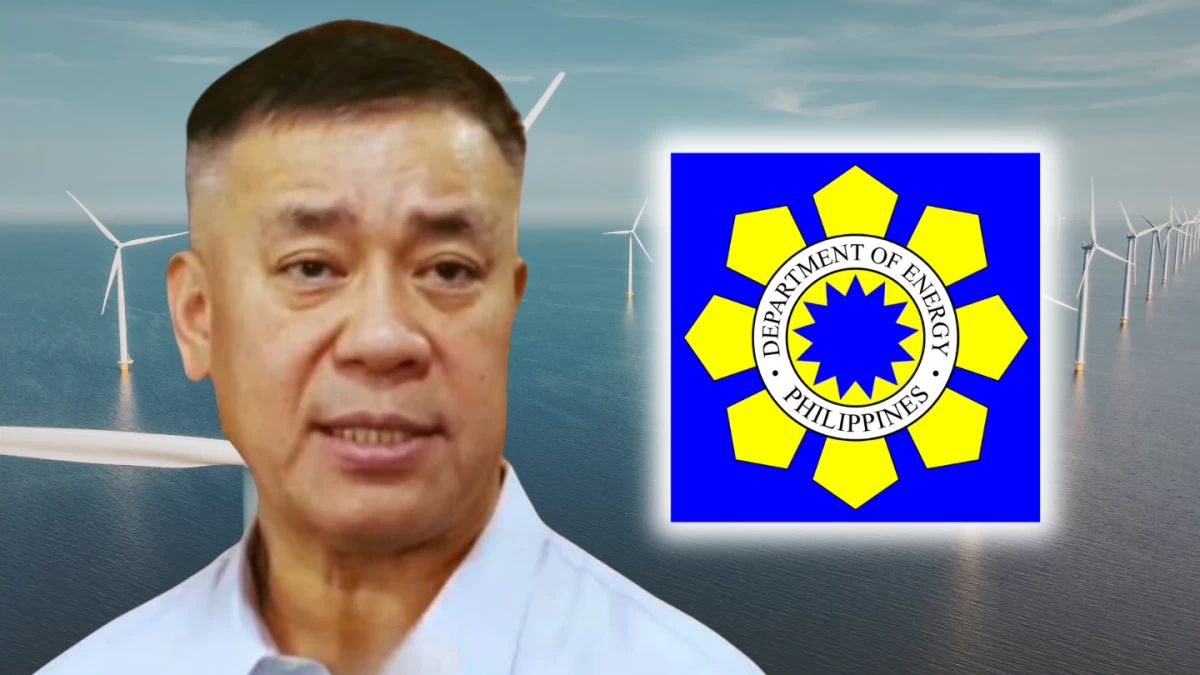
Energy Undersecretary Giovanni Bacordo
The Department of Energy (DOE) is preparing to launch a subsequent round of green energy bidding to accommodate massive pipeline of offshore wind projects, as the government races to modernize port infrastructure and the national power grid to handle the transition.
Energy Undersecretary Giovanni Bacordo said in an interview that while the department has already issued 92 service contracts with a combined potential capacity of approximately 68 gigawatts, the upcoming fifth round of the Green Energy Auction (GEA-5) will be capped at 3.3 gigawatts.
Bacordo said the limitation is the direct result of current bottlenecks in port readiness and the national transmission system’s capacity to absorb such heavy influx of intermittent power.
“That’s why we need to have a succeeding GEA for offshore wind,” Bacordo told reporters.
The DOE official identified the Port of Mercedes in Camarines Norte, also known as the Port of Pambujan, as primary hub for early-stage developments.
Construction for the facility is expected to conclude by the first quarter of 2027, providing a base for developers who have committed to delivering power to the grid between 2028 and 2030.
The project, which requires an estimated investment of ₱4.8 billion, currently supports 11 offshore wind energy service contracts.
Among the private sector players, Copenhagen Infrastructure Partners (CIP) has emerged as a frontrunner. The Danish investment firm’s wind development arm has signaled its readiness to proceed with a 1,000-megawatt project in San Miguel Bay, maintaining that its construction timeline remains intact despite the broader logistical challenges facing the sector.
However, the timeline for other strategic locations remains fluid. The development of the Sta. Clara port in Batangas is currently pending the results of physical feasibility studies and the finalization of a public-private partnership framework.
More delays are expected for the Currimao Port in Ilocos Norte. Bacordo noted that the Currimao facility is unlikely to be completed within the current administration’s term or by the 2028 target.
The project faces hurdles due to the high capital costs associated with floating offshore wind technology, and the Philippine Ports Authority has indicated it currently lacks the necessary funding to move forward with the site.
This infrastructure gap underscores the DOE’s strategy of phased auctions, ensuring that generation capacity does not outpace the country’s physical ability to land and transmit the energy produced at sea.