







BIR chief bans tax audits in restaurants, coffee shops
By Jun Ramirez
Published Jan 28, 2026 10:51 am


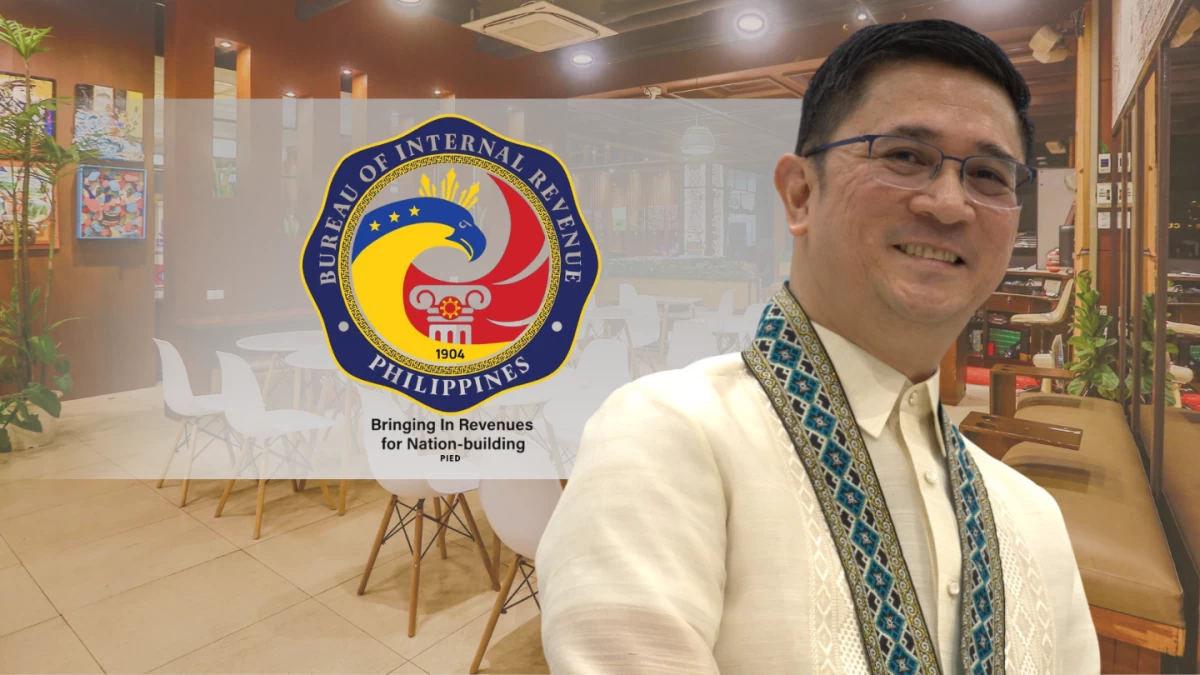
BIR Commissioner Charlito Martin R. Mendoza
The Bureau of Internal Revenue (BIR) has prohibited tax examiners and taxpayers from conducting audits and assessments of accounting records in restaurants, coffee shops, and other public venues.
In Revenue Memorandum Order 1-2026, BIR Commissioner Charlito Martin R. Mendoza mandated that the examination of books of accounts and financial records must be performed exclusively at official offices or the taxpayer’s registered place of business.
The directive aims to eliminate the informal practice of meeting in eateries and cafes, which some revenue officials noted had become a common occurrence due to the perceived convenience and relaxed atmosphere of such settings.
Mendoza said that while these informal venues may have been used in the past to facilitate discussions, they are no longer permissible under the updated guidelines.
The move is seen as part of a broader effort to standardize audit procedures and ensure that all official business is conducted in a controlled, professional environment.
Recognizing the logistical challenges posed by large-scale audits, the commissioner provided a degree of flexibility for cases involving voluminous records. In instances where transporting physical documents to a BIR office would be impractical or excessively burdensome for the taxpayer, revenue officials have been directed to give the taxpayer the option to choose the audit venue, provided it remains within the taxpayer’s business premises.
The circular further streamlined the audit process by addressing the proliferation of administrative paperwork.
Taxpayers who have been issued multiple Letters of Authority, including electronic versions, are now permitted to request the consolidation of these documents into a single LOA. This change aligns with the bureau’s standing policy of issuing only one LOA per taxpayer per year, reducing the administrative weight on both the government and the private sector.
Beyond venue restrictions, the new regulations authorize the issuance of mission orders and Tax Verification Notices to enhance enforcement. In a significant structural shift, Mendoza also ordered the abolition of special task forces.
The functions previously handled by these specialized units have been returned to the BIR regional and district offices, a move intended to decentralize operations and empower local tax jurisdictions.