






Manila Bulletin
 Property and Living
A new hub in Pasay rises to showcase the best of Filipino design and exports
Property and Living
A new hub in Pasay rises to showcase the best of Filipino design and exports
Property and Living
A new hub in Pasay rises to showcase the best of Filipino design and exports
A new hub in Pasay rises to showcase the best of Filipino design and exports
Built on the legacy of the PhilTrade Center, the Likhang Filipino Exhibition Halls aim to strengthen and promote Philippine exports through design and curation
Published Jan 28, 2026 02:32 am


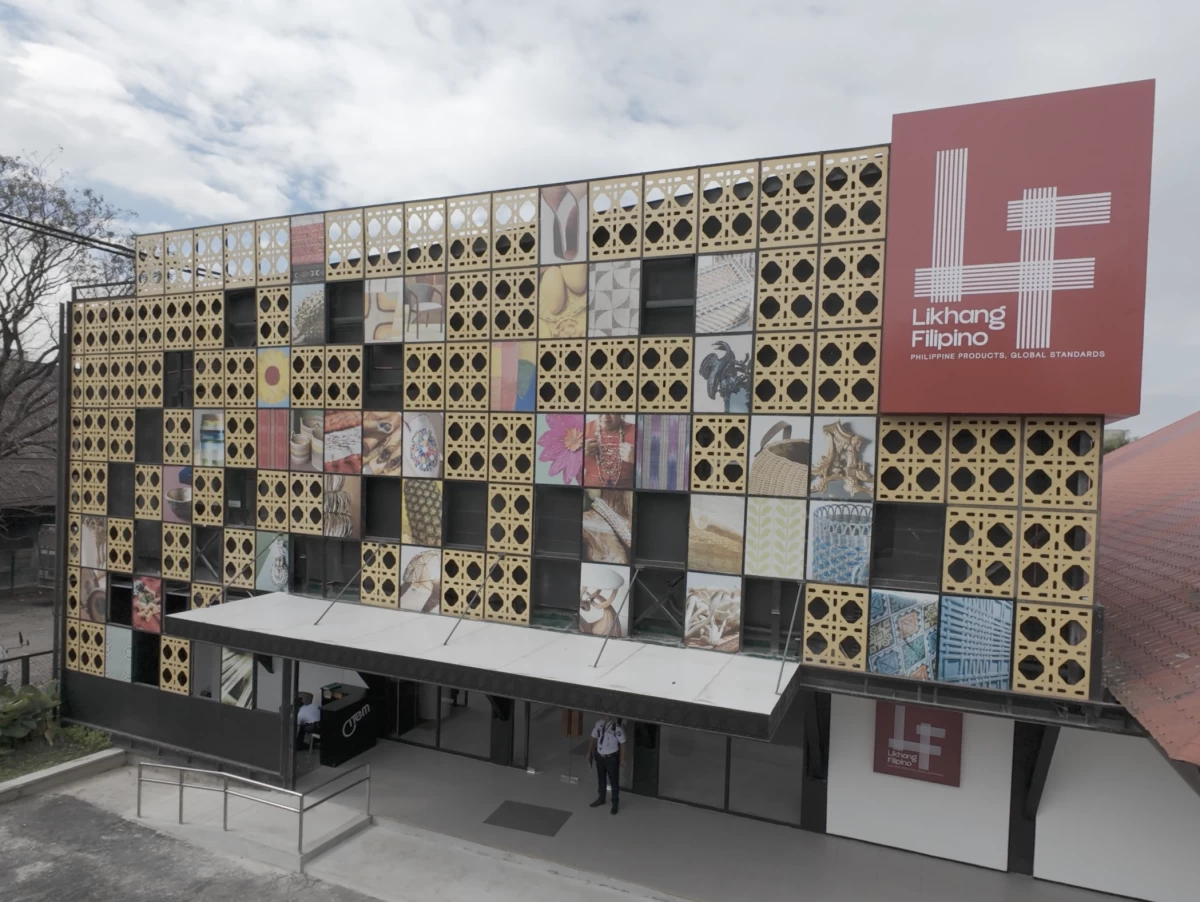
Likhang Filipino Exhibition Halls, built on the former site of the PhilTrade Center along Roxas Boulevard in Pasay City.
There’s really something to be proud of in seeing Filipino-made materials and designs take center stage. Ideas rooted in local culture, crafted by our own countrymen, and built to meet global standards. This spirit set the tone for the launch of the Likhang Filipino Exhibition Halls, an initiative that supports local industries through accessible commercial spaces and promotes Filipino products to a wider audience.
Led by the Office of the President through the Center for International Trade Expositions and Missions (CITEM), the launch sets up a multi-use exhibition and incubation space featuring Philippine products across six galleries: special exhibits and a design library; traditional arts and crafts; fashion, textiles, and accessories; furniture and lighting; home décor, gifts, and holiday decor; and food, health, and wellness.
Built on the former site of the PhilTrade Center along Roxas Boulevard in Pasay City, the Likhang Filipino Exhibition Halls continue the role of a site first developed in 1979 to promote Philippine exports. The original complex featured prefabricated, pavilion-style structures with sloping roofs inspired by the bahay kubo, reflecting a practical design approach rooted in local culture and aligned with the country’s expanding export industry.
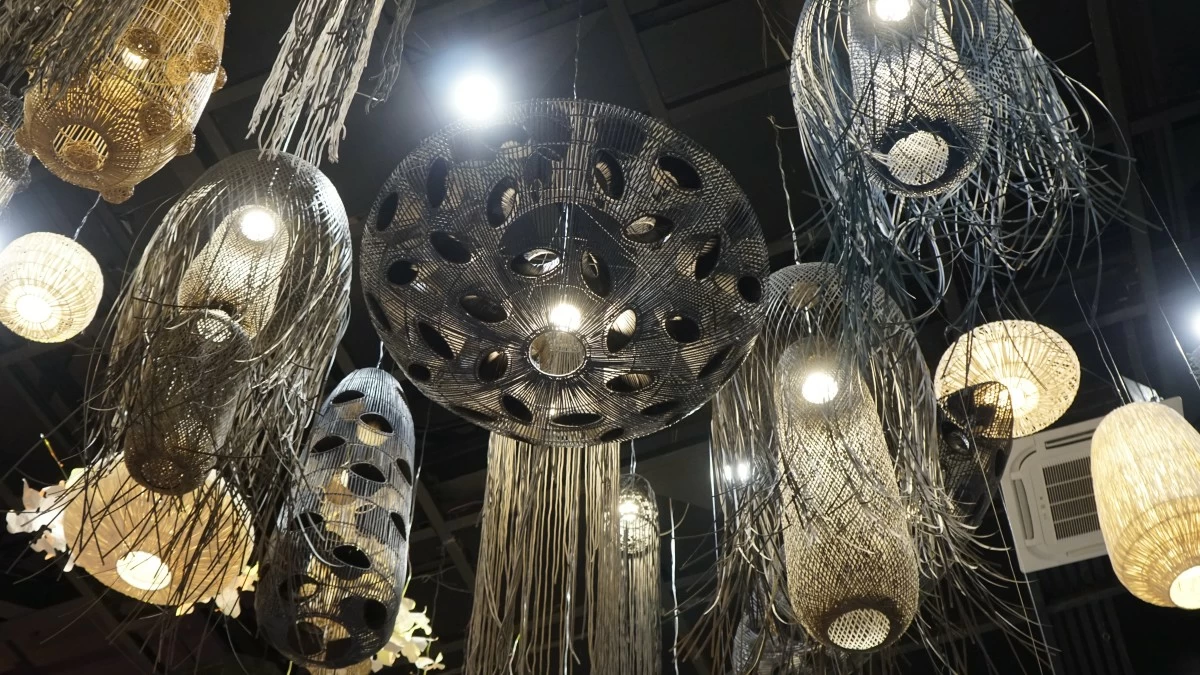
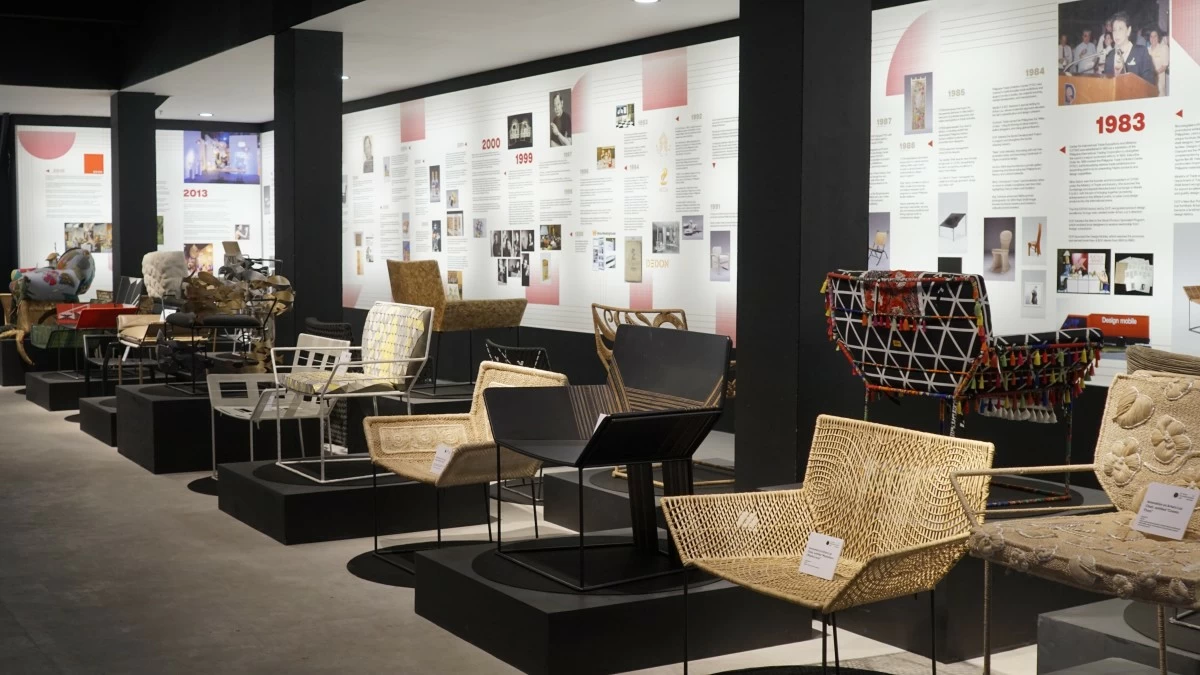
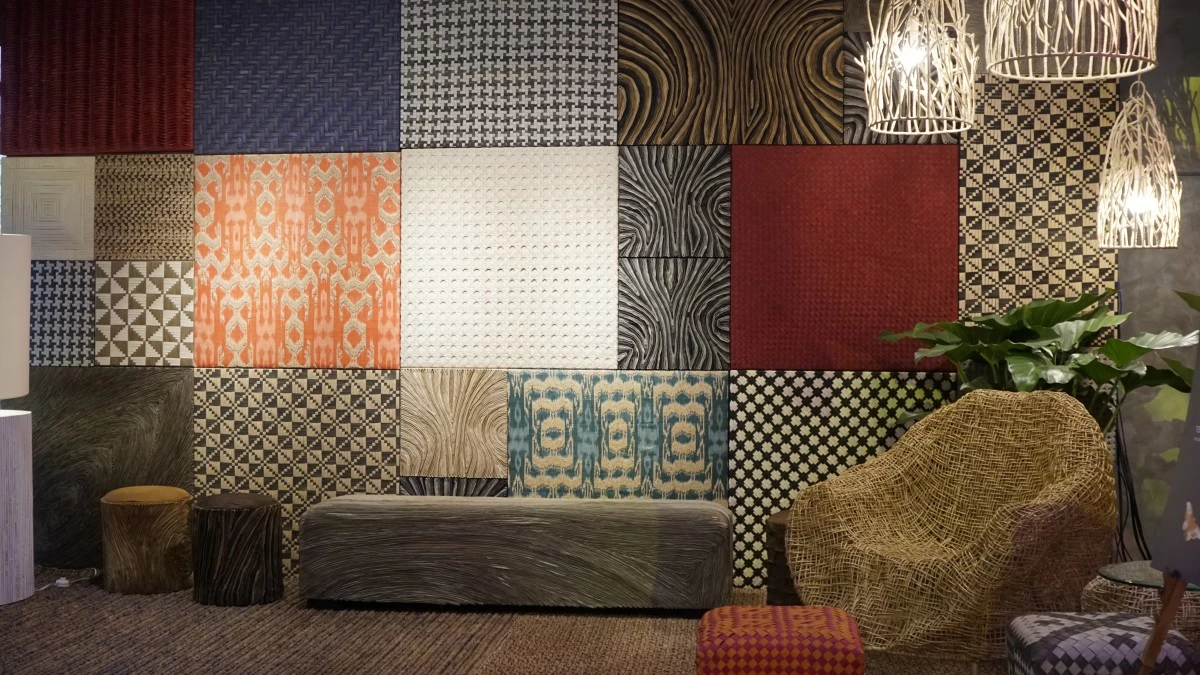
Gallery 1, or the Black Box gallery, designed by Tony Gonzales, houses the Special Exhibits and Design Library.
CITEM Executive Director Leah Pulido Ocampo shared how the revival of the historic site reflects the agency’s renewed mission to elevate Philippine exports, saying, “We are honored to take on the responsibility of managing the rebirth of this historic compound’s glorious purpose. The opening of the Likhang Filipino Exhibition Halls is the fulfillment of the hard work that our agency has put in for months, guided by the mandate set for us by the President. It also marks the new phase in our commitment to strengthen and promote the country’s export industry, as we once again present to the world the best of what the Philippines has to offer, all in one place.”
Many minds, one design language
For its opening, CITEM worked with designers Tony Gonzales, Ito Kish, and Al Caronan, along with the Design Center of the Philippines, to curate the 8,000-square-meter facility and present Filipino products through an international design perspective.Tony Gonzales led the design of the Black Box gallery, shaping it as an immersive and experimental space for new ideas. It houses the Special Exhibits and Design Library, which trace 50 years of Philippine design from the 1970s onward and feature work by Filipino creatives across different fields. The first exhibition includes creative pieces such as art chairs inspired by DCP Founding Director Arturo Luz’s New Buri. In Gallery 1, Gonzales used handwoven textiles like tinalak, handmade paper panels by Wataru Sakuma, and lighting made from natural materials to complement the gallery’s high ceiling, while softer pendant lights and textured accent walls below create a more intimate setting for viewing and discussion.
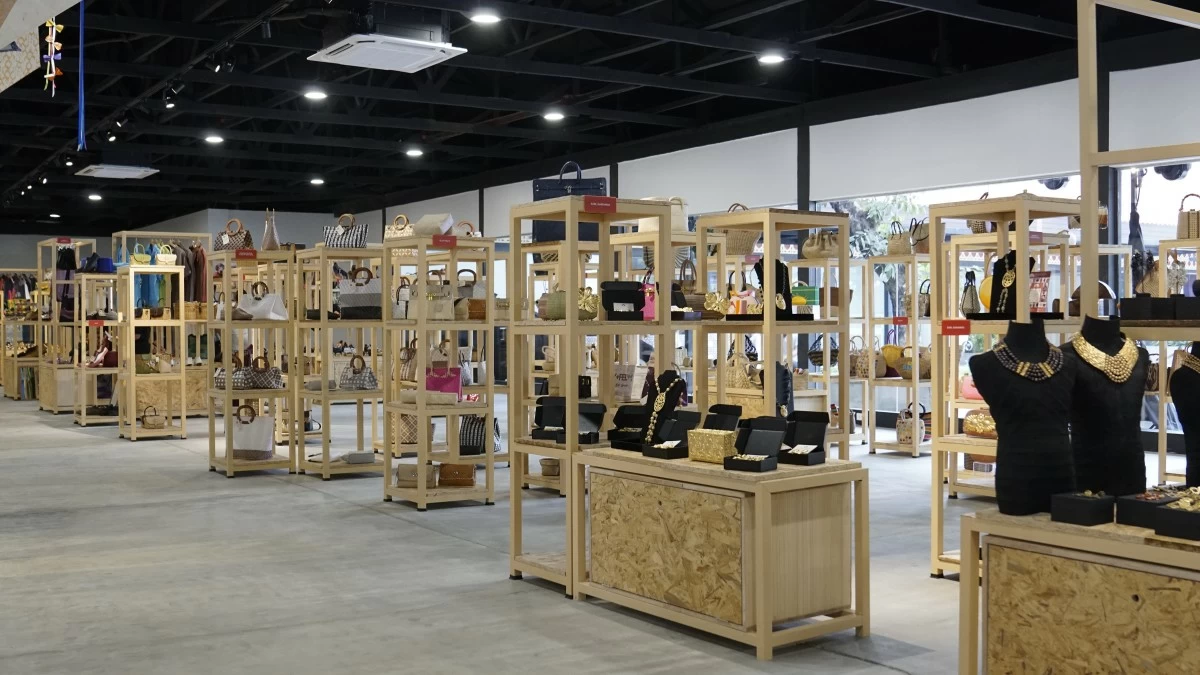
Gallery 3, overseen by the Design Center of the Philippines, features fashion, textiles, and accessories highlighted by saranggola-inspired installations made with Batangas-based kite makers.
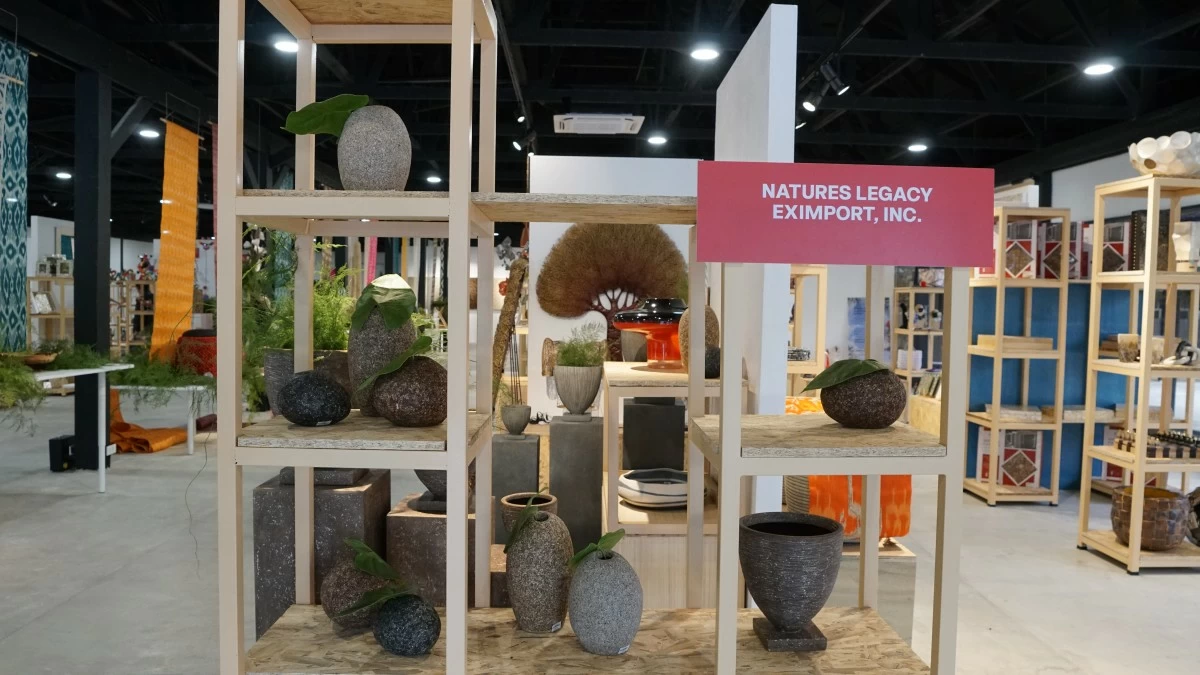
Moving to Galleries 4 and 5, Ito Kish applied an editorial, lifestyle-driven approach to the presentation of products. Gallery 4, dedicated to furniture and lighting, draws from resort living and contemporary Asian design to highlight craftsmanship while underscoring commercial appeal. In Gallery 5, which features home décor, gifts, and holiday pieces, Kish maintains this balance by presenting award-winning works from local brands such as OBRA and Nature’s Legacy in settings that emphasize material quality, form, and design intent.
Gallery 6 is shaped by Al Caronan, whose background in product design, materials, and export informs the Food, Health, and Wellness hall. Warm pendant lighting highlights jarred and packaged food alongside displays of fresh local produce, creating an environment that feels both full and approachable. The layout accommodates a wide range of offerings—from chocolates, coffee, and condiments to wellness items such as essential oils, candles, and spa accessories—presented through a contemporary take on the Filipino tablescape that encourages close viewing and engagement.
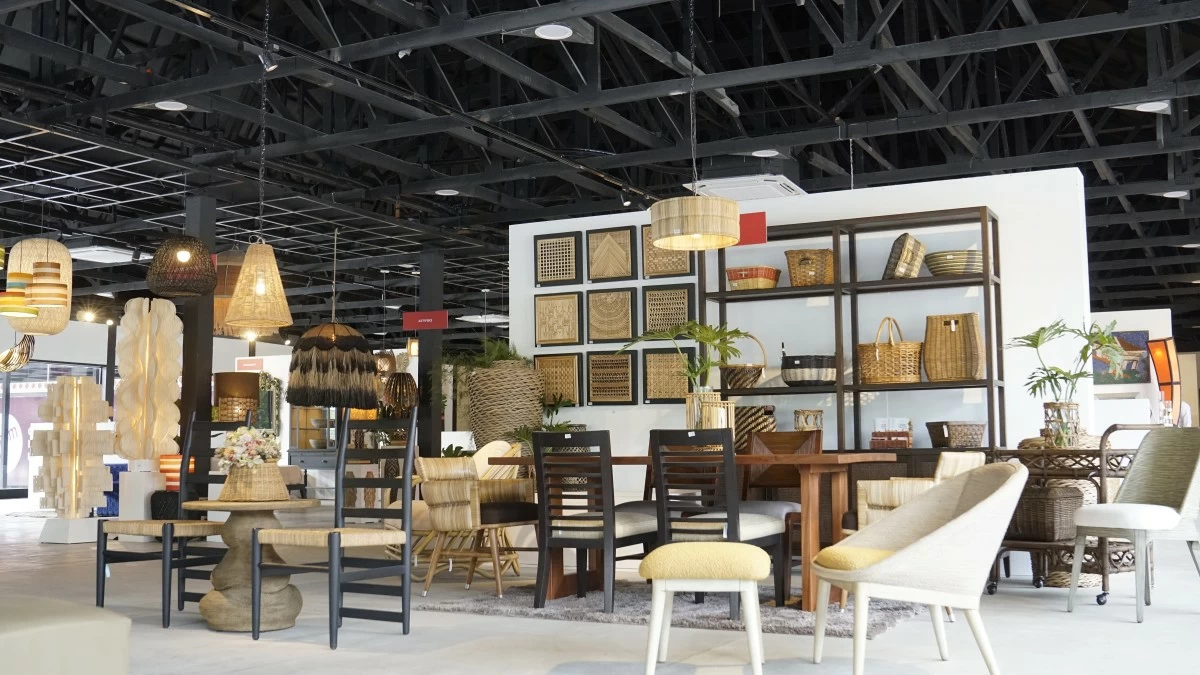
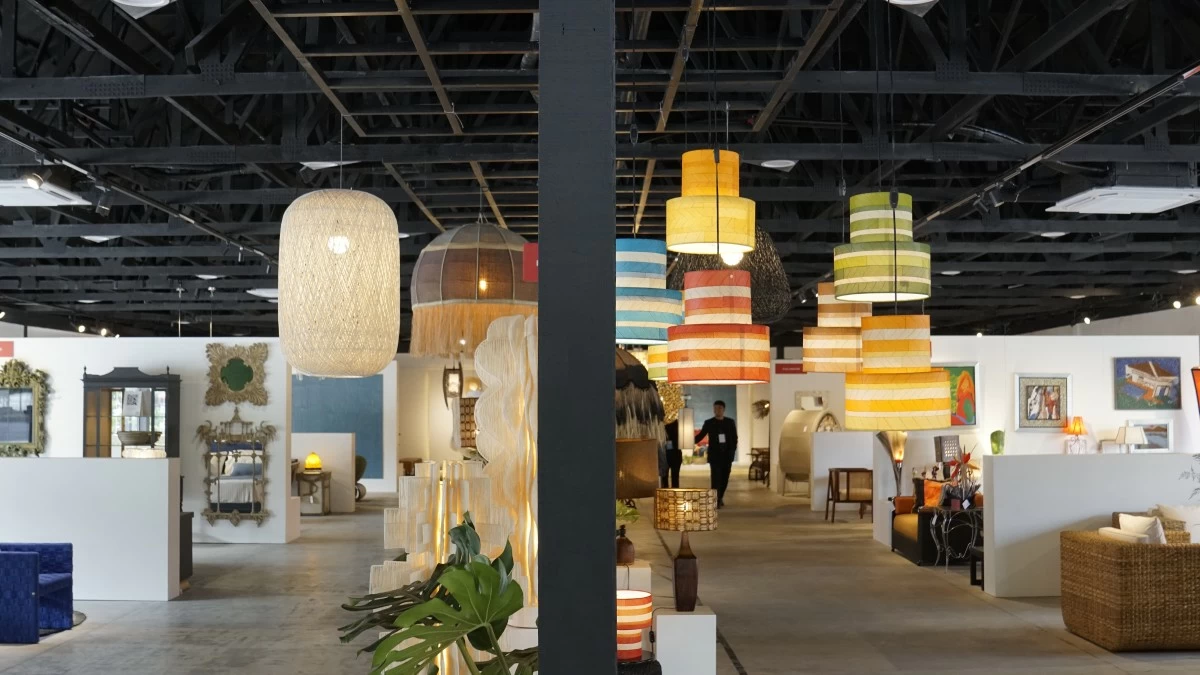
Galleries 4 and 5, designed by Ito Kish, present furniture, lighting, and home décor through an editorial approach that balances craftsmanship with commercial appeal.
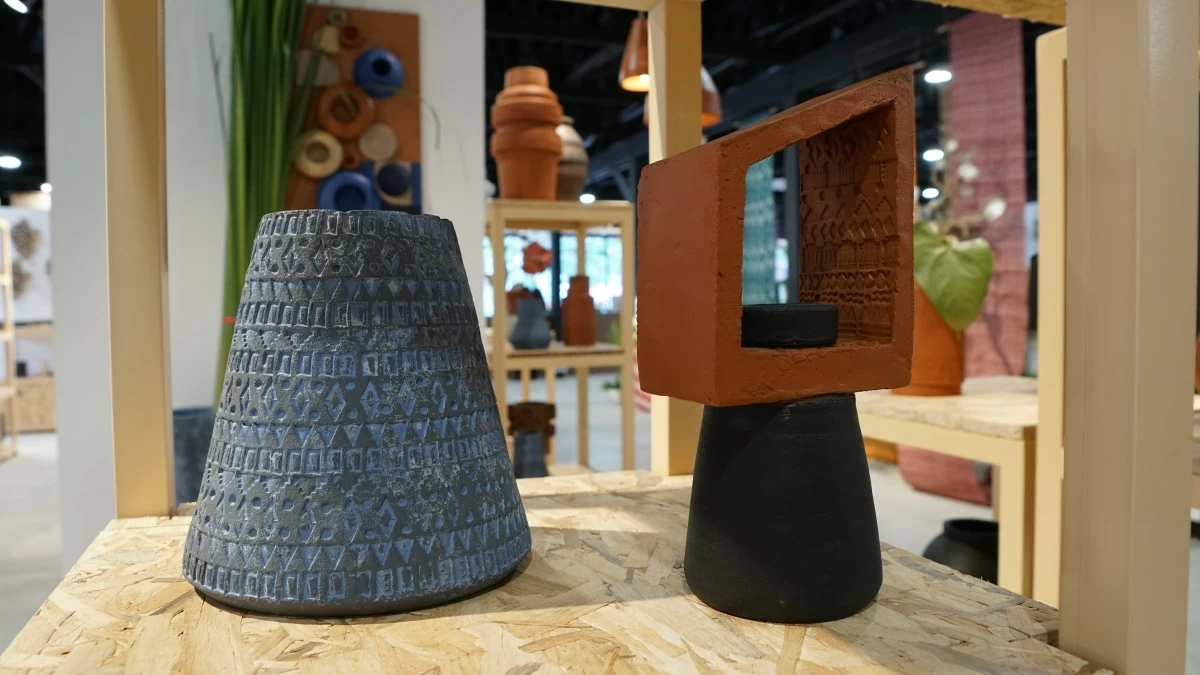
Completing the sequence, the Design Center of the Philippines oversaw the layout and design of Gallery 3, guided by its mandate to promote Filipino design across industries. Dedicated to fashion, textiles, and accessories, the gallery honors brands that supported Likhang Filipino’s role during the ASEAN Summit while reflecting cultural heritage through a unifying saranggola motif. Working with Batangas-based kite makers Saranggolistang Pilipino Dimaculangan Team and Papagayong Batangueño, and using handmade paper developed through its Pinyapel Initiative in partnership with TADECO Home, the center created kite installations that serve as display elements for a curated selection of fashion, footwear, bags, accessories, and jewelry, emphasizing craftsmanship and contemporary form.
Together, the Likhang Filipino Exhibition Halls form a dedicated platform where Filipino creativity, craftsmanship, and industry converge. By bringing heritage, design, and innovation under one roof, the facility strengthens the visibility of Filipino-made products and supports their continued growth and competitiveness in the global market.