ADVERTISEMENT

Smartwatch alerts: What our devices say about us

Published Jan 27, 2026 08:35 am
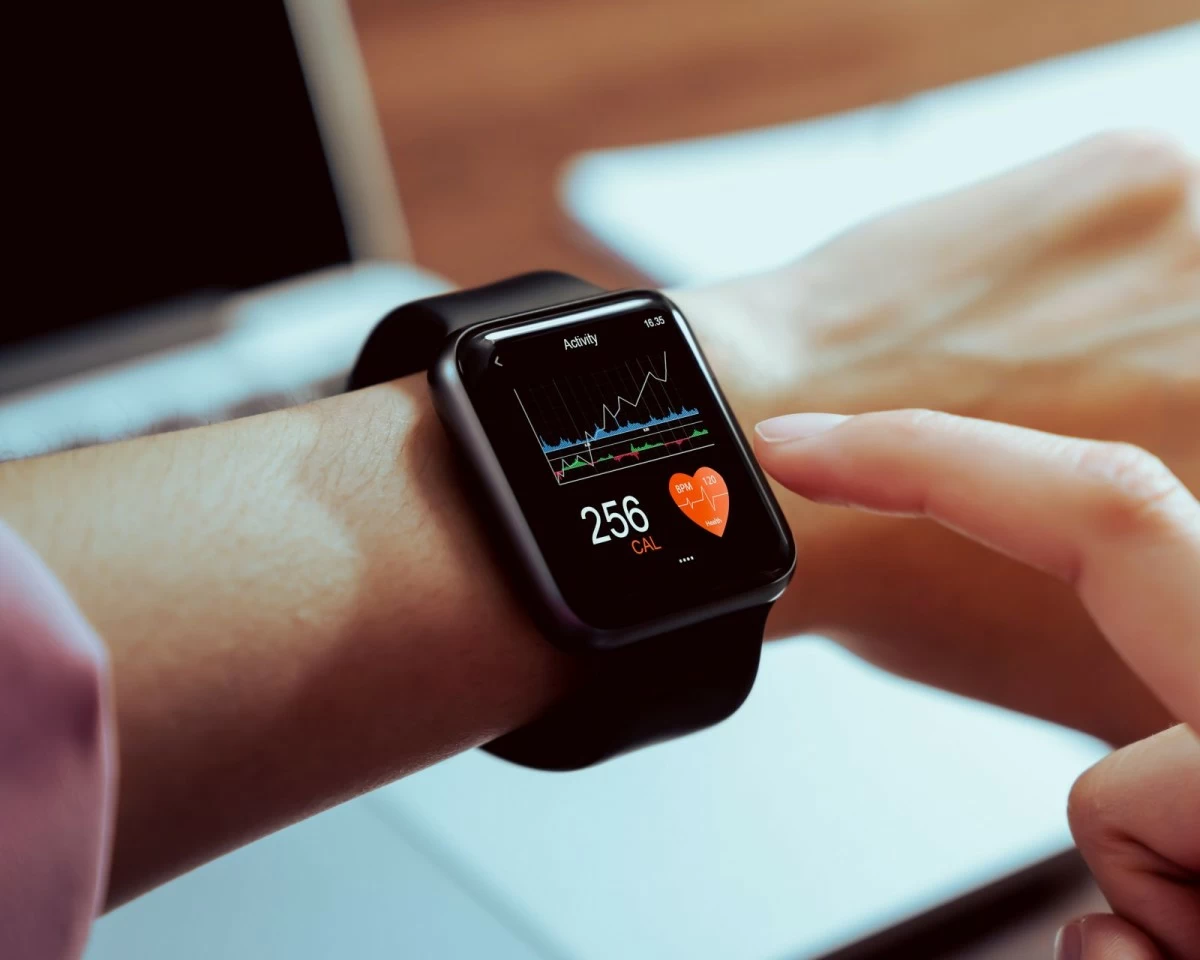
A friend once joked that her smartwatch now knows her moods better than she does. It nudges her to stand, praises her for meeting daily step goals, and even reminds her to breathe — as if the body needed prompts for what it already knows how to do.
Across the Philippines, more people wear devices that quietly monitor them: smartwatches, fitness rings, calorie-tracking apps, meditation reminders. These technologies promise health and self-awareness, yet they also encourage a constant gaze inward — not for reflection, but for measurement. We check sleep scores, stress levels, and daily movement as if wellness were something to audit.
Where we once trusted ‘pakiramdam’ (feeling), we now consult our smartphone apps.
This habit of self-tracking may feel new and contemporary, but it echoes older histories. The Filipino body did not suddenly become something to monitor; it has long been watched, shaped, and disciplined.
From Colonial discipline to modern alerts
Spanish friars emphasized bodily modesty, discipline, and restraint, linking the control of the body to moral virtue and religious order. Posture, comportment, and even gestures were sites of instruction, as the colonial church sought to shape not only belief but bodily conduct. When the Americans arrived, this attention to the body was reorganized through the language of science and modernity. Public schools introduced calisthenics, organized sports, and hygiene programs, believing that strong, clean, orderly bodies would produce disciplined, productive citizens. Children were lined up, inspected, weighed, and measured. Physical education, public health campaigns, and medical examinations were not only about preventing illness; they were about training populations. Even the weighing scale and the health chart became instruments of governance.
To be measured was to be evaluated. To be evaluated was to be managed. Today’s wearables may seem far from colonial gymnasiums, yet the underlying logic remains familiar: the ideal body is efficient, productive, constantly improving. The command no longer comes from a teacher with a whistle, but from a discreet vibration on the wrist.
The colonial gaze has not disappeared; in fact, and in many ways, we have internalized it.
Surviving can't be measured
These devices also arrived in a country already stretched thin. Filipinos are among the world’s most active internet users, but also among the most overworked. We commute long distances, juggle multiple jobs, and navigate financial precarity while caring for families. Our bodies move out of necessity, not leisure — walking because transport is unreliable, carrying groceries up footbridges, standing in queues, climbing stairs in offices without working elevators.
Wearable tech, however, is often borne of and imagines a different world — one where time is flexible, rest is available, and movement is a choice. It expects that we can always “take a break,” always “sleep eight hours,” always “get steps in,” as if our daily routines were not shaped by traffic, caregiving, shift work, or cramped spaces.
A sleep score cannot capture the parent tending to a sick child. A posture alert cannot change a crowded jeepney ride home.
Metrics tell a story — but not always our story.
None of this is to dismiss what technology can offer. During lockdowns, many people found exercise routines online when gyms were closed. Wearables have helped users detect medical issues early. Digital access matters, especially in a country where healthcare is uneven and time for self-care is scarce.
Yet we must still ask: when does guidance become self-surveillance? When does care turn into quiet pressure to perform a certain version of “health”?
Self-tracking carries an assumption: that wellness is first and foremost an individual task. But health is shaped not only by willpower or routine, but by the social and material conditions in which bodies live. A person who cannot afford rest cannot be scolded by an app for being tired. A worker who stands all day at a service job does not need a reminder to move.
Listen to your body
To track is not always to understand. Anthropology reminds us that bodies carry history. The Filipino body has survived colonization, migration, pandemics, and the demands of global labor. It has been shaped by discipline, devotion, and endurance. In this context, wearable technology fits neatly into a long tradition of encouraging the body to monitor itself — to correct, to optimize, to keep going.
But wellness is not only a matter of streaks, steps, and scores. It is also rest taken without justification, movement done for joy, quiet moments without performance. It is remembering that the body is not simply a project, but a home.
Technology can guide us, but it should not replace our own knowing. We can welcome data while still honoring what cannot be graphed: exhaustion, tenderness, resilience, hope.
Because even in an age of constant monitoring, the body remains more than a metric. It is a witness to everything we carry — and it deserves not only accuracy, but care.
ADVERTISEMENT
.most-popular .layout-ratio{ padding-bottom: 79.13%; } @media (min-width: 768px) and (max-width: 1024px) { .widget-title { font-size: 15px !important; } }

{{ articles_filter_1561_widget.title }}

.most-popular .layout-ratio{ padding-bottom: 79.13%; } @media (min-width: 768px) and (max-width: 1024px) { .widget-title { font-size: 15px !important; } }

{{ articles_filter_1562_widget.title }}

.most-popular .layout-ratio{ padding-bottom: 79.13%; } @media (min-width: 768px) and (max-width: 1024px) { .widget-title { font-size: 15px !important; } }

{{ articles_filter_1563_widget.title }}

{{ articles_filter_1564_widget.title }}

.mb-article-details { position: relative; } .mb-article-details .article-body-preview, .mb-article-details .article-body-summary{ font-size: 17px; line-height: 30px; font-family: "Libre Caslon Text", serif; color: #000; } .mb-article-details .article-body-preview iframe , .mb-article-details .article-body-summary iframe{ width: 100%; margin: auto; } .read-more-background { background: linear-gradient(180deg, color(display-p3 1.000 1.000 1.000 / 0) 13.75%, color(display-p3 1.000 1.000 1.000 / 0.8) 30.79%, color(display-p3 1.000 1.000 1.000) 72.5%); position: absolute; height: 200px; width: 100%; bottom: 0; display: flex; justify-content: center; align-items: center; padding: 0; } .read-more-background a{ color: #000; } .read-more-btn { padding: 17px 45px; font-family: Inter; font-weight: 700; font-size: 18px; line-height: 16px; text-align: center; vertical-align: middle; border: 1px solid black; background-color: white; } .hidden { display: none; }
function initializeAllSwipers() { // Get all hidden inputs with cms_article_id document.querySelectorAll('[id^="cms_article_id_"]').forEach(function (input) { const cmsArticleId = input.value; const articleSelector = '#article-' + cmsArticleId + ' .body_images'; const swiperElement = document.querySelector(articleSelector); if (swiperElement && !swiperElement.classList.contains('swiper-initialized')) { new Swiper(articleSelector, { loop: true, pagination: false, navigation: { nextEl: '#article-' + cmsArticleId + ' .swiper-button-next', prevEl: '#article-' + cmsArticleId + ' .swiper-button-prev', }, }); } }); } setTimeout(initializeAllSwipers, 3000); const intersectionObserver = new IntersectionObserver( (entries) => { entries.forEach((entry) => { if (entry.isIntersecting) { const newUrl = entry.target.getAttribute("data-url"); if (newUrl) { history.pushState(null, null, newUrl); let article = entry.target; // Extract metadata const author = article.querySelector('.author-section').textContent.replace('By', '').trim(); const section = article.querySelector('.section-info ').textContent.replace(' ', ' '); const title = article.querySelector('.article-title h1').textContent; // Parse URL for Chartbeat path format const parsedUrl = new URL(newUrl, window.location.origin); const cleanUrl = parsedUrl.host + parsedUrl.pathname; // Update Chartbeat configuration if (typeof window._sf_async_config !== 'undefined') { window._sf_async_config.path = cleanUrl; window._sf_async_config.sections = section; window._sf_async_config.authors = author; } // Track virtual page view with Chartbeat if (typeof pSUPERFLY !== 'undefined' && typeof pSUPERFLY.virtualPage === 'function') { try { pSUPERFLY.virtualPage({ path: cleanUrl, title: title, sections: section, authors: author }); } catch (error) { console.error('ping error', error); } } // Optional: Update document title if (title && title !== document.title) { document.title = title; } } } }); }, { threshold: 0.1 } ); function showArticleBody(button) { const article = button.closest("article"); const summary = article.querySelector(".article-body-summary"); const body = article.querySelector(".article-body-preview"); const readMoreSection = article.querySelector(".read-more-background"); // Hide summary and read-more section summary.style.display = "none"; readMoreSection.style.display = "none"; // Show the full article body body.classList.remove("hidden"); } document.addEventListener("DOMContentLoaded", () => { let loadCount = 0; // Track how many times articles are loaded const offset = [1, 2, 3, 4, 5, 6, 7, 8, 9, 10]; // Offset values const currentUrl = window.location.pathname.substring(1); let isLoading = false; // Prevent multiple calls if (!currentUrl) { console.log("Current URL is invalid."); return; } const sentinel = document.getElementById("load-more-sentinel"); if (!sentinel) { console.log("Sentinel element not found."); return; } function isSentinelVisible() { const rect = sentinel.getBoundingClientRect(); return ( rect.top < window.innerHeight && rect.bottom >= 0 ); } function onScroll() { if (isLoading) return; if (isSentinelVisible()) { if (loadCount >= offset.length) { console.log("Maximum load attempts reached."); window.removeEventListener("scroll", onScroll); return; } isLoading = true; const currentOffset = offset[loadCount]; window.loadMoreItems().then(() => { let article = document.querySelector('#widget_1690 > div:nth-last-of-type(2) article'); intersectionObserver.observe(article) loadCount++; }).catch(error => { console.error("Error loading more items:", error); }).finally(() => { isLoading = false; }); } } window.addEventListener("scroll", onScroll); });

Sign up by email to receive news.