






 Philippines
National
Senators grill FDA over online sale of counterfeit, unregistered health products
Philippines
National
Senators grill FDA over online sale of counterfeit, unregistered health products
Senators grill FDA over online sale of counterfeit, unregistered health products
By Dhel Nazario


At A Glance
- Senators on Tuesday, Jan. 27, expressed concern over the continued sale of counterfeit, unregistered, and unsafe health products online, pressing the Food and Drug Administration (FDA), online platforms, and law enforcement agencies to take stronger action to protect consumers.
Senators on Tuesday, Jan. 27, expressed concern over the continued sale of counterfeit, unregistered, and unsafe health products online, pressing the Food and Drug Administration (FDA), online platforms, and law enforcement agencies to take stronger action to protect consumers.
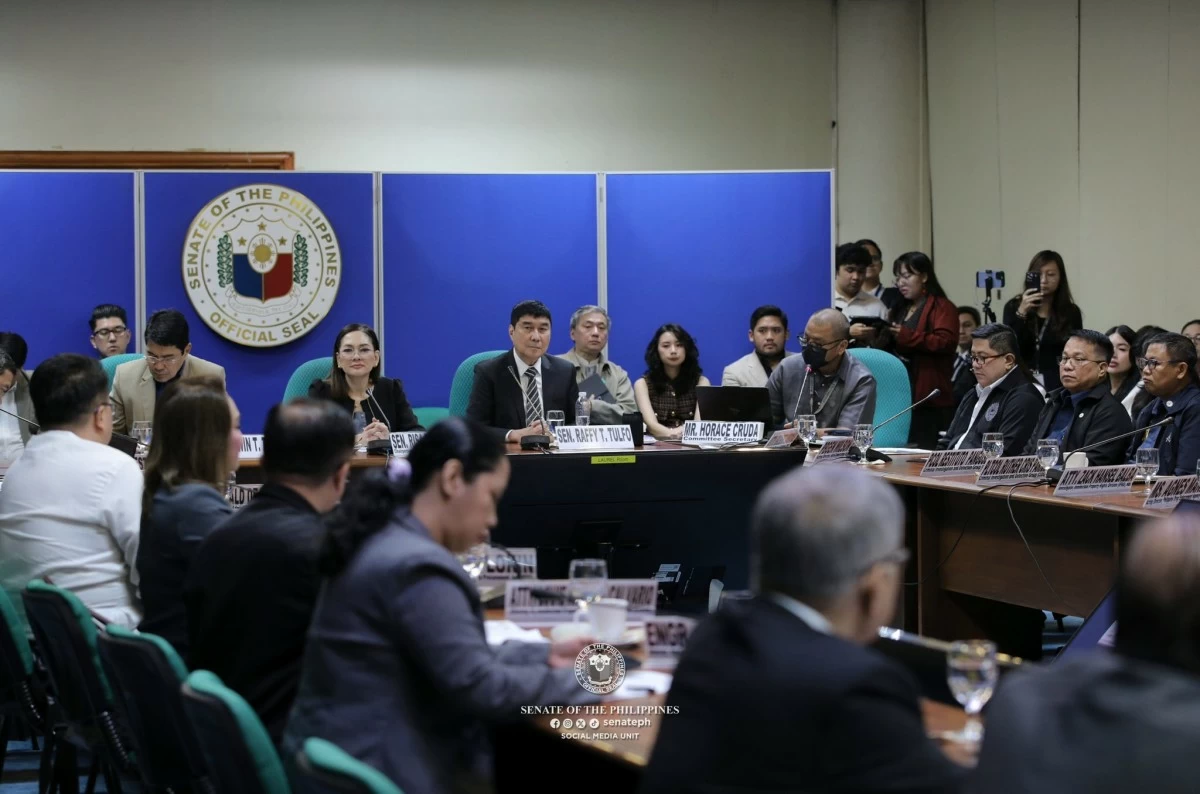
During a Senate hearing by the Committee on Health and Demography, chaired by Senator Risa Hontiveros, it was Senator Raffy Tulfo who described the unchecked online sale of prescription-only medicines and unregistered health products as a serious threat to public health, pointing to what he said were persistent enforcement failures by the FDA.
Tulfo said his office was able to purchase prescription-only medicines from online selling platforms without presenting a prescription, through test-buy operations. He stressed that the sale of these medicines without proper regulation is illegal and promotes self-medication and antibiotic resistance.
“With convenience, one click away din kayo sa panganib (you're also a click away from danger),” Tulfo said, noting that while online shopping offers ease of access, it also exposes consumers to unsafe and illegal products.
He also flagged the proliferation of fake advertisements and AI-manipulated videos on social media promoting health products, some of which falsely show endorsements from public figures. Tulfo said these fabricated endorsements mislead consumers and place lives at risk.
Tulfo further cited the popularity of certain drugs on social media platforms that is FDA-registered in the Philippines, yet many versions being sold online are not. He said consumers are driven to the black market due to the high cost of the registered drug, exposing them to potentially dangerous products.
“If seryoso tayo sa consumer protection, hindi pwedeng lusot ang mga content creators na nagpo-promote ng unregistered products,” Tulfo said.
Recalling his privilege speech during the budget deliberations on December 15, Tulfo reiterated his criticism of what he described as the incompetence and inefficiency of the FDA. He said that as of the hearing date, 970 product listings had been taken down, but only those he personally raised during budget hearings.
He contrasted this with the FDA’s “Oplan Katharos” takedown campaign, which he said appeared to have stalled, noting that updates on the FDA website had not been posted since March 2025.
Tulfo added that despite takedowns online, unsafe and unregistered products remain widely available in physical stores. He said his team visited establishments previously inspected by the FDA and was still able to purchase products with existing FDA advisories.
Tulfo also raised concerns over allegations of fixers and corruption within the FDA, citing reports that product registration can take years, that some licenses are allegedly “guaranteed” through personal connections, and that some content creators were allegedly pressured to pay large sums to avoid public warnings on their products.
FDA Director General Paolo Teston said that the agency does not tolerate any kind of corruption."Ang presumption ko po lahat sila matuwid so kung mayroon po kayong information dito makikipag-ugnayan po yung opisina ko upang matukoy po nating itong mga tao na 'to (My presumption is that all of them are upright. However, if you have information on this, my office will coordinate so we can identify these individuals)," he added.
He further warned about counterfeit medicines, saying his team was able to purchase fake versions of known brands, some priced higher than legitimate pharmacy products. He said such medicines are not only ineffective but may also cause severe allergic reactions, citing reports of fake cancer medicines being sold.
Tulfo also criticized the FDA’s response to product recalls, particularly involving Nestlé NAN products, saying the agency should have conducted tests and issued advisories earlier, especially as parents had begun reporting symptoms.
Meanwhile, Hontiveros said she filed Senate Bill No. 564, or the Counterfeit Pharmaceutical Products Prevention Act, to address the dangers posed by counterfeit and unregulated health products sold online.
She explained that counterfeit products may contain incorrect doses, have no therapeutic effect, or consist of harmful or useless substances. Unregulated products, she said, bypass FDA review and clinical trials, leaving consumers with no assurance of safety or effectiveness.
Hontiveros noted that online selling often blurs the line between registered and fake products, with some sellers misrepresenting contents or legitimacy. She added that her staff had found illegal drugs such as CBD oil, magic mushrooms, and LSD being sold online under misleading labels like “chocolates” and “trading cards.”
She stressed that online sellers can easily change accounts and business models, while consumers remain vulnerable and inadequately protected. Hontiveros also cited reports from dialysis centers that patients are getting younger, with unregulated supplements and medicines among the possible contributing factors.
Senator Erwin Tulfo, meanwhile, urged law enforcement agencies to maximize their intelligence funds to monitor online platforms for illegal drug and medicine sales. He pointed out that agencies such as the Philippine National Police, the Philippine Drug Enforcement Agency, and the National Bureau of Investigation have substantial intelligence budgets for 2026.
Tulfo said surveillance should extend beyond street-level drug operations to online marketplaces and social media platforms, including Shopee, Lazada, TikTok, and Facebook, to prevent the sale of non-FDA-approved products.
“Just do your job,” he said, urging agencies not to wait for new legislation before acting to protect public safety.
The senators called for stronger coordination among regulatory agencies, law enforcement, and online platforms to address what they described as an urgent public health concern.