







NCR produced over 4M metric tons of garbage in 2025 — DENR
By Jel Santos
Published Jan 27, 2026 01:35 pm


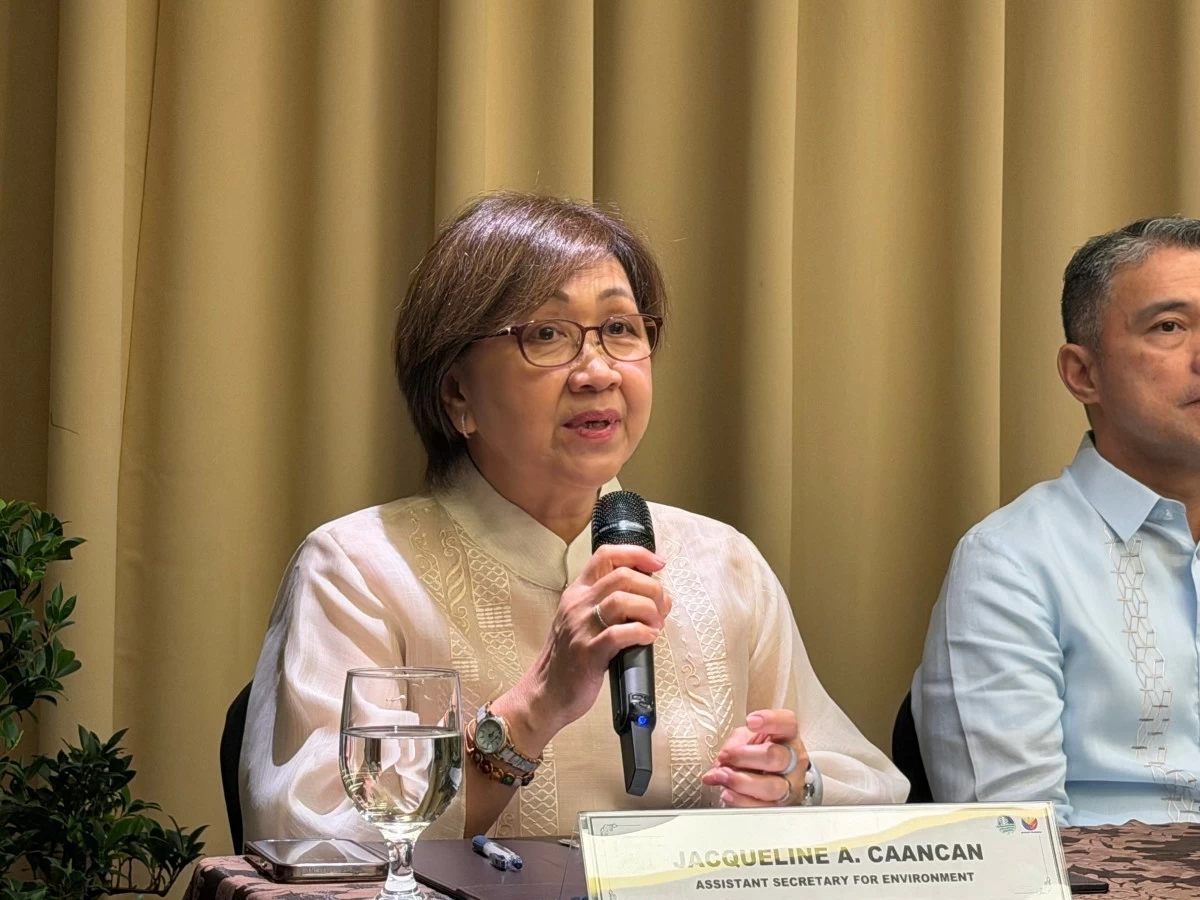
DENR Assistant Secretary and concurrent Environmental Management Bureau Director Jacqueline Caancan (JEL SANTOS/MB PHOTO)
More than four million metric tons of garbage were generated in the National Capital Region (NCR) in 2025, the Department of Environment and Natural Resources (DENR) said Tuesday, Jan. 27.
DENR Assistant Secretary and concurrent Environmental Management Bureau (EMB) Director Jacqueline Caancan said the NCR generates about 9,000 metric tons of waste daily.
“Ang NCR kasi is 9,000 metric tons per day ang waste generation. Around 4,340,000 metric tons last year—2025 [ang na-generate ng NCR na basura] (NCR generates about 9,000 metric tons of waste per day. Last year, in 2025, NCR generated around 4,340,000 metric tons of garbage),” she said during a press conference in Quezon City.
Asked whether strict waste segregation could significantly reduce garbage volumes, Caancan said the impact would be substantial, citing her own household experience.
“Definitely, kasi ginagawa ko sa bahay. Tiningnan ko kasi kung possible when you do segregation sa household mo. I only generate this much—sa isang buwan, isang plastic bag (Definitely, because I do it at home. I wanted to see if it was possible when you practice segregation in your household. I only generate this much—one plastic bag in a month),” the DENR official said.
Caancan added that waste volumes could be reduced even further with proper handling of biodegradable materials.
“Pero pwede pang mas [kaunti], tissue paper can still be biodegradable. Halos wala, kaunti lang talaga (It can still be reduced further. Tissue paper can still be biodegradable. There’s almost nothing left—just very little),” she said.
However, Caancan stressed that household-level segregation must be supported by adequate facilities, particularly Material Recovery Facilities (MRFs), to be effective.
“Kung all, kaya lang kailangan i-compliment kasi ng infrastructure gaya ng Material Recovery Facility. Ikaw sa bahay mo, mag-segregate ka, pero wala kang dadalhan ng recyclables mo, ma-mo-moblema ka (It’s possible for everyone, but it needs to be complemented by infrastructure like Material Recovery Facilities. You can segregate at home, but if you have nowhere to bring your recyclables, you will have a problem),” she said.
Without such facilities, the DENR official warned that households may revert to disposing of mixed waste.
“So ang tendency mo, balutin mo, ibigay mo na lang sa truck ng basura (So the tendency is to just wrap everything up and give it to the garbage truck),” she added.
Caancan said the availability of proper waste management infrastructure is essential to advancing a circular economy.
“So kailangan iyon so that we will be able to promote circular economy wherein those recyclables could be put into a raw material again—magagamit siya ulit (That is needed so we can promote a circular economy, where recyclables can be turned back into raw materials and used again),” she said.
Under Republic Act No. 9003, segregation at the source is a required waste management practice intended to minimize waste and promote recycling and resource recovery.